
Do Dental Implant Brands Really Make a Difference?
When you start researching clinics for dental implant treatment, you'll encounter wildly different prices for the same procedure. One clinic quotes one figure, another quotes double. When you ask about the difference, the answer is often the same: "Our brand is different."

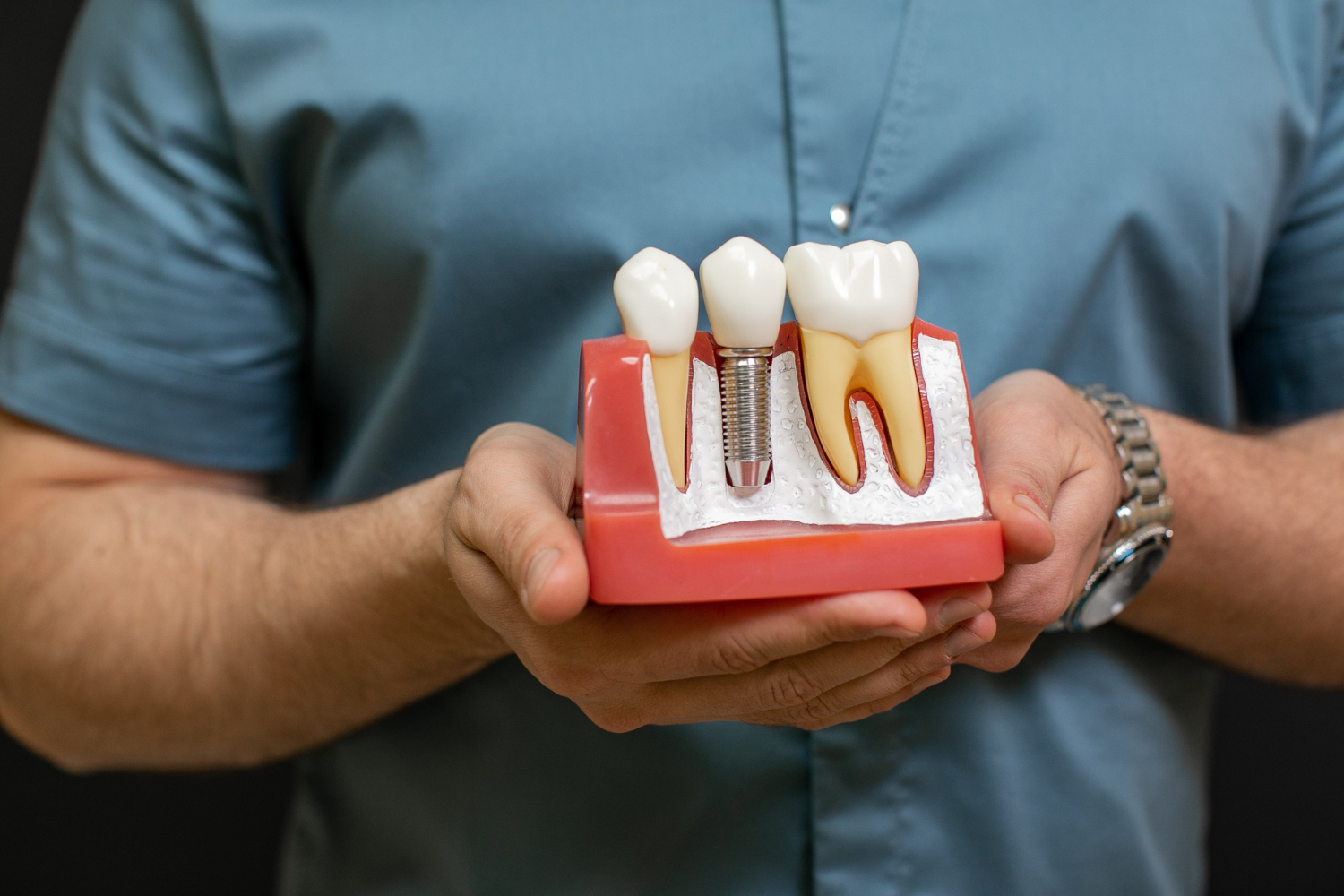
What Is a Dental Implant? Aren't They All the Same?
A dental implant is a titanium or zirconia screw placed into the jawbone to replace the root of a missing tooth. A tooth-shaped crown is later attached to it, restoring the missing tooth to function. We covered the chain-reaction effects of delaying treatment for a missing tooth in a separate article. The basic principle is the same across all brands, but the details differ. These details directly affect the implant's success, longevity, and patient comfort.Real Differences Between Brands
Research and Development Investment
Established implant brands have invested millions of dollars in scientific research spanning decades. Brands like Straumann, Nobel Biocare, and Astra Tech have 40 to 50 years of history. Hundreds of clinical studies, decades of long-term follow-up data, and independent scientific publications back these brands. Newer or lesser-known brands generally don't have this level of comprehensive scientific support. Some entered the market only recently and lack long-term follow-up data. This means you're using a product whose performance five years from now isn't fully known.Surface Treatment Technology
The implant surface directly affects osseointegration (fusion with bone). Quality brands invest heavily in surface treatment technology. Patented surface technologies like SLA, SLActive, and TiUnite enable faster and more solid fusion between implant and bone. The patient benefit of these technologies is shorter healing time and higher success rates. Established brands may offer faster healing and better outcomes. This difference becomes more pronounced in patients who smoke, have diabetes, or have poor bone quality.Titanium Quality and Purity
The titanium used in implant manufacturing must be medical grade. Grade 4 and Grade 5 titanium alloys are standard materials used in quality implants. However, not all brands maintain the same purity level. Lower-quality implants may sometimes use inferior titanium alloys, which can lead to problems like implant fractures and surface corrosion. Established brands control material quality under strict standards and provide transparent information on this topic. Being able to access this information is important when making your choice.Component Connection Fit
An implant isn't just a screw placed in the jawbone. An abutment and crown are attached on top. The fit between these components is critical. If there's even microscopic misfit between parts, bacterial leakage, screw loosening, and gum problems can develop over time. In established brands, component connection tolerances are very low, meaning parts fit together perfectly. In lower-quality brands, this tolerance is wider, which can lead to long-term complications.Global Service and Part Availability
An implant isn't a one-time treatment. Years later, you may need an abutment change, crown replacement, or component repair. This is where the brand's global accessibility comes into play. Parts for established brands like Straumann and Nobel Biocare are available worldwide. Even if you move to another country, you can continue receiving parts support at clinics there. With local or lesser-known brands, parts availability may become an issue years later. The company may have closed, or parts may no longer be manufactured.What Factors Cause the Price Difference?
The price difference between implant brands is based on several concrete factors. Established brands manufacture in countries with high production costs like Europe, America, or Switzerland. R&D investments, quality control processes, decades of clinical research all these costs are reflected in the implant price. Some Korean and Turkish brands can offer quality products, but their production costs and R&D investments may be lower. This allows for more affordable pricing. However, brands in this group show great internal variation. Some are internationally recognized quality brands, others have questionable quality control processes. The lowest-priced implants generally come from China or other developing countries. While some of these products may be of acceptable quality, scientific support, long-term data, and global service networks are typically weak.Which Brand Is Good?
There's no single correct answer. But let's give some examples of established brands that are scientifically supported worldwide and offer long-term data: Straumann (Switzerland): One of the world's largest implant manufacturers. Stands out with over 60 years of experience, extensive scientific research support, and a wide product range. Nobel Biocare (Sweden): One of the founding brands of the modern osseointegration concept. The developer of the All-on-4 concept, this brand has introduced revolutionary products to dentistry. Astra Tech (Sweden, Dentsply Sirona): Known for advanced surface technology and a special conical connection system. Zimvie/Zimmer (USA): A brand with many years of use and a broad product portfolio. Osstem (South Korea): Widely used in Asian and Middle Eastern markets, a relatively affordable brand that offers adequate scientific support. Nucleoss (Turkey): One of Turkey's leading domestic implant manufacturers. Produces to international standards and is actively used throughout Turkey. This list is not restrictive. There are many other brands on the market that offer quality products.So What Does the Dentist Do?
An experienced dentist or implant surgeon selects the most appropriate brand for the patient's situation. This choice depends on several factors. Bone structure matters. In patients with insufficient bone volume or poor quality, brands with advanced surface technology deliver better results. In anterior (front area) aesthetic cases, brands offering zirconia implants or special aesthetic abutments may be preferred. In complex cases requiring long-term projection, brands with global service networks are recommended. The dentist's experience with the brand is also a determining factor. Each brand has its own placement protocol. A dentist typically prefers a brand they've used for a long time and know well over a newly encountered brand. This is why clinic and dentist selection is as important as brand selection.Doredent's Approach to Implants
At Doredent, the brands used in dental implant treatment are determined according to the case's needs. Brands with different profiles, such as Nucleoss (Turkey), NTA Korea, and NTA Switzerland, can be selected based on the patient's budget and clinical requirements. Brand selection is made with the patient's long-term health in mind, not marketing concerns. For detailed information about implant brands and package prices, you can review our dental implant cost calculator page.What Should You Pay Attention to When Deciding?
Discuss the brand issue openly with your dentist. Ask which brand will be used, learn the reason, and evaluate alternatives if any exist. A dentist who doesn't provide transparent information, who just says "we saw fit this way" and moves on, isn't informing you sufficiently. If there's a price difference, ask why. Sometimes the more expensive option truly offers better value. Sometimes the price difference is just clinic markup. You can only make this distinction by getting information. The cheapest implant can end up being the most expensive in the long run. Resolving an implant complication can far exceed the implant price. This calculation includes additional surgeries, possible loss, and re-implantation costs. Therefore, investing a bit more upfront can be a smart decision cost-wise in the long term. Ask about the warranty period. Quality brands have manufacturer warranties. Some brands offer lifetime warranties. The clinic may also offer a separate warranty for its own work. Learning these details protects you against unexpected situations.Zirconia Implants: An Alternative to Titanium?
In recent years, zirconia implants have also begun entering the market. These implants use a ceramic-based material instead of titanium. They can offer an alternative for patients with metal allergies or suspected titanium sensitivity. Zirconia implants have an aesthetic advantage. Unlike titanium implants, a gray metal line doesn't show if the gums recede. This feature is especially valuable in front area implants. They should not be confused with zirconia crowns; zirconia implants and zirconia crowns are two separate treatment items with different functions. However, zirconia implants don't yet offer as much long-term data as titanium. Limited product variety and higher cost are also disadvantages. As of now, titanium implants remain the gold standard. Zirconia implants can be a good alternative for specific indications but shouldn't be presented as the only option.Implant Surface Technologies and Healing Process
The surface structure of implants determines the speed of bone fusion. Quality brands constantly innovate in this area. Patented surface technologies like Purecube, SLActive, and TiUnite can shorten the healing process by weeks. In implants with standard titanium surfaces, osseointegration takes 3 to 6 months. With advanced surface technologies, this period can drop to 6 to 8 weeks. This difference provides a major advantage, especially for patients wanting rapid treatment. However, surface technology isn't just about speed. It's also related to success rate. In challenging cases (low bone quality, smokers, diabetic patients), implants with advanced surface technology show higher success rates. This creates a significant difference in long-term success.Patient Warranty: What Can You Expect?
Most quality implant brands offer a lifetime manufacturer's warranty on their products. This warranty covers problems arising from material or manufacturing defects. The clinic warranty covers the implant placement and superstructure service. There are some things you should know as a patient. The manufacturer's warranty covers situations like implant fracture or material deterioration. The clinic warranty is typically given for 5 to 10 years and covers problems that may arise during normal use. It's important to learn what the warranty conditions cover and what they don't before treatment begins. Situations like smoking, poor oral hygiene, and missing follow-up appointments can invalidate the warranty.Final Word
Brand is one of the most important decisions in dental implant treatment, but it's not sufficient on its own. Quality brand plus experienced surgeon plus correct surgical protocol plus careful patient follow-up is the formula for successful dental implant treatment. When one of these elements is missing, the result can be negative even if the others are of high quality. If you're considering dental implant treatment, evaluate not only price but also brand, dentist experience, and clinic infrastructure when making your decision. Your teeth will serve you for many years; making this investment consciously is one of the best investments you can make in your future health. This content has been prepared for informational purposes. It absolutely does not replace a physician's examination and personal evaluation.Benzer Yazılar
 İmplant
Why Public Hospital Tooth Extraction Can Be the Most Expensive Option
Public hospitals operate a bit differently. I'm not criticizing my colleagues, most are extremely well-trained professionals. But the system is structured so that a dentist needs to see 40-50 patients per day.
 İmplant
What Happens If You Ignore a Cavity? From Filling to Implant
You notice a small dark spot on your tooth in the mirror. No pain, no sensitivity. You tell yourself it's nothing and put it off. Six months later, cold drinks sting. A year later, nighttime pain begins. Two years later, the tooth breaks.
 İmplant
What is a dental implant? Who can get one?
For millions of people experiencing tooth loss, dental implants are the most permanent and natural-looking solution. Today, implants have become one of the most reliable treatment options in dentistry. But what exactly is a dental implant, how is it done, and can everyone benefit from this treatment? In this...
