
What Happens If You Ignore a Cavity? From Filling to Implant
You notice a small dark spot on your tooth in the mirror. No pain, no sensitivity. You tell yourself it's nothing and put it off. Six months later, cold drinks sting. A year later, nighttime pain begins. Two years later, the tooth breaks.

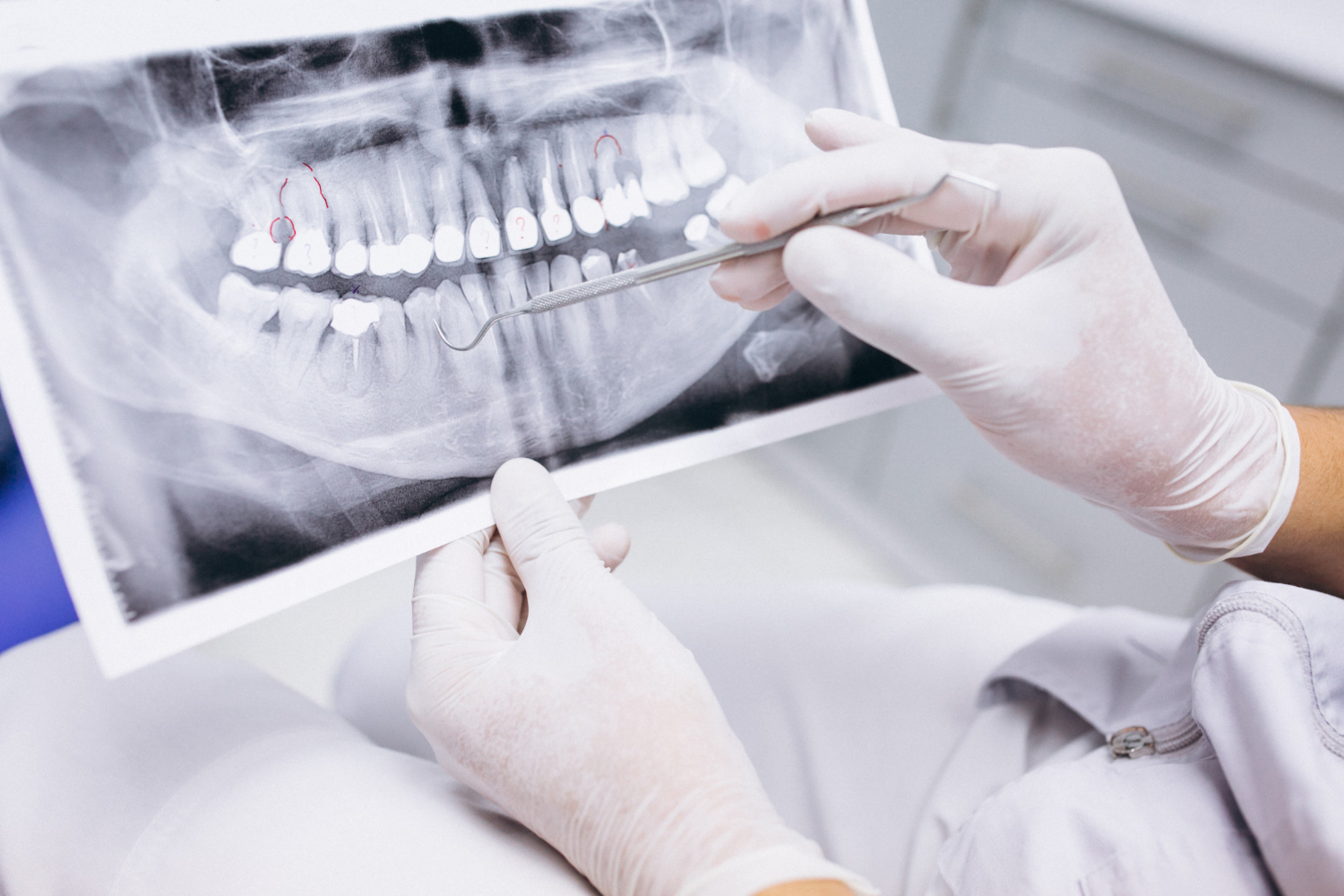
You notice a small dark spot on your tooth in the mirror. No pain, no sensitivity. You tell yourself it's nothing and put it off. Six months later, cold drinks sting. A year later, nighttime pain begins. Two years later, the tooth breaks.
This scenario isn't fiction. We see the same story play out dozens of times every day. A cavity that could have been solved with a simple filling at the start turns into a chain reaction leading to root canal treatment, then extraction, and finally a dental implant when neglected. At each stage, both treatment time and cost multiply.
In this article, we walk through the silent progression of tooth decay stage by stage, explain which treatment kicks in at each point, and most importantly, show you where you can break this chain.
Stage One: Early Decay, Everything's Still Easy
Tooth decay begins when bacteria in the mouth ferment food particles and produce acids that erode tooth enamel. In the first stage, white or light brown spots appear on the enamel surface. At this point, there's no cavity (hole) yet, and most people feel no symptoms.
Symptoms: Usually none. Some people may notice a rough texture on the tooth surface.
Solution: Intervention at this stage is the simplest and most economical. Fluoride treatment can remineralize the enamel surface. If decay hasn't progressed, a small dental filling completely solves the problem. Treatment typically takes one session, about 20 to 30 minutes.
Cost comparison: Treatment cost at this stage is about one-tenth of later stages. Early intervention protects not just your tooth but your budget too.
Stage Two: Dentin Decay, Sensitivity Begins
Once the enamel layer is breached, decay reaches the dentin layer beneath. Because dentin is much softer than enamel, decay spreads rapidly here. A hole that looks small from the outside may have spread over a large area within the dentin.
Symptoms: Sensitivity begins with sweet, cold, or hot foods. The tooth may ache when eating. A visible hole may have formed on the tooth surface.
Solution: At this stage, treatment with a filling is still possible. However, a larger filling is now required. If decay has affected a very large area, ceramic restorations such as inlays or onlays, or a crown (cap), may be considered instead of a filling.
Stage Three: Pulp Infection, The Era of Nighttime Pain
When decay passes through the dentin and reaches the pulp (nerve and blood vessel tissue) inside the tooth, the situation changes dramatically. The pulp becomes infected, inflamed, and severe pain begins. This pain typically intensifies at night, throbs, and sometimes radiates to the face.
Symptoms: Spontaneous pain, throbbing that worsens at night, extreme sensitivity to heat, pain when pressure is applied to the tooth, sometimes facial swelling.
Solution: At this stage, a filling is no longer sufficient. Root canal treatment is required. In root canal treatment, the infected pulp tissue is cleaned out, the root canals are shaped and disinfected, and filled with a biocompatible material. Treatment is usually completed in 1 to 3 sessions.
Teeth that undergo root canal treatment lose their vitality and become more brittle over time. Therefore, placing a zirconia crown or porcelain crown over the tooth after root canal treatment is recommended. The crown protects the tooth from fracture and restores its aesthetic appearance.
Stage Four: Abscess and Tooth Loss, The Point of Difficult Return
If an infected pulp goes untreated, bacteria spread from the root tip to the jawbone and form an abscess. An abscess is an infected pocket within the bone and represents a serious infection. In some cases, the infection spreads to the face, causing fever and general malaise.
Symptoms: Severe and constant pain, gum swelling, facial swelling, fever, pus discharge in the mouth, severe looseness of the tooth.
Solution: In the case of an abscess, the infection is first brought under control with antibiotic support. If the tooth is still salvageable, root canal treatment and apical resection (root-end surgery) can be attempted. However, in many cases, the tooth is beyond saving, and tooth extraction remains the only option.
Extraction ends the problem but starts a new one: the gap. If the gap left by the extracted tooth isn't treated, neighboring teeth drift toward the space, the opposing tooth in the other jaw over-erupts, and the bite becomes misaligned. This process can set the stage for orthodontic problems requiring Invisalign or braces treatment.
Stage Five: Replacing the Missing Tooth, Implant or Bridge
Replacing a lost tooth is essential both functionally and aesthetically. Today, the most ideal solution is dental implant treatment. An implant is an artificial tooth mounted on a titanium screw placed in the jawbone. Neighboring teeth are not touched, it stands on its own root, and provides the closest feeling to a natural tooth.
Alternatively, a bridge prosthesis can be applied. In a bridge, the teeth on either side of the gap are reduced and interconnected crowns are placed over them. However, because this method requires shaving down healthy teeth, implants are the preferred method today when feasible.
The crown placed on an implant is typically zirconia. Zirconia crowns deliver top-tier results in both durability and natural tooth appearance.
Multiple Tooth Loss: All-on-4 and All-on-6
When neglect continues for many years and multiple teeth are lost, more comprehensive solutions may be needed instead of individual implants. All-on-4 implant treatment allows a fixed prosthesis to be mounted by placing just 4 implants in the entire jaw. In cases requiring broader bone support, All-on-6 implant treatment is applied.
These treatments make it possible even for patients who have been without teeth for years or who have used removable dentures to have fixed teeth. However, we must emphasize this: not reaching the point where All-on-4 or All-on-6 treatment is needed is far easier and more economical than treating that small initial cavity on time.
The Treatment Chain: Cost and Time Comparison
Let's summarize how the treatment process becomes more complicated as decay progresses through its stages:
Early decay → Filling: Single session, 20 to 30 minutes. Lowest cost.
Dentin decay → Large filling or crown: 1 to 2 sessions. 2 to 3 times the initial cost.
Pulp infection → Root canal treatment + crown: 2 to 4 sessions, several weeks. 5 to 8 times the initial cost.
Abscess and extraction → Tooth extraction + healing + implant + crown: 3 to 6 month process. 15 to 25 times the initial cost.
Multiple tooth loss → All-on-4/6 treatment: Comprehensive process lasting months. Highest cost.
As you can see, early intervention is always the most sensible choice in terms of time, cost, and comfort.
Catching Decay Early: When Should You See a Dentist?
Even if you have no complaints, having regular dental checkups every 6 months is the most important preventive measure. Early-stage cavities are typically symptomless and can only be detected through clinical examination or X-rays.
Regular pediatric dentistry checkups are especially important for children. Cavities in baby teeth can affect permanent teeth, and early tooth loss can later lead to orthodontic problems such as crowding.
If you notice any of the following symptoms, see your dentist without delay:
- Color change or spots on a tooth
- Sensitivity to cold, heat, or sweets
- Pain when eating or biting
- Spontaneous toothache
- Gum swelling or redness
- Bad taste or odor in the mouth
Our Treatment Approach at Doredent
At Doredent Dental Clinic, preventive dentistry is our top priority. Our goal is to treat every tooth at the earliest possible stage and stop the chain described in this article from progressing.
At our clinic, fillings, root canal treatment, tooth extraction, implants, zirconia crowns, porcelain crowns, laminate veneers, All-on-4, and All-on-6 implant treatments are performed by specialist dentists.
For orthodontic problems, our Invisalign Diamond Provider orthodontist Uzm. Dt. Merve Özkan Akagündüz offers Invisalign clear aligner treatment with complimentary iTero digital scanning and 3D treatment simulation.
Frequently Asked Questions
Does a cavity heal on its own?
No. Once tooth decay starts, it does not heal by itself. Very early-stage enamel remineralization can be achieved with fluoride application, but once a cavity forms, treatment is mandatory. The longer you wait, the bigger the problem becomes.
Is root canal treatment painful?
Modern root canal treatment is performed under local anesthesia, and no pain is felt during the procedure. In fact, the severe pain caused by pulp infection ends after root canal treatment. There may be mild sensitivity for a few days after the procedure.
Can an implant be placed immediately after extraction?
In some cases, an implant can be placed in the same session as tooth extraction (immediate implant). However, if infection is present or the bone is insufficient, the healing process must be awaited first. Implant treatment planning is done individually based on each patient's condition.
Should cavities in children also be treated?
Absolutely yes. Cavities in baby teeth should not be neglected with the attitude that "they'll fall out anyway." Infected baby teeth can damage the permanent tooth buds beneath them. Additionally, early baby tooth loss narrows the space needed for permanent teeth alignment and can cause problems such as crowding. Early diagnosis and treatment are ensured through regular pediatric dentistry checkups.
Should I choose an implant or a bridge?
Implants are considered the gold standard today because they don't touch neighboring teeth, stand on their own root, and prevent jawbone resorption. With a bridge prosthesis, the healthy teeth on either side must be shaved down. If bone structure and general health allow, an implant should always be the preferred choice.
Conclusion: Tooth decay may seem small, but it's a problem that grows, becomes more complicated, and multiplies in cost the longer it's neglected. On the path from filling to implant, the smartest step is the first one: getting regular checkups and solving small problems while they're still small. Take a step today to protect your teeth.
Benzer Yazılar
 İmplant
Why Public Hospital Tooth Extraction Can Be the Most Expensive Option
Public hospitals operate a bit differently. I'm not criticizing my colleagues, most are extremely well-trained professionals. But the system is structured so that a dentist needs to see 40-50 patients per day.
 İmplant
What is a dental implant? Who can get one?
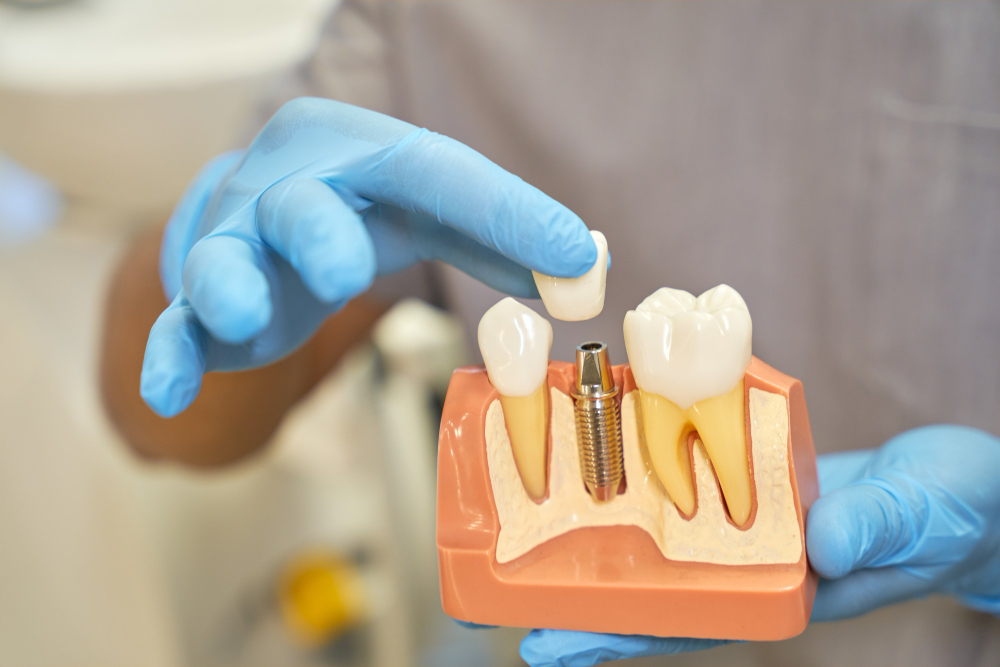
For millions of people experiencing tooth loss, dental implants are the most permanent and natural-looking solution. Today, implants have become one of the most reliable treatment options in dentistry. But what exactly is a dental implant, how is it done, and can everyone benefit from this treatment? In this...
 İmplant
The Cost of Delaying Treatment for a Missing Tooth
You've lost a tooth. It's in the back, so no one can see it. You chew on the other side. "I'll get it fixed later," you tell yourself. A year passes, then two. Then you realize it's no longer just one missing tooth: the neighboring teeth have shifted, the opposing tooth has drifted, your bite is off, and now a single implant won't be enough.
