
Why Public Hospital Tooth Extraction Can Be the Most Expensive Option
Public hospitals operate a bit differently. I'm not criticizing my colleagues, most are extremely well-trained professionals. But the system is structured so that a dentist needs to see 40-50 patients per day.

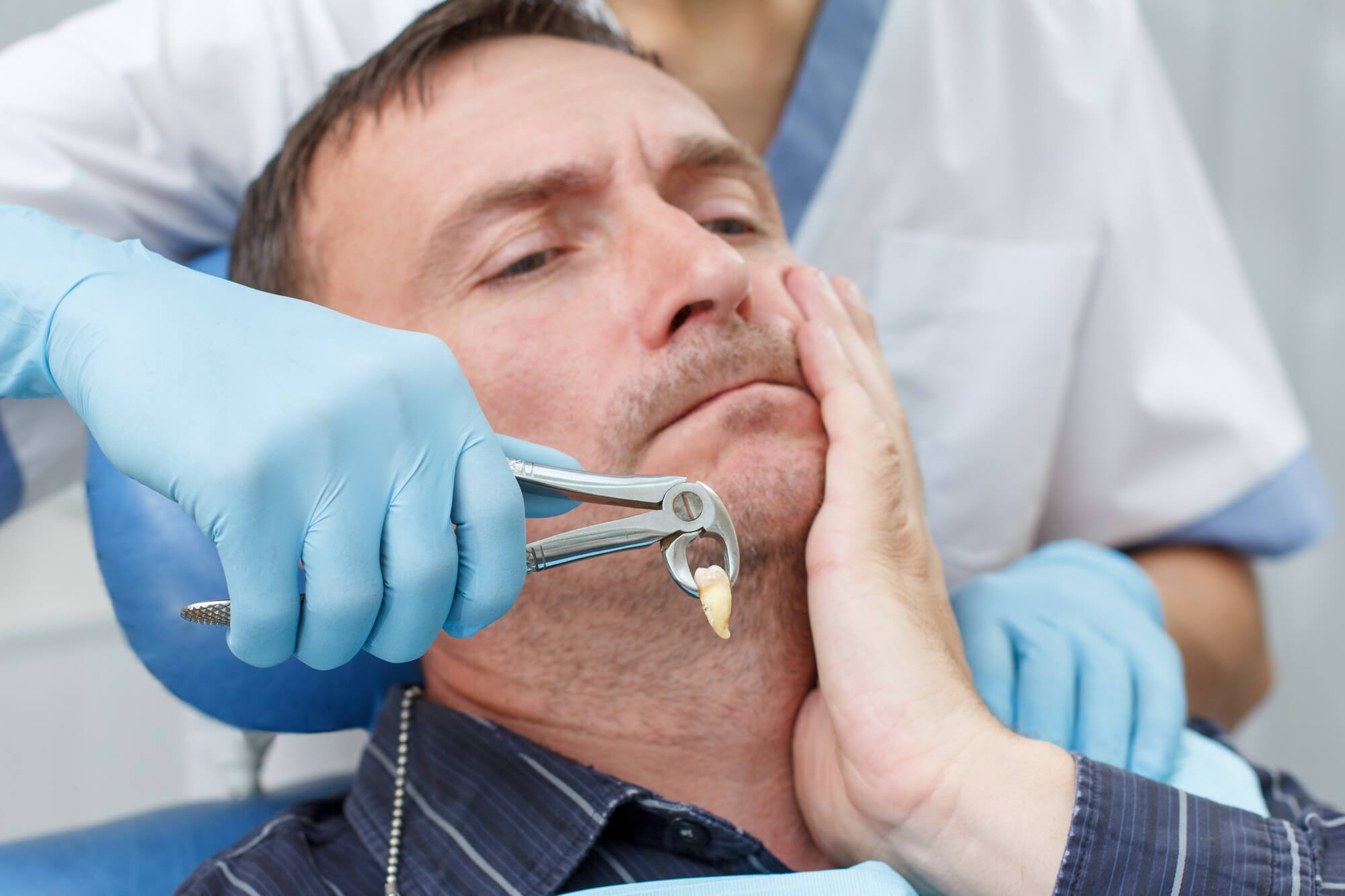
A gentleman came in for an exam last week, 52 years old. Single missing tooth in his lower right jaw, neighboring teeth tilted into the gap, upper opposing tooth starting to drift down. His story: seven years ago he had that tooth extracted at a public hospital. "It was free, I didn't pay anything," he says. Now we're looking at implant treatment, orthodontic correction of neighboring teeth, and a crown on the upper tooth. The bill for that tooth "extracted for free" seven years ago is now several times what the original treatment would have cost.
This story is extremely common. One of the phrases I hear most often in this country is "I'll have it extracted at the public hospital, at least it's free." Sounds logical. But there are several things not factored into that calculation. Only the extraction fee is free. Everything else comes back as a bill over the years.
Extraction Isn't Treatment, It's a Loss
First, let's clarify this. Tooth extraction doesn't count as treatment. It's a stage of accepting a loss. As clinicians, we usually view extraction as a last resort. Because nothing fully replaces a natural tooth. Implants, bridges, dentures, they're all artificial solutions. Not even the closest one is truly the same as the natural tooth.
Things operate a bit differently in public hospitals. I'm not criticizing my fellow dentists, most are extremely well-trained professionals. But the system is structured so that one dentist needs to see 40-50 patients per day. Average time allocated per patient is 5-10 minutes. In that timeframe, fitting in advanced diagnostics, alternative treatment planning, and patient education is physically impossible. The most direct route often becomes the default choice. Tooth hurts, decay is advanced, let's extract it.
But did that tooth truly need extraction? That's the question no one fully answers. Very often a tooth that could be saved with root canal treatment gets extracted because there are too many patients waiting. In some cases, root canal treatment may be attempted and fail, making extraction necessary, that's true. But in some situations, it's never even tried, the fastest route is chosen.
The Hidden Costs of "Free"
Let's say the extraction happened. Free. Let's start with where the first bill doesn't come from. After tooth extraction, a gap forms in the bone. The bone in that area, without a tooth on top of it, gradually begins to resorb over time. This is called alveolar bone resorption. Within six months, bone width decreases by an average of 25%, within a year it can reach 40-50%. So without you noticing, that region of your jaw is collapsing inward.
What's the result? When you want to place an implant in that gap later, the bone is insufficient. Bone grafting is required first. Bone graft, sinus lifting, waiting periods, additional surgeries. Treatment that could have been completed in a single stage if an implant had been placed immediately after extraction now stretches into five or six stages. Details of these stages are on the dental implant treatment page.
The Story of Neighboring Teeth
The second bill comes from neighboring teeth. When you extract a tooth and leave the space empty, surrounding teeth start moving toward the gap. Side teeth tilt, opposing teeth in the other jaw drift down (or up if it's a lower tooth). These movements happen over years, not months. The patient usually doesn't notice because the movement is so gradual. But five years later when we examine the mouth, the picture has changed.
What's the result? Because of a single tooth extraction, several teeth in the mouth have shifted position, the bite is disrupted, chewing force is distributed to wrong points. I covered this topic in more detail on the missing tooth page, but here's the summary: when one tooth stays missing, you're not just losing that one tooth, you're affecting the entire balance of the mouth.
At this point orthodontic intervention may be needed. Braces treatment or short-term clear aligner treatment may be necessary to bring tilted teeth back to upright position. These are costs not included in the original "free extraction" plan.
Opposing Tooth and Chewing System
The third bill comes from above. Let's say a lower molar was extracted. The upper opposing molar drifts downward over years because there's no tooth making contact with it. This is called passive eruption. As that tooth drifts down, its root becomes exposed, sensitivity begins, eventually that upper tooth also starts causing problems. Sometimes you lose that tooth too. The chain starting from one tooth escalates to two, three.
The chewing system has its own unique balance. Each tooth is like a brick. When you pull one out and don't replace it, the wall slowly begins to crack. The load on the jaw joint changes. In some patients, jaw pain that emerges years later, when traced to its cause, stems from that single tooth loss years earlier.
The "I'll Wait, I'll Get It Done Later" Trap
Patients often think this way: let me get the tooth extracted, then when I have money I'll get my implant done. Seems logical. But three things are operating simultaneously here.
First is bone resorption. I explained above, the longer you wait, the more bone you lose.
Second is neighboring teeth shifting. The space closes.
Third is economic logic. Implants seem expensive initially, yes. But this treatment is a solution that lasts 15-20 years, with proper care even longer. When you calculate it per year, the bill shrinks. But there's also this: during the time you wait, additional treatments accumulate. When you wait five years, the treatment plan isn't just "implant," it becomes "bone graft plus sinus lifting plus implant plus restoration of neighboring teeth plus orthodontic intervention."
In other words, treatment cost that was 10 units at time of extraction can climb to 40-50 units after five years of waiting. Free extraction becomes the most expensive option.
Extraction First or Consultation First?
When a tooth hurts or a dentist says "this needs extraction," getting a second opinion instead of immediately accepting is extremely valuable. Even if the consultation has a fee, considering the bill that will emerge years later, it's an extremely inexpensive step. In some cases the tooth can be saved with root canal treatment, in others with dental filling, in some with curettage or periodontal treatment.
Of course you might say, "Is it possible to save every tooth?" No, it's not. In some cases the tooth is truly hopeless. For teeth with third-degree mobility, cracked roots, very advanced decay, extraction is the right decision. But when making that decision, the dentist shouldn't be rushed, and should have time to explain alternatives to the patient. In Dt. Buse Esen's exams, she frequently uses the approach "there are three different paths for this tooth, let's decide together which one we'll choose." Rushing to say "let's just extract it" isn't in our vocabulary.
No Extraction Without Planning What Comes Next
If a tooth truly needs extraction, what will be done afterward should be planned before the extraction. How will the gap be filled after extraction? Implant, bridge, or removable denture? Within what timeframe? What will be done in the interim? Answers to these questions should be ready before the extraction, not in the extraction chair.
In some cases an implant can be placed immediately. Meaning the tooth is extracted, the implant is placed in the same session. This method both prevents bone resorption and shortens the timeline. Of course it's not suitable for every case, it depends on bone condition, whether there's infection, the patient's general health. But when planning is done correctly, it can be a very advantageous option.
Another option is socket preservation after extraction. There's a procedure called socket preservation. Bone graft is placed in the gap after extraction to prevent bone resorption. The patient can still get the implant in a later period but the bone is preserved. This is also a smart move that prevents large expenses years later with a small additional procedure.
This Isn't About Blaming Public Hospitals
Don't misunderstand, I'm not blaming public hospital dentists. I know how difficult it is to work in that system. Many of my colleagues serve there. The issue isn't the people, the issue is the structure of the system. When a dentist has 50 patients per day, allocating necessary time to each patient becomes physically impossible.
In emergency situations, when pain is severe, when there's no other choice, public hospitals can be a perfectly good option. In fact mandatory in some cases. But thinking "all dental work can be done at public hospitals, it's the most logical because it's free" becomes the most expensive path in the long term.
The real issue is making an informed decision. Before a tooth is extracted, what alternatives exist, what will happen after extraction, what are the next steps? To get answers to these questions, you need sufficient time, the dentist needs sufficient time. Unfortunately this time doesn't come free.
The Decision Is Yours, But Make It Knowingly
My reason for writing this isn't to direct anyone. Which clinic you choose, how you plan your budget is your decision. But when making that decision, I recommend considering not just today's cost but the likely picture five or ten years from now. On the dental treatment prices page you can get information about approximate fees for each treatment, so you can make comparisons in your head.
The 52-year-old gentleman I mentioned at the beginning, in his own words, "I didn't pay 50 lira seven years ago, now the total cost of treatment that needs to be done is frightening." We hear this sentence often. To avoid hearing it, what needs to be done is actually very simple: for every tooth, a calm consultation before extraction. No matter how urgent, being able to say "let me take painkillers for two days, get a second opinion, then decide" instead of the sentence "let's extract it right now."
Most decisions about your teeth produce much longer-term consequences than you think. Many paths that seem free come back as a bill to be paid ten years later. Effort spent preserving a natural tooth is always easier and cheaper than effort spent adding an artificial tooth later.
This content has been prepared for informational purposes. It absolutely does not replace physician examination and personal evaluation.
Benzer Yazılar
 İmplant
What Happens If You Ignore a Cavity? From Filling to Implant
You notice a small dark spot on your tooth in the mirror. No pain, no sensitivity. You tell yourself it's nothing and put it off. Six months later, cold drinks sting. A year later, nighttime pain begins. Two years later, the tooth breaks.
 İmplant
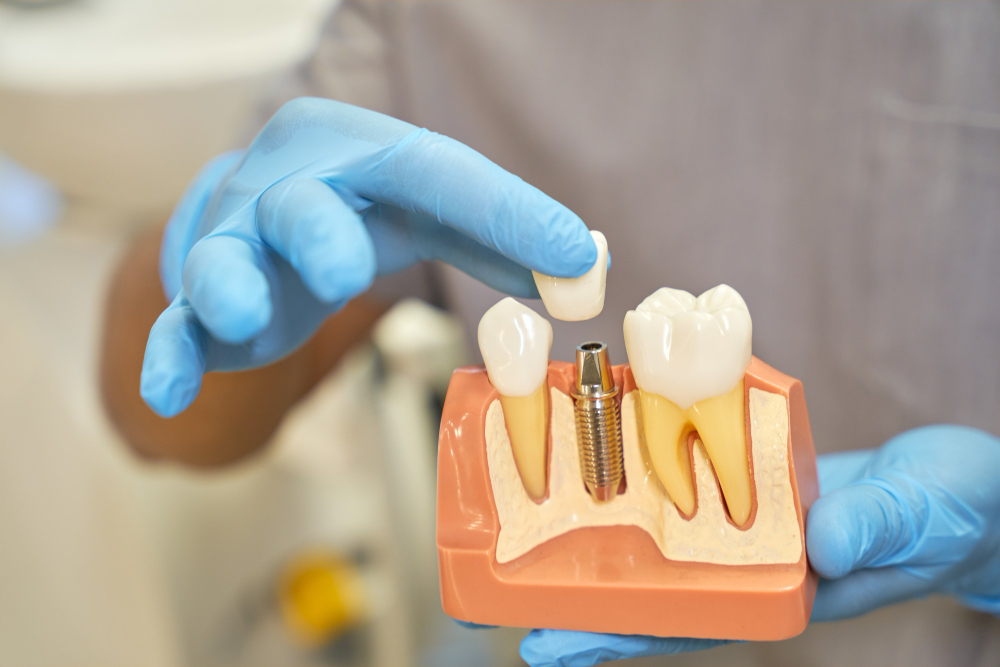
What is a dental implant? Who can get one?
For millions of people experiencing tooth loss, dental implants are the most permanent and natural-looking solution. Today, implants have become one of the most reliable treatment options in dentistry. But what exactly is a dental implant, how is it done, and can everyone benefit from this treatment? In this...
 İmplant
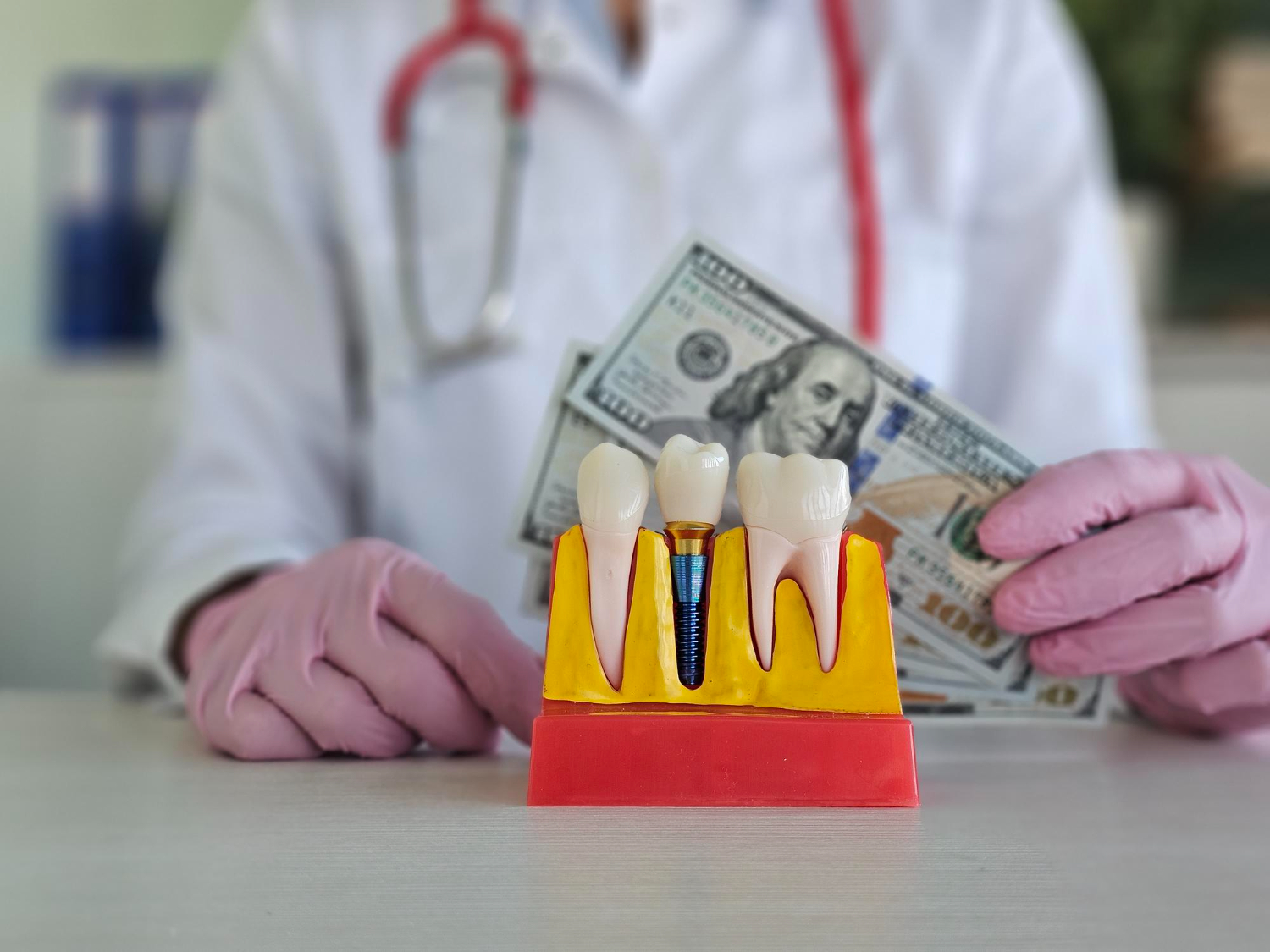
The Cost of Delaying Treatment for a Missing Tooth
You've lost a tooth. It's in the back, so no one can see it. You chew on the other side. "I'll get it fixed later," you tell yourself. A year passes, then two. Then you realize it's no longer just one missing tooth: the neighboring teeth have shifted, the opposing tooth has drifted, your bite is off, and now a single implant won't be enough.
