
The Cost of Delaying Treatment for a Missing Tooth
You've lost a tooth. It's in the back, so no one can see it. You chew on the other side. "I'll get it fixed later," you tell yourself. A year passes, then two. Then you realize it's no longer just one missing tooth: the neighboring teeth have shifted, the opposing tooth has drifted, your bite is off, and now a single implant won't be enough.

You've lost a tooth. It's in the back, so no one can see it. You chew on the other side. "I'll get it fixed later," you tell yourself. A year passes, then two. Then you realize it's no longer just one missing tooth: the neighboring teeth have shifted, the opposing tooth has drifted, your bite is off, and now a single implant won't be enough.
Does this story sound familiar? It's the story of the vast majority of patients who come to the clinic late. Losing a tooth is a difficult situation, but the real damage doesn't come from the loss itself, it comes from leaving that gap untreated.
What Happens to the Gap? The Domino Effect of Teeth
Every tooth in your mouth exists in balance with its neighboring teeth and the teeth in the opposing jaw. This balance is maintained by the mutual contact forces the teeth exert on each other. When a tooth is lost, this balance is broken and a chain reaction begins.
Shifting of neighboring teeth is the first change to occur. The teeth on either side of the gap begin to tilt toward the empty space. This tilting can begin within a few months and becomes pronounced over the years. As teeth tilt, new gaps open between them, food impaction increases, and the risk of decay in these areas rises.
Overeruption (super-eruption) of the opposing tooth refers to the tooth in the opposite jaw drifting downward (or upward, in the lower jaw) into the empty space. Normally, teeth stay in place by contacting their opposing teeth. When that contact point is lost, the tooth drifts into the gap. Over time, this drift can become so pronounced that the tooth ends up far above (or below) the normal plane of occlusion, making treatment much more difficult.
Changes in bite alignment are the inevitable result. When teeth shift and drift, the harmony between the upper and lower teeth is disrupted. This can lead to one-sided chewing habits, jaw joint problems, and even headaches.
Bone Loss: Invisible but Permanent Damage
After a tooth is extracted, the jawbone surrounding that tooth gradually resorbs. This is called alveolar bone resorption. As long as the tooth root provides mechanical stimulation to the bone, bone density is maintained. When the tooth is lost, this stimulation disappears and the bone begins to shrink in both height and width.
The rate of bone loss is highest in the first year. Up to 25% of bone width can be lost in the first six months. In the first year, vertical height also decreases significantly. This process continues at a slower rate over the years.
The most important consequence of bone loss is that it makes future implant placement more difficult. Dental implant treatment requires adequate bone volume. If bone height or width is insufficient, a bone graft must be applied before the implant. This additional procedure significantly increases both treatment time and cost.
If an implant is planned immediately after tooth loss or within the first few months, the existing bone is usually sufficient and no additional graft is needed. But if you wait two to three years, bone loss has progressed and a graft becomes unavoidable. Early intervention is key here, too.
Another consequence of bone loss is aesthetic loss. As bone resorbs, the gum tissue on top of it recedes. A "sunken" appearance develops in the area of the gap. This collapse creates a particularly noticeable aesthetic problem in the front region. In advanced cases, even if an implant is placed, bone and soft tissue grafts are needed to correct this collapse. Treatment becomes both longer and more complex. Yet if intervention had occurred in the early period, none of these additional procedures might have been necessary.
Impaired Chewing Function
When a tooth is missing, the chewing reflex automatically changes. You avoid chewing on the side with the missing tooth and shift the load to the other side. This is a change that goes unnoticed in the short term but has serious consequences in the long term.
One-sided chewing causes excessive wear on the teeth on the loaded side. Normally, chewing forces are distributed across all teeth, but when the side with the missing tooth is taken out of service, the teeth on the opposite side carry twice the load. This can lead to crack formation, broken fillings, and even fractured teeth.
The jaw joint (temporomandibular joint) is also affected by one-sided chewing. The jaw joint is designed to work symmetrically during chewing. Asymmetric loading can cause problems in the articular disc and surrounding muscles. Symptoms such as jaw pain, clicking or popping sounds when opening and closing the mouth, and jaw stiffness in the morning may appear.
Aesthetic Loss and Facial Changes
A tooth lost in the front region makes aesthetic loss immediately visible. But teeth lost in the back also have aesthetic consequences over time.
Back teeth are part of the structures that support the lower third of the face. When many back teeth are lost, lower facial height decreases. The lips collapse inward, the jawline becomes more pronounced, and the face takes on a "sunken" appearance. This makes a person look much older than their actual age.
With the loss of a single tooth, this effect may be minimal, but when multiple teeth are lost or when the teeth next to the existing gap also experience loss, the effect becomes pronounced.
Psychological Impact
A missing tooth, especially in areas visible when smiling, causes serious loss of confidence. Behaviors such as avoiding smiling, covering the mouth while speaking, and withdrawing from social settings are commonly associated with missing teeth.
Even with missing teeth in the back, there is a psychological impact. The need to choose what foods to eat, discomfort during social meals, and the awareness of the gap while speaking all reduce quality of life.
Research shows that completing missing teeth significantly increases patients' quality of life and self-confidence.
Treatment Options: What Changes When You Wait Too Long?
There are three basic options for replacing a missing tooth: an implant, a bridge, and a removable denture. However, the timing of treatment directly affects the feasibility of these options.
When an implant is planned in the early period (first three to six months), adequate bone is usually present. The problem is solved with a single implant and a crown placed on top. Treatment time is relatively short and cost is under control.
In the late period (two years and beyond), the picture becomes more complex. A graft may be needed due to bone loss, orthodontic treatment may be required first to bring the shifted neighboring teeth back to their original position, and the drifted opposing tooth may need to be shortened or crowned. What would initially have required only an implant for a single missing tooth can, as a result of delay, require multiple treatments such as grafting, orthodontics, implant placement, and crowning.
The situation is somewhat different with bridge treatment. A bridge is a prosthesis made by cutting down the teeth on either side of the missing tooth. If a bridge is made in the early period, the neighboring teeth are still in proper position and the bridge can be fitted harmoniously. In the late period, shifted teeth make bridge fabrication more difficult or require prior correction of these teeth's positions.
Cost Comparison: Early or Late?
Quantifying the financial cost of delaying treatment can help clarify your decision.
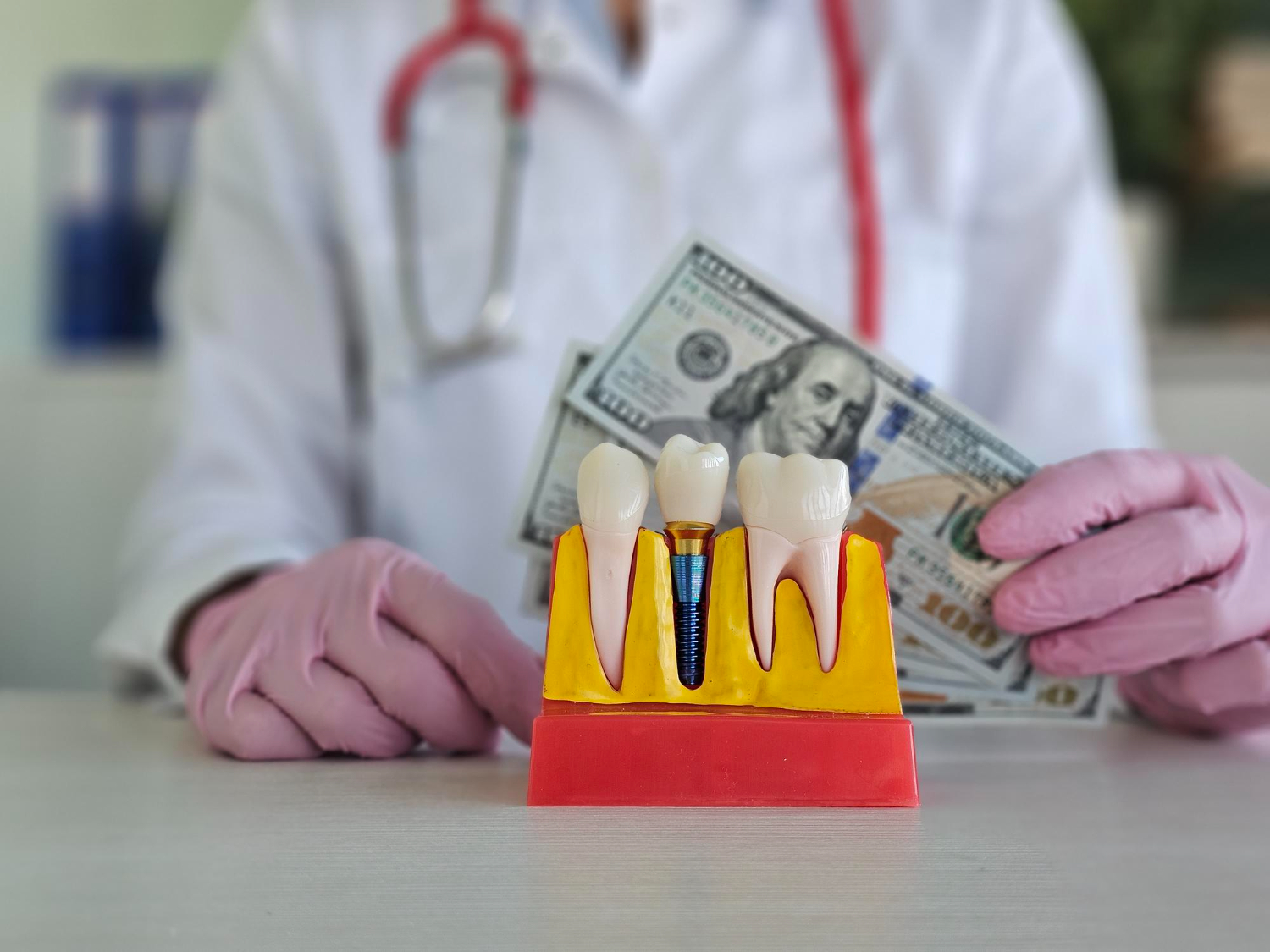
In the early period, getting a single implant and crown has a certain cost. This cost may seem high at first, but it's a one-time investment. A well-maintained implant can be used without problems for decades.
In the late period, the cost multiplies. Bone grafting is a separate cost. Orthodontic correction is a separate cost. Treatment of the opposing tooth is a separate cost. The total can reach two to three times the cost of a simple early-period implant. Moreover, treatment time can stretch from months to a year.
This calculation is not purely financial. The time spent during treatment, the discomfort experienced, multiple surgical procedures, and long recovery periods must also be taken into account.
A Single Missing Tooth Is Not "Just One Tooth"
Perhaps this is the most important message of this article. A single missing tooth is not "just one tooth." That tooth is part of the balance in your mouth. When one piece is missing, the entire system begins to deteriorate over time.
Just as ignoring tooth decay opens a road stretching from a filling to an implant, ignoring a missing tooth leads to a treatment chain far more complex and costly than a single implant.
Removable Denture: Temporary Solution or Permanent Alternative?
Some patients opt for a removable denture (partial denture) to avoid the cost of an implant or bridge. A removable denture is a removable appliance that replaces missing teeth. It can be used in a wide range of situations, from a single missing tooth to complete edentulism.
A removable denture provides an aesthetic and functional solution. But its disadvantages are also significant: it does not prevent bone loss (because it does not provide mechanical stimulation to the bone), chewing efficiency is lower than with natural teeth or implants, the structure extending to the palate or tongue side can affect speech and taste sensation, and fit decreases over time.
A removable denture is valuable when an implant cannot be placed or as a temporary solution. But when a long-term, permanent solution is sought, an implant is usually the superior choice.
Prevention: How Do You Prevent Tooth Loss?
The best treatment is not needing treatment. Preventing tooth loss is largely possible with regular dental checkups and proper oral hygiene.
Checkups every six months allow cavities to be detected at an early stage. A filling treatment done in the early period prevents that tooth's journey from progressing to root canal treatment, extraction, and implant.
Early treatment of gum disease also prevents tooth loss. Regular dental scaling and proper brushing technique preserve the bone structure supporting the teeth.
A protective night guard (bruxism splint) protects teeth from fracture and wear in patients with clenching and grinding habits. This simple appliance is an effective tool that prevents the loss of many teeth.
To prevent traumatic tooth loss, a sports mouthguard is recommended for those who play contact sports. Especially in children and adolescents, front tooth fractures are one of the most common consequences of sports.
Final Word
If you have a missing tooth and are delaying treatment, this article was not written to scare you, but to show you the reality. Every month of delay makes treatment a bit more complex and a bit more costly. But you can stop this process today.
The first step is to schedule an examination appointment. After your current bone condition, the position of neighboring teeth, and treatment options are evaluated, you can create the most appropriate plan together. The earlier you start, the simpler, shorter, and more economical the treatment will be. Losing a tooth may be irreversible, but stopping the chain of damage that loss creates in your mouth is possible with a single step you take today.
Benzer Yazılar
 İmplant
Why Public Hospital Tooth Extraction Can Be the Most Expensive Option
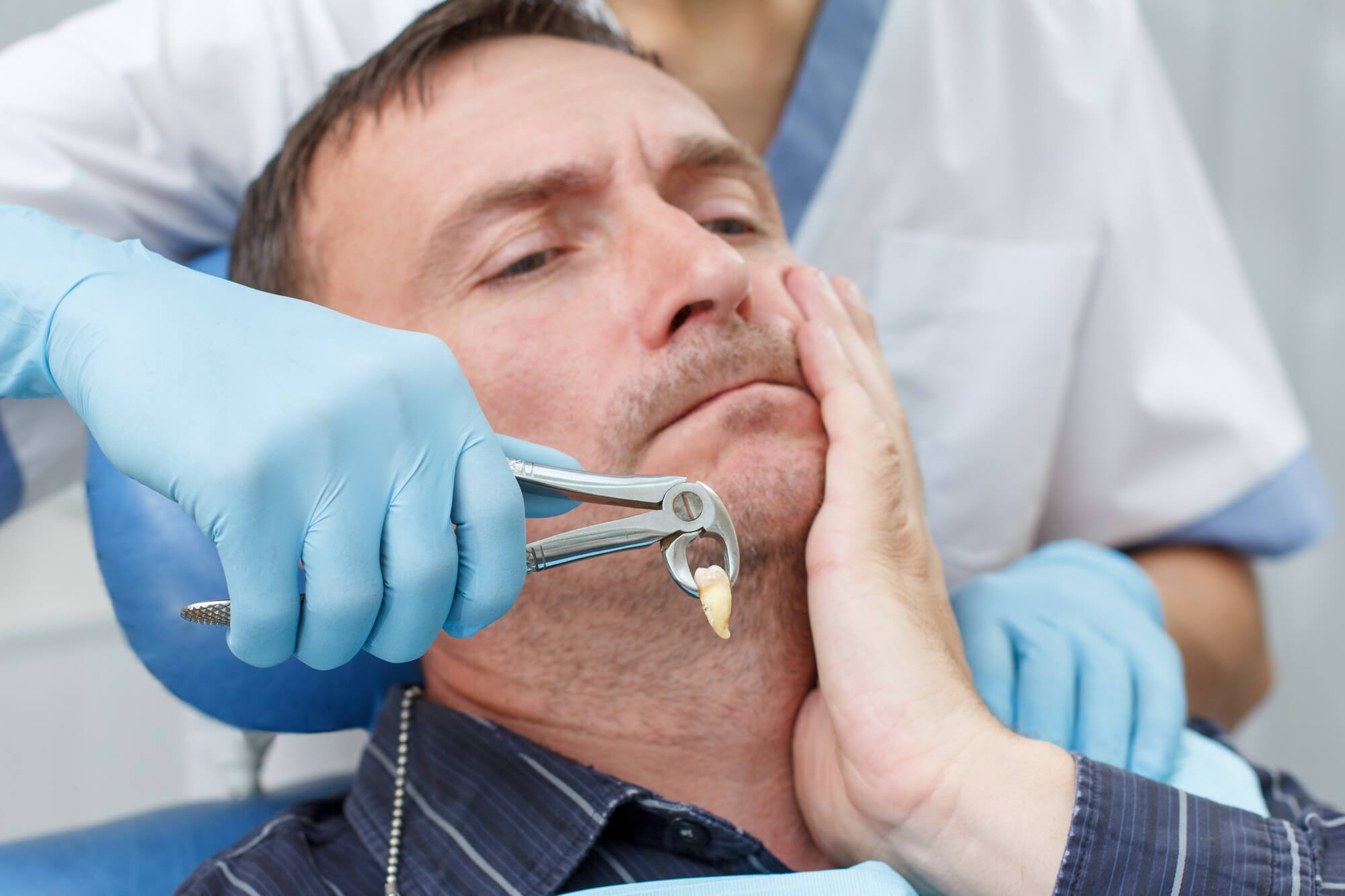
Public hospitals operate a bit differently. I'm not criticizing my colleagues, most are extremely well-trained professionals. But the system is structured so that a dentist needs to see 40-50 patients per day.
 İmplant
What Happens If You Ignore a Cavity? From Filling to Implant
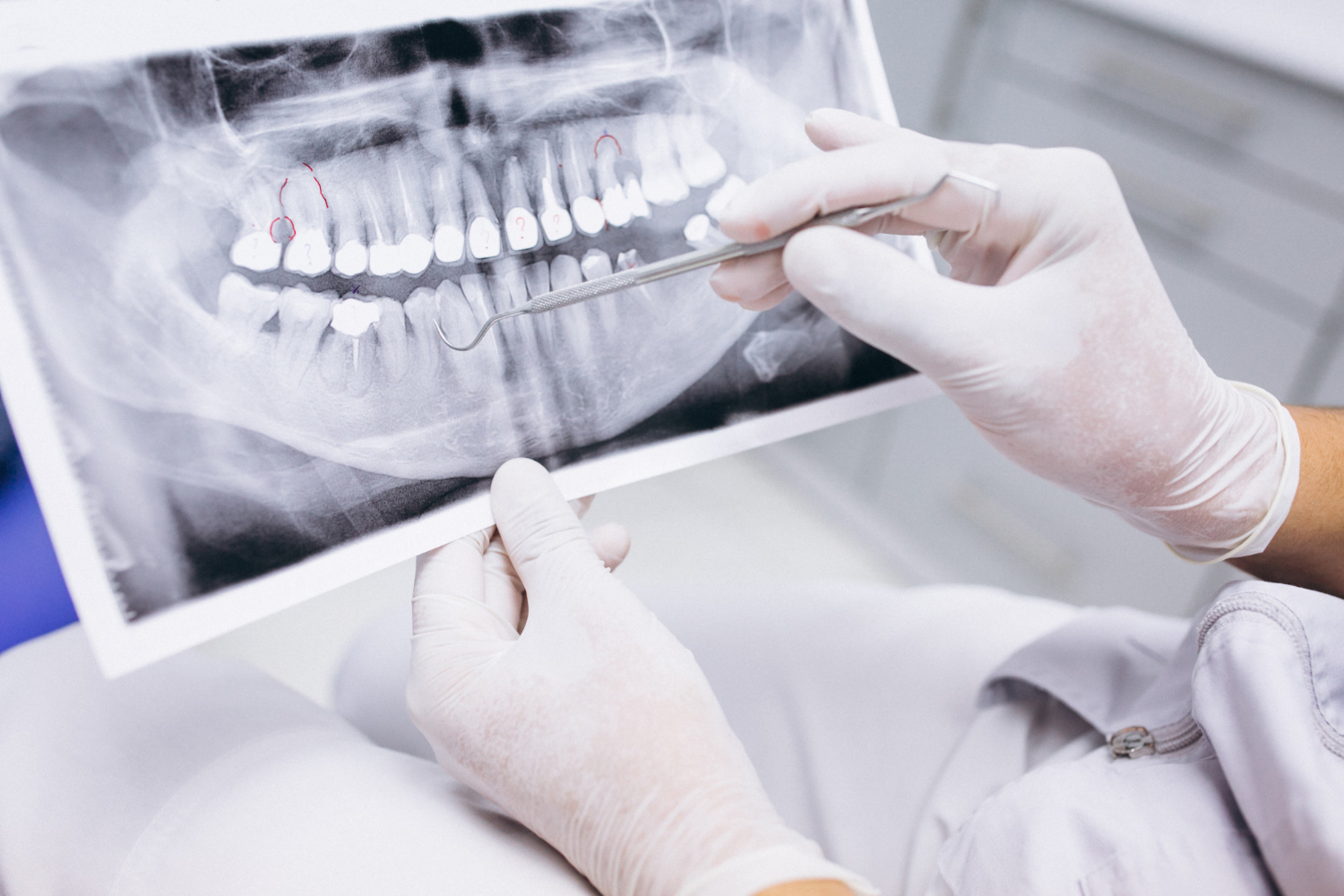
You notice a small dark spot on your tooth in the mirror. No pain, no sensitivity. You tell yourself it's nothing and put it off. Six months later, cold drinks sting. A year later, nighttime pain begins. Two years later, the tooth breaks.
 İmplant
What is a dental implant? Who can get one?
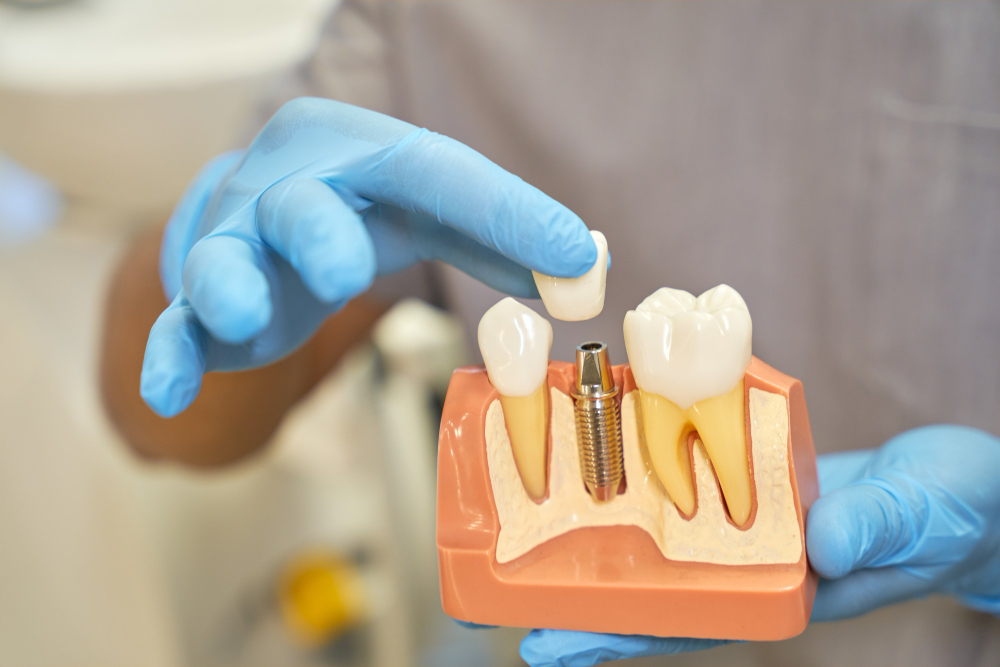
For millions of people experiencing tooth loss, dental implants are the most permanent and natural-looking solution. Today, implants have become one of the most reliable treatment options in dentistry. But what exactly is a dental implant, how is it done, and can everyone benefit from this treatment? In this...
