
Why some people have naturally white teeth while others have yellow teeth
Good morning! Welcome to the first edition of Doredent Sunday Breakfast. Grab your coffee or tea, today we're diving into a fascinating topic.

Good morning! Welcome to the first edition of Doredent Sunday Breakfast. Grab your coffee or tea, today we're diving into a fascinating topic.
You've surely noticed it: some people have perfectly white teeth without ever whitening them, while others seem stuck with a yellowish tone no matter how much they brush. Even siblings in the same family can have different tooth colors. So what causes this apparent unfairness?
The Answer Lies in the Enamel Layer
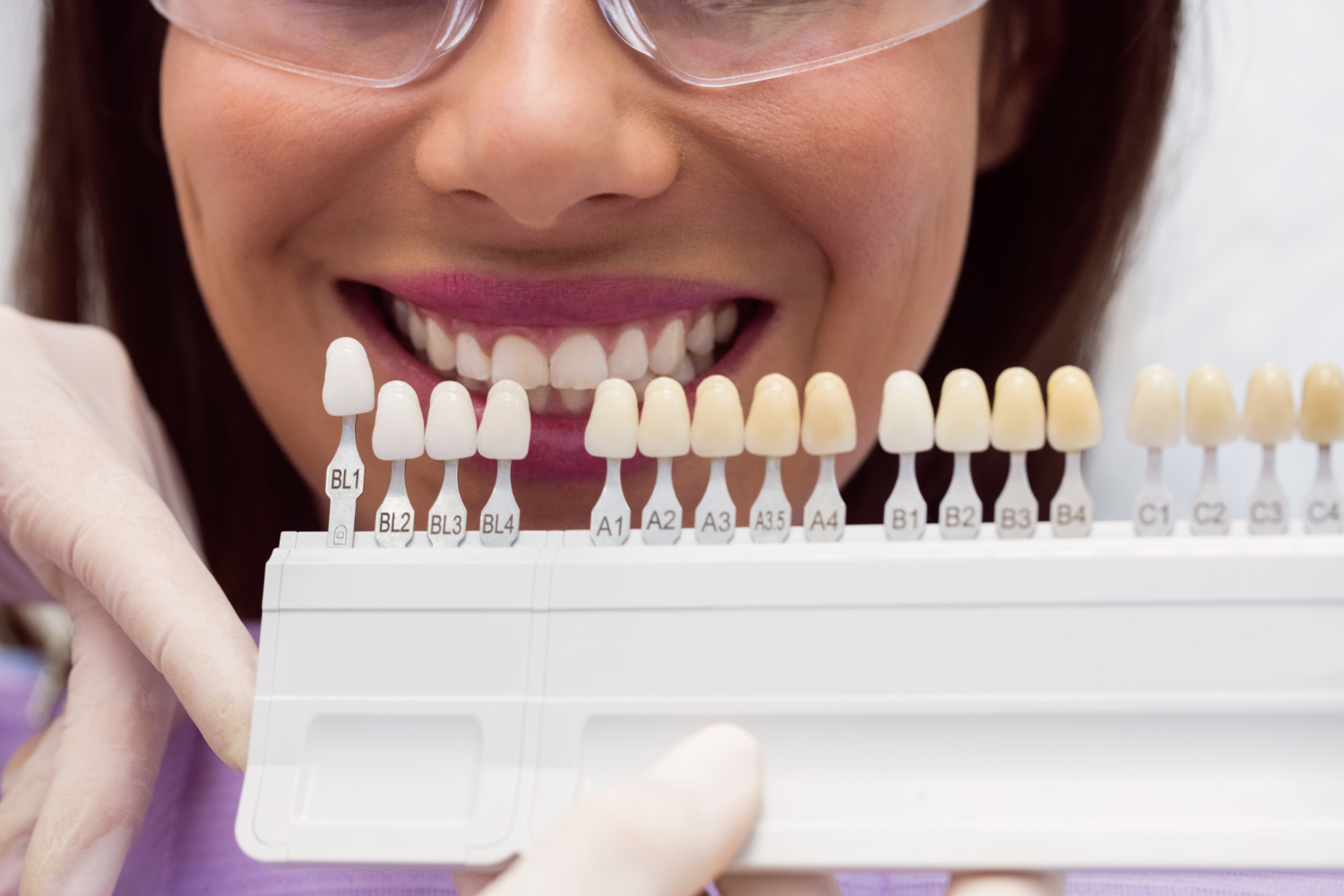
Think of your tooth as a two-story building. The outer layer you see is the enamel. Enamel is the hardest tissue in the body and has a semi-translucent white structure. The layer underneath is the dentin. Dentin is naturally yellowish in color.
Here's the secret: the thickness and translucency of the enamel layer varies from person to person. If you have thick and opaque (matte) enamel, the yellow dentin underneath doesn't show through and your teeth appear white. If you have thin and translucent enamel, the dentin color shows through and your teeth look yellowish.
This thickness difference is largely genetic. Yes, your tooth color is inherited from your parents just like your eye color. If you're thinking "I brush so much but my teeth won't get white," the culprit is probably not your brushing habits but your genetic makeup.
The Age Factor: Everyone Yellows Over Time
Teeth that appear whiter in youth yellowing with age is explained by the same mechanism. Over the years, the enamel layer gradually thins from chewing, brushing, and acidic foods. At the same time, the dentin layer thickens and darkens. When these two effects combine, teeth begin to look progressively more yellow.
This process applies to everyone. Your teeth at 20 won't be the same color as your teeth at 50, no matter how well you care for them. But good care slows this process down. Poor care accelerates it.
Tea, Coffee, and Cigarettes: External Stainers
Genetics and age are color determinants that come from the tooth's internal structure. But there are also external stainers.
Tea tops this list. Yes, it stains even more than coffee. The tannins in tea create a sticky film layer on the enamel surface and trap color pigments. Given the intensity of Turkish tea consumption, it's not surprising that tooth discoloration complaints are so common in Turkey.
Coffee has a similar effect but stains slightly less than tea. Red wine, pomegranate juice, cherry juice, soy sauce, and balsamic vinegar are also strong stainers.
Cigarettes cause both external and internal staining. The yellow-brown stains created by nicotine stick to the enamel surface. With long-term use, these stains penetrate into the enamel and become impossible to remove with simple cleaning. If you'd like more detailed information about the relationship between smoking and dental health, you can check out our article on the topic.
Fluoride: Friend or Foe?
Fluoride is known to be beneficial for dental health. It prevents demineralization in enamel and provides protection against decay. But as with everything, the "dose" is what matters here.
Excessive fluoride exposure during childhood (such as high-fluoride water sources, swallowing large amounts of fluoride toothpaste) can cause white or brown spots on teeth. This condition is called dental fluorosis. In mild fluorosis, small white spots appear on teeth. In advanced fluorosis, brown spots and pits can form on the enamel surface.
Fluorosis doesn't occur after teeth have formed. It only develops as a result of excessive fluoride intake during the tooth development period (generally between ages 0 and 8). Using fluoride toothpaste as an adult does not cause fluorosis.
Medications and Tooth Color
Tetracycline group antibiotics, when used during the tooth development period, can cause permanent discoloration of teeth. These stains appear as gray, yellow, or brown bands and have penetrated the tooth's internal structure.
Today, these antibiotics are not given to children under 8 or pregnant women. But this restriction wasn't widespread in the 1970s and 1980s. That's why tetracycline stains are seen in many adults who spent their childhood during that period.
Tetracycline stains can be partially lightened with teeth whitening but are very difficult to remove completely. For such deep stains, aesthetic solutions like zirconia crowns or laminate veneers can be considered.
So What Can You Do?
You can't change your genetics, but you can protect your tooth color with a few simple habits.
Rinse your mouth with water after drinking colored beverages. Don't brush immediately, because enamel temporarily softens after acidic drinks and brushing can increase wear. Wait 20 to 30 minutes, then brush.
Using a straw reduces contact between colored drinks and your teeth. It's a practical method especially for iced coffee and fruit juices.
Getting a professional dental cleaning every six months removes most external stains. After cleaning, your teeth may appear 1 to 2 shades lighter, even without whitening.
And most importantly: stop comparing your tooth color to others. Natural tooth color doesn't mean you're unhealthy. A slightly yellowish tone can be an indicator of a healthy, thick dentin layer. What matters is that your teeth are healthy, not that they're as white as in advertisements.
We'll be back here next week. Have a lovely Sunday!
