Masseter Botox
Botulinum toxin injection reduces excessive masseter muscle activity in teeth grinding and jaw muscle hypertrophy. Muscle relaxation protects your teeth, jaw joint, and dental restorations.
Medically reviewed. Last updated: May 13, 2026.What Is Masseter Botox?
Masseter botox is a treatment method in which botulinum toxin (botox) is injected into the masseter muscle — the largest chewing muscle — to reduce its overactivity. It is used for both functional and aesthetic purposes. Botox temporarily reduces the muscle's contraction strength, causing it to thin over time and generate less force. The effect begins within 3-7 days and lasts 6-12 months. When the effect wears off, the treatment can be repeated if needed.
Masseter botox is most commonly used to treat bruxism. In patients with severe teeth grinding, a night guard alone may not be sufficient. Botox reduces the muscle's strength, lowering the pressure caused by grinding. Patients experience significant relief from morning jaw stiffness, headaches, jaw pain, and tooth sensitivity. It is also considered as an additional treatment option for TMJ disorders and jaw joint clicking.
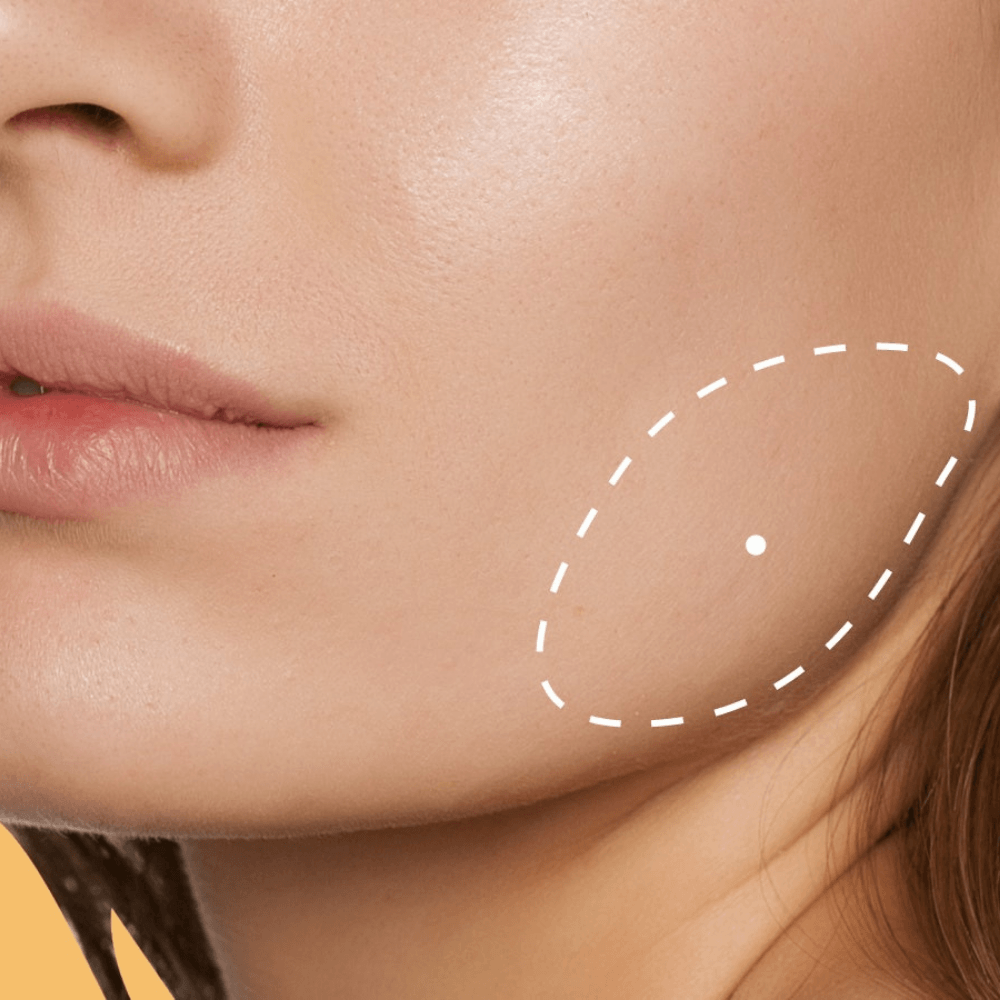
Aesthetic application is also common. The masseter muscle can become overdeveloped due to genetics or long-term bruxism, giving the lower face a square appearance. Botox gradually thins the muscle, creating a more oval and balanced facial contour. The procedure can be performed on both male and female patients. Results are felt within the first few weeks, and visible thinning of the muscle may take 2-3 months.
Before the procedure, an examination is performed, the muscle volume is assessed by palpation, and injection points are marked. The application takes 10-15 minutes, is done with fine-tipped needles, and typically does not require anesthesia. Patients can return to normal activities immediately after treatment. For the first 24 hours, it is recommended to avoid firm massage of the injection area and strenuous exercise. Serious side effects are rare. When the treatment effect wears off, it can be repeated every 6-12 months. With regular application, muscle thinning begins to become more permanent. In cases of severe joint-related symptoms, a TMJ splint may be used in combination. For cost information, you can visit our masseter botox cost calculator page.
Treatment Process
Alternative Treatments
Risks and Complications
Masseter botox is a clinically well-understood procedure that has been applied in dentistry and aesthetic medicine for many years. When performed with proper patient selection, correct dosage, and proper injection technique, it is safe. However, like any medical procedure, there are certain risks and possible side effects that should be known. At Doredent, openly sharing all risks so our patients can make informed decisions is a fundamental principle. Below you can find a transparent overview of the risks that may be encountered with masseter botox application. The vast majority of these risks are temporary and mild.Factors That Increase Risk
- Blood-thinning medication use: Aspirin, warfarin, and similar medications increase the risk of bruising at the injection site. Medication use is reviewed before the procedure.
- Pregnancy and breastfeeding: Masseter botox is not administered during pregnancy or breastfeeding.
- Neuromuscular diseases: Botox is not administered in patients with neuromuscular diseases such as myasthenia gravis or Lambert-Eaton syndrome.
- Known allergy to botulinum toxin: If an allergic reaction to botulinum toxin has occurred previously, the procedure is not performed.
- Active infection: If there is an active infection or skin condition at the injection site, the procedure is postponed.
- Unrealistic expectations: Masseter botox does not completely eliminate teeth grinding; it reduces muscle strength. Managing expectations realistically is important for satisfaction.
How Are These Risks Managed at Doredent?
- Detailed clinical evaluation: Before the procedure, the masseter muscle volume, bruxism findings, jaw joint condition, and overall health are evaluated by Uzm. Dt. Merve Özkan Akagündüz.
- Original preparation: At Doredent, Allergan Botox (onabotulinumtoxinA) is used for masseter botox applications. Original and approved preparation is critical for safety.
- Proper injection technique: Anatomical knowledge and identification of correct injection points minimize the risk of spread to adjacent muscles.
- Personalized dosage planning: The same dose is not administered to every patient; dosage is determined based on muscle volume, bruxism severity, and patient needs.
- Patient education: Before the procedure, expected effects, possible side effects, and post-procedure instructions are clearly explained.
- Regular follow-up: After the procedure, efficacy and possible side effects are monitored; dosage adjustments are made in subsequent sessions.
Who Is This Treatment For?
Masseter botox is not automatically applied to every patient who clenches their teeth. It is planned after clinical evaluation for patients in whom masseter muscle hyperactivity requires treatment. Below you can find the patient profiles for whom masseter botox is most commonly applied.- If the night guard wears down quickly, muscle force is very high.
- Visible wear, cracks, and fractures on teeth.
- Severe jaw fatigue and pain upon waking in the morning.
- Masseter botox can be used together with a night guard.
- Visible muscle mass in the lower face.
- Square facial appearance due to muscle enlargement.
- Both functional and aesthetic concerns.
- Muscle volume gradually decreases with botox.
- Reduces the muscle-related component of jaw joint pain.
- Can be used together with a TMJ splint.
- Not sufficient alone for every TMJ problem.
- May require multidisciplinary evaluation.
- Targets the bruxism component of tension-type headaches.
- Bruxism relationship should be confirmed after neurological evaluation.
- Can be planned together with a night guard and stress management.
- Not suitable for all types of headaches.
- Reduces the risk of crown fracture and cracking.
- Reduces debonding risk in veneers.
- Provides double-layered protection with a night guard.
- Protects your treatment investment long-term.
- Muscle-related width in the lower face creates aesthetic concern.
- As muscle volume decreases with botox, the facial contour becomes slimmer.
- Effect appears gradually (2-4 weeks).
- Effect is temporary; repeat sessions are needed to maintain results.
Who Is This Treatment Not Suitable For?
- Pregnant and breastfeeding women: Masseter botox is not applied during pregnancy and breastfeeding.
- Patients with neuromuscular diseases: Botox is contraindicated in myasthenia gravis, Lambert-Eaton syndrome, and similar neuromuscular conditions.
- Those allergic to botulinum toxin: Patients who have previously had an allergic reaction to botulinum toxin.
- Those with active infection in the injection area: Application is postponed until the infection resolves.
- Patients under 18 years old: Masseter botox is typically applied in adult patients.
- Mild bruxism cases: In mild teeth clenching, a night guard is usually sufficient; masseter botox may be unnecessary.
After the Procedure
Masseter botox requires no special recovery period; patients can return to their daily activities immediately. However, following certain guidelines is important to ensure the treatment works effectively and to minimize potential risks.First 24 Hours
- Daily activities: You can return to work and social activities immediately after the procedure. No rest period or time off is necessary.
- Do not touch the injection site: Avoid touching, rubbing, or massaging the injection area for the first 4-6 hours. This prevents the botox from spreading to unintended areas.
- Do not lie down: Avoid lying down for the first 4 hours after treatment. Staying upright helps keep the botox in the injection site.
- Avoid heat exposure: Stay away from saunas, steam rooms, hot showers, and intense physical activity for the first 24 hours. Heat and exercise increase blood circulation, which can cause the botox to spread to unintended areas.
- Alcohol consumption: Avoid drinking alcohol for the first 24 hours, as it increases the risk of bruising.
First Week
- When the effect begins: Botox does not work immediately. Muscle relaxation typically becomes noticeable within 3-7 days. The full effect appears in 2-4 weeks.
- Temporary chewing changes: You may experience mild difficulty chewing hard foods during the first 1-2 weeks. This is normal and resolves as your muscles adapt.
- Mild tenderness: You may feel slight tenderness or tightness in the injection area for a few days.
- Bruising: If bruising occurs, it typically fades within 3-5 days.
First Month: Full Effect
- Muscle relaxation: The full effect of botox appears within 2-4 weeks. Jaw clenching force decreases significantly, and morning jaw fatigue and pain begin to improve.
- Aesthetic effect: In patients with masseter hypertrophy, muscle volume gradually decreases. Facial slimming becomes noticeable within 4-6 weeks.
- Follow-up appointment: Uzm. Dt. Merve Özkan Akagündüz recommends a follow-up visit 2-4 weeks after treatment. She evaluates the adequacy of the effect, any asymmetry, and patient satisfaction. An additional dose can be administered if needed.
Long-Term Follow-up and Repeat Sessions
- Duration of effect: Masseter botox typically lasts 4-6 months. As the effect wears off, the muscle regains strength and jaw clenching force may return.
- Repeat sessions: If symptoms continue, repeat sessions are scheduled every 4-6 months. Patients followed by Uzm. Dt. Merve Özkan Akagündüz are evaluated at regular intervals.
- Gradual improvement: After the first few sessions, some patients notice longer intervals between treatments. As the muscle gradually weakens (atrophies), bruxism force decreases and the need for repeat sessions may become less frequent. This is a positive long-term effect of masseter botox.
- Combined use with night guard: Masseter botox does not replace a night guard or TMJ splint; using them together provides the best results in most cases. Botox reduces muscle force while the night guard directly protects your teeth.
- Avoiding unnecessary repetition: Repeat treatment is not performed while the botox is still effective. Muscle condition is reassessed before each session; unnecessary applications are avoided.
Expected Improvements After Treatment
- Reduced jaw clenching force: The excessive force produced by the masseter muscle decreases significantly. Pressure on your teeth, restorations, and jaw joint is reduced.
- Less morning jaw fatigue and pain: Most patients experience significant reduction in jaw muscle tension and pain upon waking.
- Fewer headaches: Tension-type headaches related to bruxism may improve.
- Facial slimming (in hypertrophy cases): Patients with masseter hypertrophy experience gradual slimming in the lower face and a more oval appearance.
- Extended night guard lifespan: When muscle force decreases, your night guard wears down more slowly and lasts longer.
- Protection of restorations: The risk of fracture to zirconia, laminate, and porcelain crowns is reduced.
Important Note for Patients
Frequently Asked Questions
What is masseter botox and how does it work?
Is masseter botox painful?
How long does the effect of masseter botox last?
Can masseter botox replace a night guard?
Will masseter botox change my face shape?
How often is masseter botox repeated?
Treatment Pricing
Masseter Botox Pricing
At Doredent, we offer transparent pricing for our international patients. As every case is different, the final treatment cost depends on your individual evaluation.
The cost of Masseter Botox varies based on factors such as the number of units applied and the session frequency. For an accurate quote, a personalized assessment is recommended.
For pricing details, reach out via WhatsApp or book your initial consultation.
Our Dentists
Meet our specialist team.



Content Information
This page was prepared by the Dore Medical Editorial Board and medically reviewed by Dr. Merve Özkan Akagündüz.