
Why Did My Teeth Shift After Orthodontic Treatment?
You wore braces for years. You didn't miss appointments, wore your elastics faithfully, and finally achieved that beautiful straight smile. A few years pass and you notice in the mirror: your lower front teeth are starting to overlap again, gaps have opened between your upper teeth that weren't there before, or your bite has somehow shifted back.

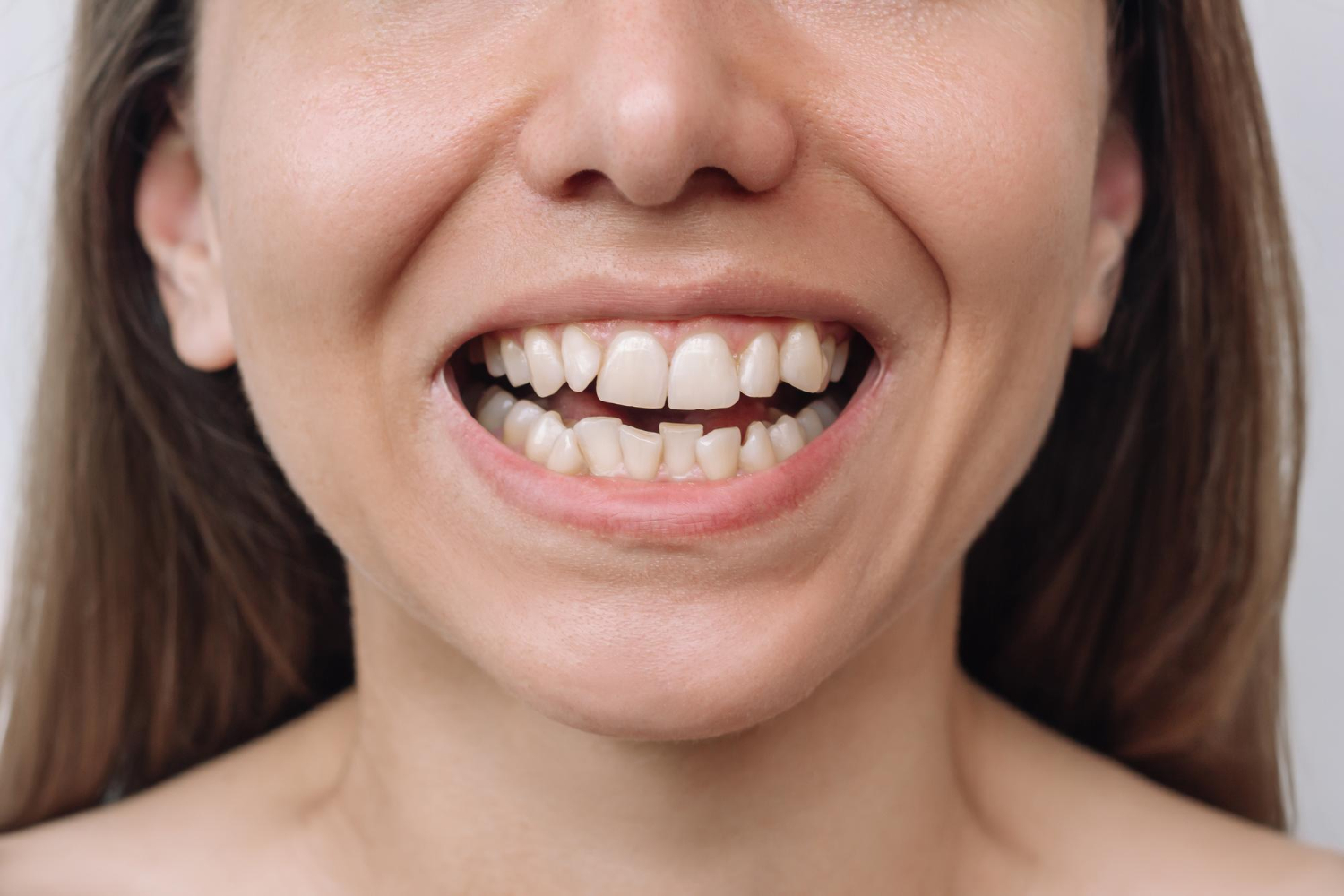
You wore braces for years. You didn't miss appointments, wore your elastics faithfully, and finally achieved that beautiful straight smile. A few years pass and you notice in the mirror: your lower front teeth are starting to overlap again, gaps have opened between your upper teeth that weren't there before, or your bite has somehow shifted back.
You're not alone. Orthodontic relapse (teeth shifting back after treatment) is far more common than many realize. Research shows that the vast majority of patients who stop wearing their retainers experience some degree of tooth movement within 5 to 10 years after treatment.
The good news: even if your teeth have shifted back, there is a solution, and in most cases it takes far less time than your original treatment. In this article, we discuss why relapse happens, what warning signs to watch for, and your treatment options.
What Is Orthodontic Relapse?
Orthodontic relapse is the tendency of teeth that were previously straightened with braces or clear aligners (Invisalign) to gradually shift back toward their original positions. This movement can begin within weeks or be noticed years later. It can present as anything from mild rotation to significant crowding, gaps opening between teeth, or bite problems returning.
Why Do Teeth Shift Back? 6 Main Causes
1. Not Wearing Retainers
This is the number one cause of relapse. After orthodontic treatment, teeth have not yet "settled" in their new positions. The surrounding bone, gum fibers, and periodontal ligaments remember their old configuration and try to pull teeth back. Retainers counteract this pulling force. When they're not worn, teeth (especially in the first 1 to 2 years) can shift rapidly.
Should retainer wear be lifelong? Many orthodontists now recommend exactly that. At minimum, a fixed retainer wire (thin wire bonded behind the teeth) should remain in place permanently, and a removable night retainer should be worn as long as possible.
2. Pressure from Wisdom Teeth
When wisdom teeth erupt late, they can exert pressure on the teeth in front of them if there isn't enough room in the jaw. This pressure is particularly common in the lower front teeth, causing crowding. Even if orthodontic treatment was completed years earlier, the eruption of wisdom teeth can cause the front teeth to overlap again.
For this reason, your orthodontist evaluates the position of your wisdom teeth during treatment and may recommend extraction if needed.
3. Teeth Grinding and Clenching (Bruxism)
Grinding or clenching your teeth at night or during stressful moments applies constant abnormal forces to your teeth. These forces can move teeth out of position, wear them down, and alter your bite. In severe bruxism cases, significant tooth wear occurs and restoration with zirconia crowns may be necessary.
4. Gum Disease and Bone Loss
As gum disease (periodontitis) progresses, the jawbone that holds teeth in place begins to deteriorate. Teeth that lose bone support start to move, rotate, or tip forward. This leads to both relapse and the development of new gaps between teeth.
Maintaining periodontal health is critical for the long-term stability of orthodontic results. Regular dental cleanings and good oral hygiene are just as important as wearing your retainer.
5. Natural Tooth Movement with Age
Even in people who have never had orthodontic treatment, there is a natural tendency for teeth to shift slightly forward and for lower front teeth to crowd as we age. This is called "late lower incisor crowding." It's a normal process, and in people who have had orthodontic treatment, the same tendency occurs if retainers aren't worn.
6. Tongue and Lip Habits
Tongue thrust, lip sucking, or mouth breathing habits create constant pressure on the teeth. These pressures especially increase relapse risk in patients who have been treated for open bite. If habits are not controlled during treatment, teeth can shift back open after treatment is complete.
Signs of Relapse: What to Watch For
Relapse usually progresses slowly and subtly. If you notice any of the following signs, we recommend seeing an orthodontist:
- Slight rotation or shifting in teeth that were previously straight
- Lower front teeth beginning to overlap
- Gaps opening between teeth that weren't there before
- A feeling that your bite doesn't fit together the way it used to
- Your old retainer no longer fits or feels tight
- Irregularity in your smile that wasn't there before
Even one of these signs warrants early intervention. Small shifts can be corrected with just a few aligners, while more advanced movement requires longer treatment and higher cost.
Relapse Treatment: How Are Teeth Re-Straightened?
If your teeth have shifted back, the most effective and comfortable solution is Invisalign clear aligner treatment. Relapse cases are one of Invisalign's most successful applications because they typically involve mild to moderate corrections.
Why Invisalign Instead of Braces Again?
Patients who have already been through braces once usually don't want metal brackets again. Invisalign offers major advantages here: it's clear, removable, comfortable, and in relapse cases typically produces results in 3 to 8 months. Your treatment is invisible to others.
How Does the Treatment Process Work?
At Doredent, relapse treatment follows these steps:
Initial appointment, free digital scan: Our orthodontist, Uzm. Dt. Merve Özkan Akagündüz, creates a 3D model of your mouth using the iTero digital scanner. Your current situation and target result are displayed side by side. At this stage, your treatment duration and number of aligners are determined.
Treatment process: Custom-made clear aligners are changed every 1 to 2 weeks. For mild relapse, 7 to 14 aligners may be sufficient. For more noticeable shifts, 20 to 30 aligners may be needed.
After treatment, permanent retention this time: When treatment is complete, a fixed retainer wire plus a removable night retainer is placed. This time, the importance of retainer wear is explained in detail and a regular follow-up schedule ensures your results last.
Additional Problems That Can Develop During Relapse
Teeth shifting back is not just a cosmetic problem. Other issues can develop during the relapse process:
Increased cavity risk: Crowded teeth create areas that brushes and floss can't reach. Plaque accumulates in these areas and cavities develop. In advanced cases, root canal treatment may be necessary.
Accelerated tooth wear: When your bite is off, some teeth carry more load than others and wear abnormally. This wear can eventually lead to damage requiring restoration with porcelain or zirconia crowns.
Jaw joint problems: An irregular bite can cause pain, locking, and headaches in the temporomandibular joint (TMJ).
Risk of tooth loss: When advanced crowding and periodontal disease occur together, teeth can begin to loosen. Lost teeth must be replaced with dental implant treatment.
5 Golden Rules to Prevent Relapse
Never stop wearing your retainer. If your fixed retainer wire falls off or breaks, contact your orthodontist immediately. Wear your removable retainer at least every night. Retainer wear is not an ending, it's a continuation of treatment.
Keep up with regular checkups. Have an orthodontic checkup at least once a year and a general dental checkup every 6 months. Small shifts are very easy to correct when detected early.
Maintain your gum health. Prevent gum disease with regular brushing, flossing, and professional dental cleanings. Healthy bone is the most important factor in keeping teeth in place.
Monitor your wisdom teeth. After orthodontic treatment, monitor the development of your wisdom teeth regularly with X-rays. If they pose a risk of causing problems, timely extraction can prevent teeth from shifting.
Control bruxism. If you grind or clench your teeth at night, ask your dentist for a night guard. Bruxism both shifts and wears down teeth.
The Importance of Early Intervention in Children
The most effective way to prevent relapse completely is early and correct treatment. Early detection of orthodontic problems during pediatric dentistry checkups and timely intervention reduces both treatment duration and relapse risk later.
In children ages 6 to 10, early intervention can be performed with Invisalign First. Proper guidance of jaw development allows problems like crossbite, deep bite, and underbite to be resolved before the permanent teeth come in.
Relapse Treatment at Doredent
At Doredent Dental Clinic, orthodontic relapse treatment is provided by our Invisalign Diamond Provider orthodontist, Uzm. Dt. Merve Özkan Akagündüz. Your current situation is precisely analyzed with iTero digital scanning, and your treatment outcome is shown in 3D before you even begin.
The initial digital scan and evaluation is completely free. Even if your teeth have shifted back, the solution is easier and shorter than you think.
Frequently Asked Questions
How quickly can my teeth shift back?
If retainers are not worn, teeth can begin to shift immediately after treatment. The first 6 months are the most critical period. However, shifting can also progress slowly over years. Some patients don't notice until 5 to 10 years later.
I lost my retainer, what should I do?
Contact your orthodontist as soon as possible. Every day that passes increases the risk of teeth shifting. At Doredent, a new retainer can be made the same day, or your current situation can be evaluated with an iTero scan.
Only one tooth shifted, do I need treatment?
Yes. Even one tooth shifting can affect your bite and eventually cause other teeth to move as well. With early intervention, sometimes just 7 to 10 aligners are enough. The longer you wait, the longer treatment takes.
Will relapse treatment take as long as my first treatment?
No. Relapse cases generally take much less time than the original treatment. For mild shifts, 3 to 6 months, for more noticeable problems, 6 to 12 months is usually sufficient. A case that took 18 to 24 months the first time can often be completed in 4 to 8 months for relapse correction.
Do I need to get braces again?
No. Invisalign is the ideal choice for relapse correction. It's clear, removable, and comfortable. There's no need to get metal brackets and wires again. Your social and professional life won't be affected at all.
Will my teeth shift again after relapse treatment?
At Doredent, a permanent retention protocol is applied after relapse treatment: fixed retainer wire plus removable night retainer. When retainers are worn regularly and checkups are not skipped, teeth stay in place. The lesson learned the first time is the greatest motivation for making the second treatment permanent.
Conclusion: Teeth shifting after treatment is disappointing, but it's not unsolvable. Understanding the underlying cause of relapse, choosing the right treatment, and following retention rules this time brings lasting results. If your teeth have shifted back, don't delay. Early intervention means short, comfortable, and effective correction.
