


Root Canal Treatment
A procedure in which the infected pulp tissue of a tooth is removed and the root canals are cleaned and filled due to decay or trauma. One of the most important ways to save a tooth without extraction.
A Chance to Save Your Tooth Without Extraction with Root Canal Treatment
Root canal treatment is a procedure applied when infection, inflammation, or advanced damage occurs in the inner part of the tooth where the nerve and blood vessel tissue is located. The goal is to clean the problematic tissue, keep the tooth in the mouth, reduce pain, and preserve function. Thanks to a properly completed root canal treatment, many teeth can continue to be used without extraction.
The affected tooth is thoroughly examined and X-rays are taken to assess the root structure, number of canals, and extent of infection before treatment begins.
The infected pulp tissue is carefully removed. The root canals are shaped, cleaned, and disinfected to eliminate bacteria and prevent reinfection.
The cleaned canals are filled with biocompatible material and sealed to prevent bacterial re-entry. This step is critical for long-term success.
Root canal-treated teeth become brittle over time. A protective crown is planned to prevent fracture and restore full chewing function, especially for back teeth.
What Is Root Canal Treatment?
Root canal treatment is a procedure applied when the pulp tissue located in the innermost part of the tooth becomes inflamed, infected, or irreversibly damaged. During this procedure, the problematic tissue is cleaned, the root canals are shaped, disinfected, and sealed with an appropriate filling material. The goal is to keep the tooth in the mouth.
Root canal treatment may be necessary in cases of deep cavities, advanced infections, severe sensitivity, nerve damage due to trauma, or when an abscess has formed in the tooth.
In many cases, yes. The primary purpose of root canal treatment is to keep the infected or damaged tooth in the mouth without extraction. However, definitive success depends on the remaining structure and overall condition of the tooth.
No. Not every toothache is caused by a condition requiring root canal treatment. The final decision is made after clinical examination and radiological evaluation.
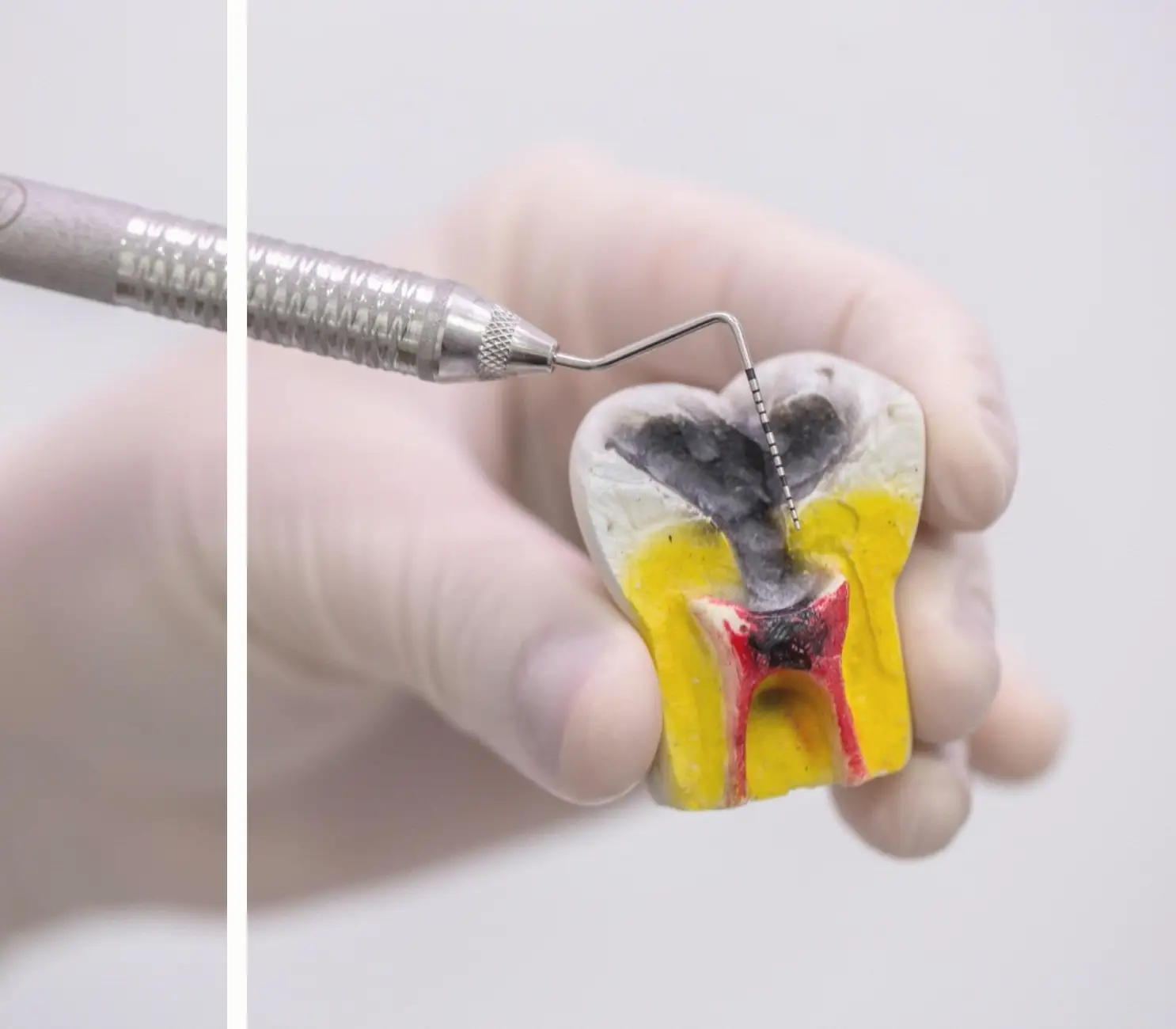
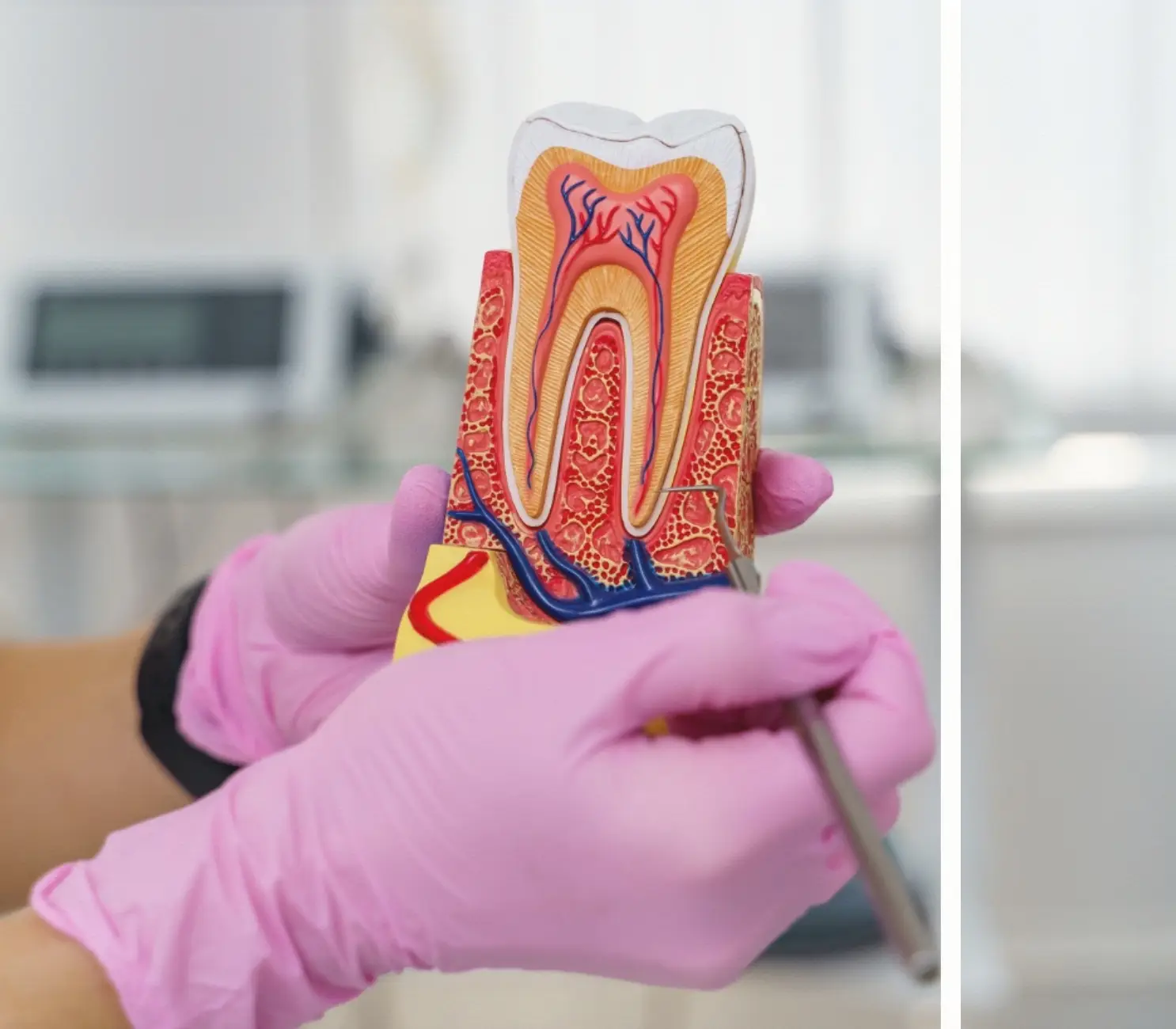
Plan the Treatment Process with Proper Evaluation
For a successful outcome in root canal treatment, not only the execution of the procedure but also accurate diagnosis is of great importance. The infection level in the tooth, root structure, condition of surrounding tissues, and existing structural loss are carefully evaluated to create a treatment plan suited to the individual.
- The problematic tooth is examined in clinical detail.
- When necessary, the root structure is evaluated with X-rays.
- The number of canals and infection status are taken into consideration.
- Post-treatment superstructure needs may also be planned.
Why Is Root Canal Treatment Necessary?
Root canal treatment is most often the result of neglected cavities. A cavity that could initially be resolved with a filling passes through the enamel and dentin layers and reaches the nerve tissue (pulp) of the tooth when left untreated. Infected pulp causes severe pain, nighttime throbbing, and infection that spreads to surrounding tissues. At this point, root canal treatment is the last chance to save the tooth.
Besides cavities, tooth fractures, repeated trauma, chronic irritation caused by high restorations, and advanced gum disease are also among the conditions that may require root canal treatment.
Why Is a Crown Necessary After Root Canal Treatment?
Teeth that have undergone root canal treatment lose their vitality and become brittle over time. The risk of fracture is especially high in back teeth under chewing forces. For this reason, it is recommended to place a protective crown on the tooth after root canal treatment is completed. Zirconia dental crown is the most preferred option for both durability and natural appearance. For aesthetically prioritized cases on front teeth, porcelain crowns can also be considered.
What Is Done If Root Canal Treatment Fails?
Although root canal treatment has a high success rate, infection may recur in some cases. Inadequate canal filling, missed canals, complexity of root canal anatomy, or bacteria leaking from beneath the restoration can cause this.
When infection recurs, the first option is root canal retreatment. The old canal filling is removed, the canals are re-cleaned, disinfected, and refilled. If retreatment also fails or the infection at the root tip requires surgical intervention, apical surgery is planned. In this procedure, the root tip is surgically exposed, infected tissue is cleaned, and the root tip is sealed.
After all these options are exhausted, the last resort is tooth extraction. Implant treatment is planned to replace the lost tooth.
Crowded Teeth and Cavity Risk
In crowded teeth, areas form where the brush and dental floss cannot reach. Plaque buildup increases in these areas and cavities develop. Cavities can progress to the point of requiring root canal treatment. Correcting tooth alignment with Invisalign or braces is a preventive step that makes cleaning easier and reduces the risk of cavities and root canal treatment in the long term.
Root Canal Treatment in Children
Root canal treatment applied to primary teeth differs from that in adults. Primary tooth roots naturally dissolve over time and make room for the permanent tooth. For this reason, resorbable (absorbable) materials are used in primary tooth root canal treatment. Through regular pediatric dentistry check-ups, cavities are detected early and treated without the need for root canal treatment.
Frequently Asked Questions
We have compiled the questions we receive about this treatment and answered them as openly and transparently as possible.
Today, root canal treatment is performed under local anesthesia, so patient comfort during the procedure is the goal. There may be mild sensitivity after the procedure, but this is usually temporary.
Some teeth can be completed in a single session. However, depending on the infection status, tooth structure, and clinical requirements, more than one session may be needed.
Some patients may experience short-term sensitivity after the procedure. However, long-lasting or increasing pain requires re-evaluation.
Root canal-treated teeth may be more fragile, especially when there is significant structural loss. For this reason, it is important that the superstructure of the tooth is properly restored.
In many cases, yes. However, the treatment plan may change depending on the extent of the infection and the general condition of the tooth. The most appropriate approach is determined after examination.
No. In some teeth, the damage may be at a very advanced level. Whether it can be preserved with root canal treatment is clarified after examination and radiological evaluation.
Our Dentists
Meet our expert dentists.



Content Information
This page was prepared by the Dore Medical Editorial Board and medically reviewed by Dr. Merve Özkan Akagündüz, DDS, MSc.