Orthodontic Relapse Treatment with Invisalign
Orthodontic relapse is when teeth shift back toward their original position after braces or aligner treatment, usually due to missed retainer wear. It can be corrected with Invisalign clear aligners.
Symptoms
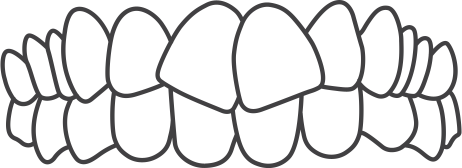
- Teeth crowding again after previous treatment
- Gaps reopening between teeth
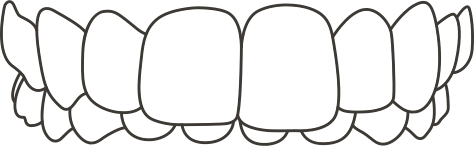
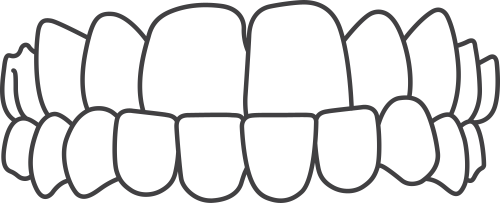
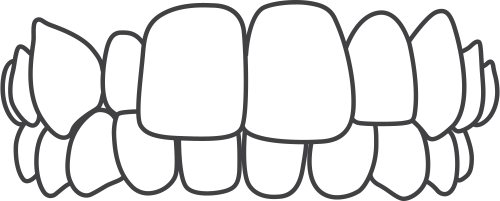
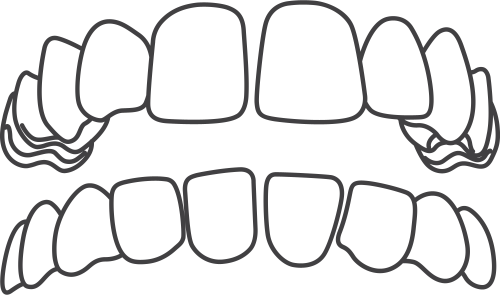
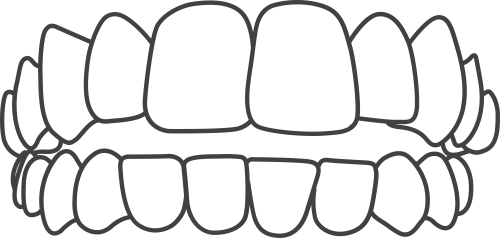
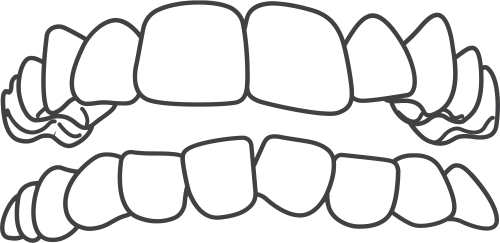
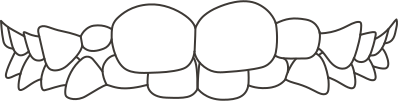
- Lower front teeth rotating or overlapping
- Retainer no longer fitting properly
- Subtle changes in your smile over the years
- Bite feeling different than after original treatment
Orthodontic Relapse Treatment with Invisalign
Orthodontic relapse is the gradual shifting of teeth back toward their original positions after orthodontic treatment. It's a frustrating but common issue — and it doesn't mean your original treatment failed. Without proper retention, teeth naturally tend to move over time.
Causes
The most common cause is missed retainer wear — either stopping retainer use altogether or failing to wear them as prescribed. Other contributors include natural age-related changes (lower front teeth tend to crowd as we age), bone remodeling after treatment, late-erupting wisdom teeth, habits like tongue thrusting or grinding, and untreated bite issues that the original treatment didn't address.
What Happens If Left Untreated
Untreated relapse tends to worsen over time. Mild crookedness becomes more noticeable, gaps widen, and the bite becomes less functional. Cleaning gets harder, increasing the risk of cavities and gum disease. Many patients also lose self-confidence as their smile gradually changes.
At Doredent, our Invisalign Diamond Provider Dr. Merve Özkan Akagündüz uses iTero digital scanning to evaluate the extent of relapse and create a focused, often shorter retreatment plan. Mild relapse cases can often be corrected in just a few months. After treatment, we provide a complete retention strategy to prevent relapse from happening again.
Digital Preview
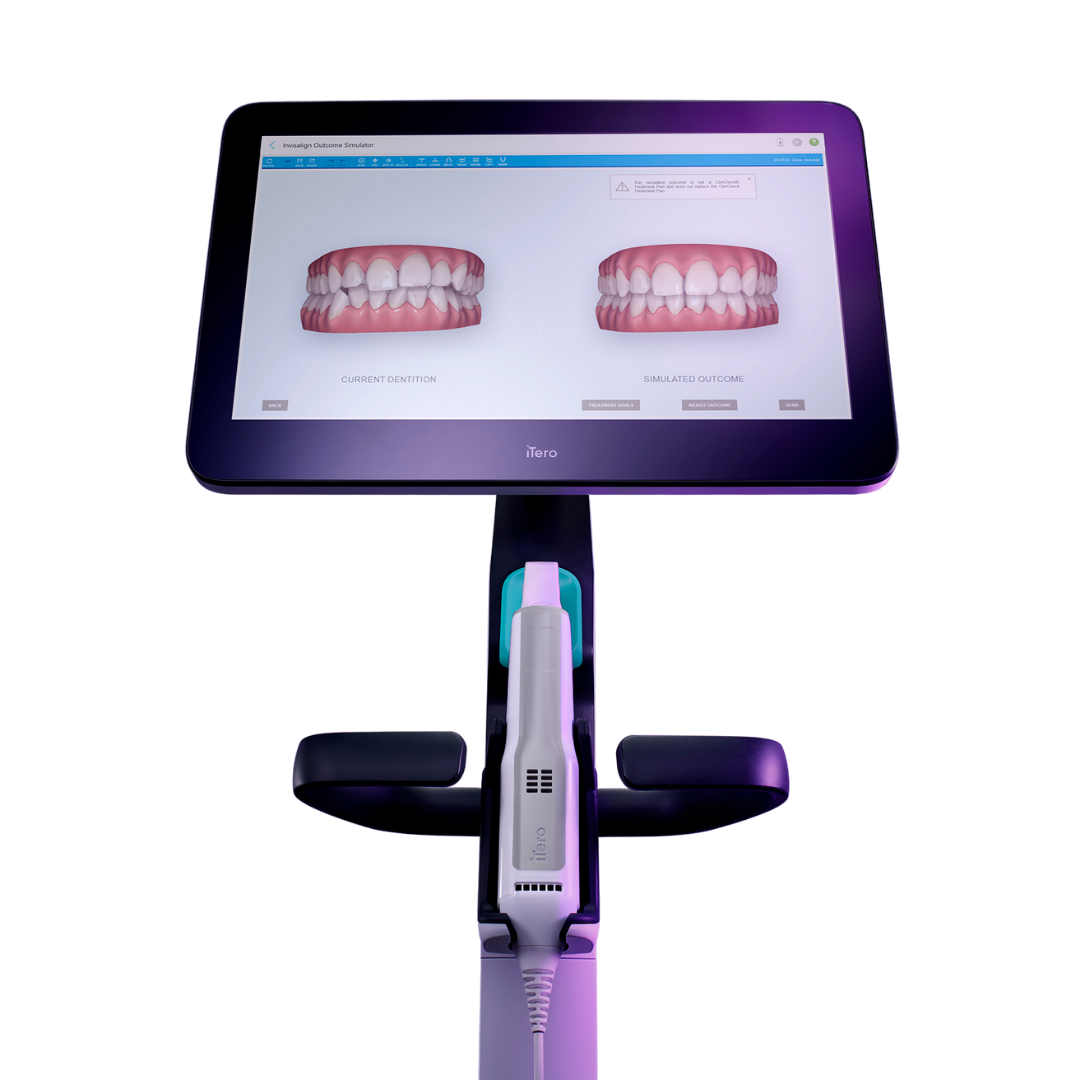
See your treatment outcome in 3D before you even start with iTero scanning
Comfortable Treatment
Clear, removable aligners that won't disrupt your daily life
Often Shorter Treatment
Mild relapse cases can be corrected in just a few months
See Your Treatment Outcome Before You Start
At Doredent, we use the iTero digital scanner to create a 3D model of your mouth in seconds. With Invisalign Outcome Simulator, we show you how your teeth will look after treatment — right at your very first appointment.
This way, you see the result before treatment begins and make an informed decision.
Completed in 5 Minutes
No need for traditional impressions — digital scanning is fast and comfortable
3D Outcome Simulation
Watch how your teeth will look at the end of treatment, right on screen
Completely Free
Digital scanning and simulation are performed at no cost
Precise Planning
Millimetric measurement clarifies treatment duration and aligner count from the start
The Doredent Difference in Relapse Treatment
As an Invisalign Diamond Provider clinic, our approach to relapse treatment that sets us apart.
iTero Digital Scanning
Instead of traditional impression molds, we use the iTero digital scanner for millimetric, comfortable, and fast measurements. You see your treatment outcome in 3D before starting.
Diamond Provider Expertise
Our orthodontist Dr. Merve Özkan Akagündüz holds Invisalign's highest certification level — Diamond Provider — and has successfully treated many relapse cases for patients who previously had braces or aligners.
Personal Treatment Coordinator
A dedicated coordinator is assigned to you throughout your treatment. Your appointments, questions, and progress are tracked by one point of contact.
Long-Term Retention Plan
After treatment, we provide a complete retention strategy — including Vivera retainers and a clear wear schedule — to prevent relapse from happening again.
Frequently Asked Questions About Orthodontic Relapse
Teeth have a natural tendency to drift toward their original positions after orthodontic treatment, especially in the first few years. The most common cause is missed or discontinued retainer wear. Other contributors include natural age-related changes, late-erupting wisdom teeth, and habits like tongue thrusting. This is why lifetime retention is recommended.
Relapse correction is usually shorter than the original treatment because the teeth often haven't moved far from their ideal position. Mild cases can resolve in 3–6 months. Moderate cases typically take 6–12 months. Your exact timeline is confirmed after the iTero digital scan.
Yes — Invisalign is an excellent option for relapse correction, whether your original treatment was with braces or aligners. The clear aligners are especially appealing for adult patients who don't want to wear visible braces again. Most relapse cases can be corrected effectively with Invisalign.
Unfortunately no — old retainers are designed to hold teeth in a previous position. If your teeth have shifted, the retainer won't fit properly or comfortably, and forcing it could cause pain or further damage. New treatment is needed to align your teeth, after which you'll receive new custom retainers.
Following your retainer plan is essential — typically full-time wear initially, then nightly wear long-term. Many orthodontists now recommend lifetime nightly retention to prevent relapse. We also offer Vivera retainers (made from durable Invisalign material) and bonded retainers behind the front teeth for added security.
When you visit Doredent, our orthodontist uses the iTero digital scanner to capture a 3D image of your mouth. The process takes about 5 minutes, is completely painless, and is much more comfortable than traditional impressions. You'll see your current dental status and the treatment outcome immediately after the scan.
Book Your Appointment for Relapse Correction
Let's plan your treatment with a free digital scan.