Diastema Treatment with Invisalign
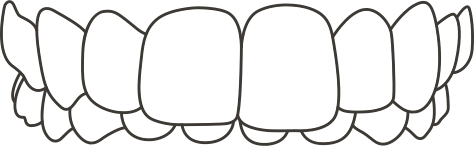
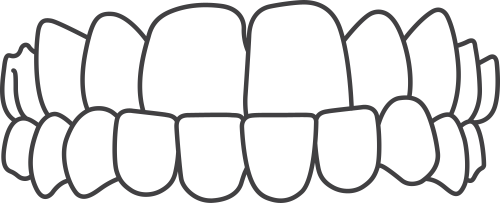
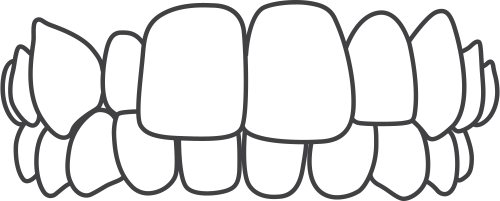
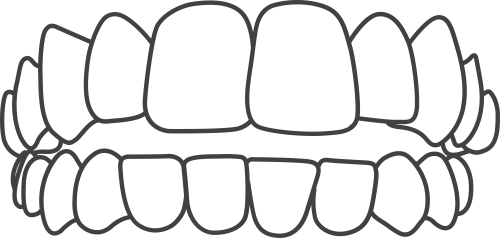
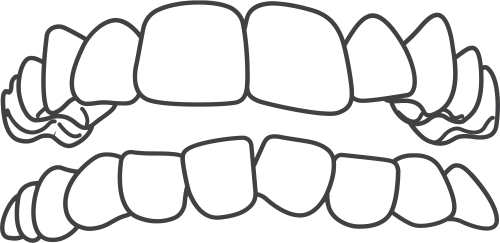
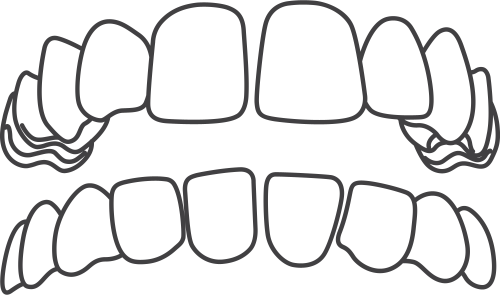
Diastema refers to gaps between teeth that are wider than normal. It can be effectively treated with Invisalign clear aligners.
Symptoms
- Visible gaps between front teeth
- Food getting stuck between teeth
- Whistling sound during speech
- Gum sensitivity around gapped teeth
- Self-consciousness about your smile
- Aesthetic concerns when smiling or speaking
Diastema Treatment with Invisalign
Diastema is a condition where there are gaps wider than normal between teeth. While most commonly seen between the upper front teeth (called a midline diastema), it can occur between any teeth in the mouth.
Causes
Diastema can be caused by genetic factors, a mismatch between tooth size and jaw size, a thick labial frenum (the tissue between the upper lip and gum), tongue thrusting habits, or missing teeth. In children, gaps between baby teeth are normal and usually close as permanent teeth come in. In adults, diastema typically requires treatment to close.
What Happens If Left Untreated
While diastema is often considered a cosmetic issue, untreated gaps can cause food to get trapped, increasing the risk of cavities and gum disease. Larger gaps may also affect speech and bite function. Some patients also experience self-confidence issues related to their smile appearance.
At Doredent, our Invisalign Diamond Provider Dr. Merve Özkan Akagündüz uses iTero digital scanning to plan precise tooth movements that gradually close the gaps. Mild cases may resolve in as little as 3–6 months. For some patients, orthodontic treatment is complemented with porcelain veneers for aesthetic finishing.
Digital Preview
See your treatment outcome in 3D before you even start with iTero scanning
Comfortable Treatment
Clear, removable aligners that won't disrupt your daily life
Fast Results
Mild diastema cases can show results in as little as 3–6 months
See Your Treatment Outcome Before You Start
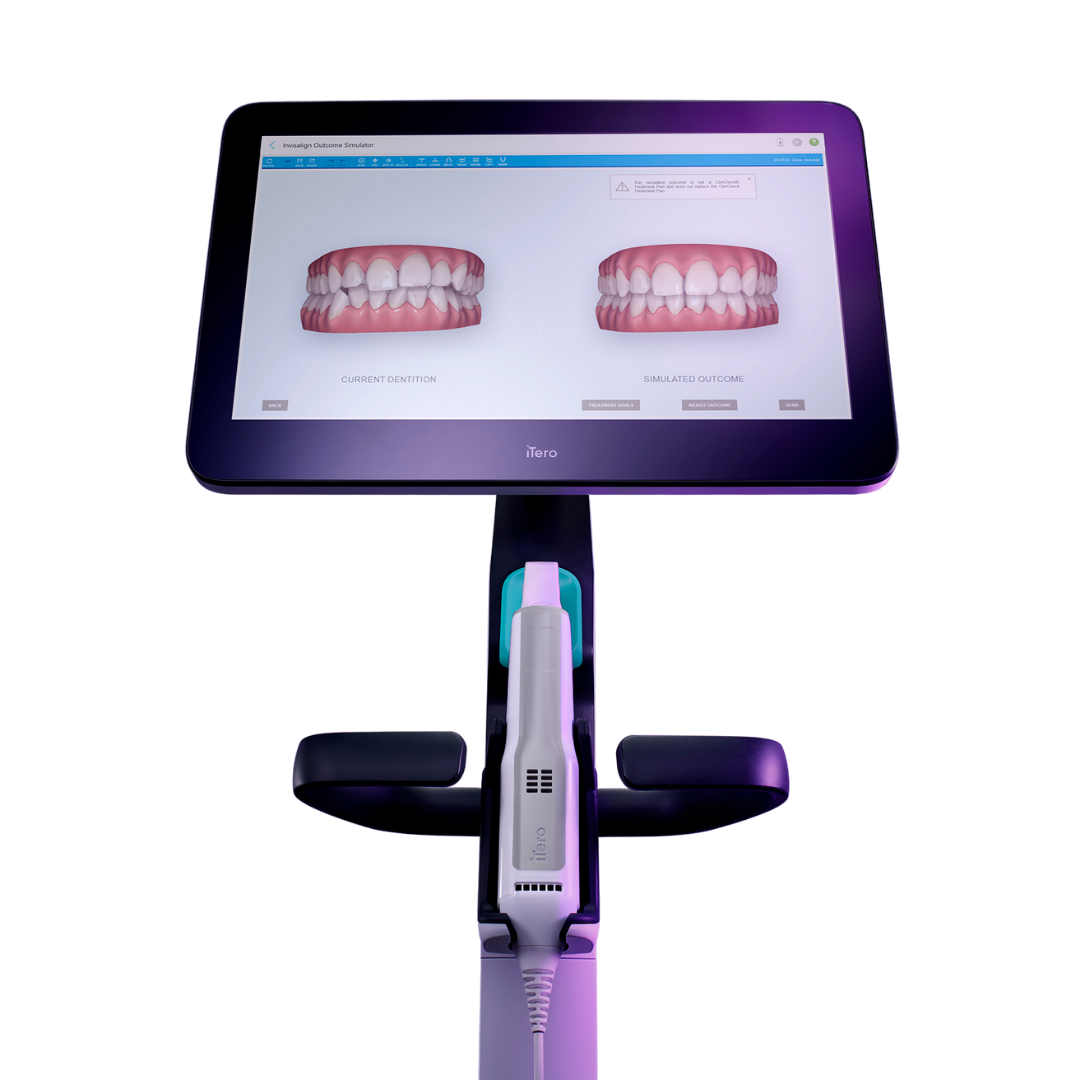
At Doredent, we use the iTero digital scanner to create a 3D model of your mouth in seconds. With Invisalign Outcome Simulator, we show you how your teeth will look after treatment — right at your very first appointment.
This way, you see the result before treatment begins and make an informed decision.
Completed in 5 Minutes
No need for traditional impressions — digital scanning is fast and comfortable
3D Outcome Simulation
Watch how your teeth will look at the end of treatment, right on screen
Completely Free
Digital scanning and simulation are performed at no cost
Precise Planning
Millimetric measurement clarifies treatment duration and aligner count from the start
The Doredent Difference in Diastema Treatment
As an Invisalign Diamond Provider clinic, our approach to diastema treatment that sets us apart.
iTero Digital Scanning
Instead of traditional impression molds, we use the iTero digital scanner for millimetric, comfortable, and fast measurements. You see your treatment outcome in 3D before starting.
Diamond Provider Expertise
Our orthodontist Dr. Merve Özkan Akagündüz holds Invisalign's highest certification level — Diamond Provider — and has successfully completed hundreds of diastema cases.
Personal Treatment Coordinator
A dedicated coordinator is assigned to you throughout your treatment. Your appointments, questions, and progress are tracked by one point of contact.
Transparent Process
You are informed at every stage of your treatment. Aligner count, treatment duration, and cost are clarified at the first consultation — no surprises.
Frequently Asked Questions About Diastema
Treatment time depends on the size and number of gaps. Small single-gap cases can close in 3–6 months. Multiple gaps or larger spaces typically take 6–12 months. Your exact timeline is confirmed at your first iTero digital scan.
Without retainers, gaps can reopen — this is one of the most common reasons for relapse. After Invisalign treatment, we provide custom retainers that you wear to maintain your results. Following the retainer schedule prevents your gaps from returning.
Veneers can close gaps in a single visit, but they require permanent reshaping of healthy teeth. Invisalign moves your natural teeth into position without altering them. For some patients, a combination approach works best: Invisalign first to align the teeth properly, then small porcelain veneers or composite bonding for final aesthetic refinement.
Gaps between baby teeth are normal and often beneficial — they leave room for the larger permanent teeth. Most childhood diastemas close naturally as adult teeth erupt. However, if gaps persist after permanent teeth come in, a pediatric dentistry evaluation is recommended.
In some cases, a thick or low-attached labial frenum (the tissue between the upper lip and front teeth) can cause or maintain a midline diastema. If this is the case, a small surgical procedure called a frenectomy may be recommended before or during orthodontic treatment. Your orthodontist will evaluate this at the initial consultation.
When you visit Doredent, our orthodontist uses the iTero digital scanner to capture a 3D image of your mouth. The process takes about 5 minutes, is completely painless, and is much more comfortable than traditional impressions. You'll see your current dental status and the treatment outcome immediately after the scan.
Book Your Appointment for Diastema Treatment
Let's plan your treatment with a free digital scan.