
Dental treatment during pregnancy: what you need to know
Pregnancy is a sensitive time for expectant mothers. They undergo both emotional and physical changes. Hormonal shifts can cause problems in the mouth. Oral secretions are affected by these changes. Nausea and vomiting increase acid levels in the mouth. As a result, tooth structure and gums can be damaged.

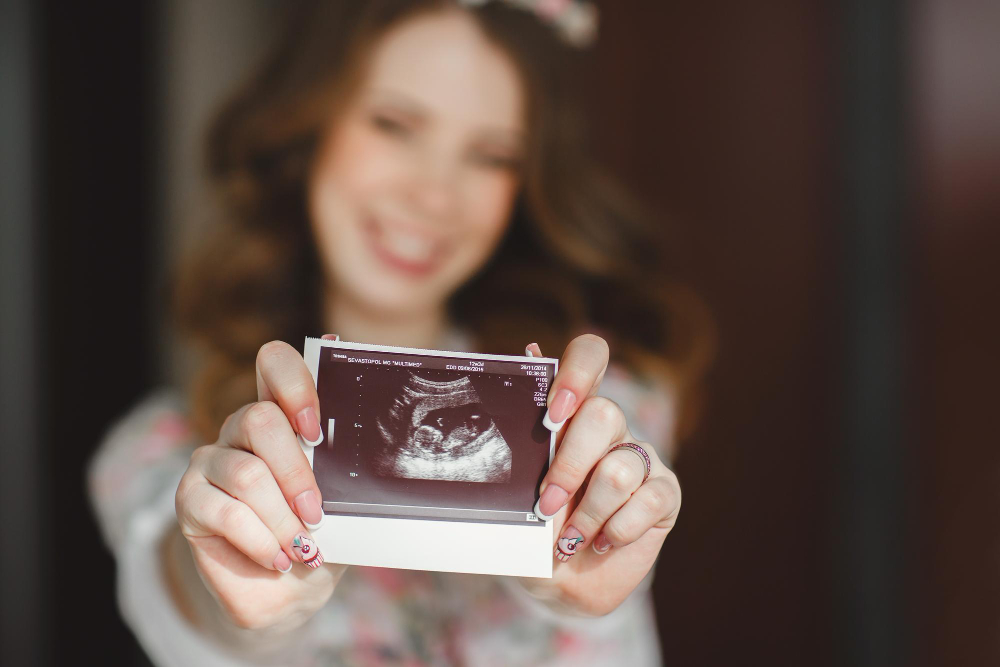
Pregnancy is a sensitive time for expectant mothers. They undergo both emotional and physical changes. Hormonal shifts can cause problems in the mouth. Oral secretions are affected by these changes. Nausea and vomiting increase acid levels in the mouth. As a result, tooth structure and gums can be damaged. Abnormal swelling of the gums may occur due to hormones.
Increased appetite and frequent eating during pregnancy can affect oral hygiene. For this reason, attention to oral hygiene should be increased during this period. Teeth should be brushed regularly three times a day. Tooth brushing should be supported with dental floss and interdental brushes. Only in this way can the negative changes that pregnancy brings to the mouth be managed.
Toothache during pregnancy can be extremely uncomfortable for the expectant mother. Because the pain relievers recommended for use during this period have low effectiveness, the problem can become even worse. In urgent situations like these, necessary treatments can be applied after consulting the expectant mother's obstetrician. During this period, treatments such as dental fillings, tooth extractions, and root canal treatment can be performed when necessary.
The best time for dental procedures that must be done during pregnancy is the second trimester. The first three months of pregnancy are called the first trimester, the second three months the second trimester, and the last three months the third trimester. The first trimester is riskier in terms of miscarriage risk, and the third trimester in terms of preterm birth risk. For dental procedures, the second trimester is more suitable if possible.
The gums' reaction to dental plaque (the structure formed by food residues sticking to the tooth surface) in the form of gum bleeding and gum overgrowth is greater due to the effect of hormones. In such cases, dental scaling may be recommended. There is no harm in having dental scaling done during pregnancy.
Cavities that cause discomfort during pregnancy can be treated with filling procedures, preferably in the second trimester, after obtaining approval from the obstetrician. When root canal treatment is needed, the control of the treatment with X-rays may not be possible because the expectant mother should not be exposed to radiation except in mandatory cases. In this situation, the root canal treatment can be completed using developing technology, or completion of the treatment can be postponed until after pregnancy.
Tooth extraction during pregnancy is the last method we resort to. When necessary, tooth extraction can be performed under local anesthesia. Whenever it is believed that the negative effect of a problematic tooth on the baby is greater than the effect of the procedures performed, necessary treatments should be done without delay. Ensuring that the expectant mother passes through this period as comfortably as possible is always our priority.
