
Bleeding Gums Are Not "Normal": Your Body's Warning Signal
You brushed your teeth, looked at the sink, and saw a pink tint in the water you spit out. "I probably brushed too hard," you said, and moved on. The next day, the same thing happened. A week later, bleeding started when you used dental floss. But you still tell yourself "it's nothing, it will pass."

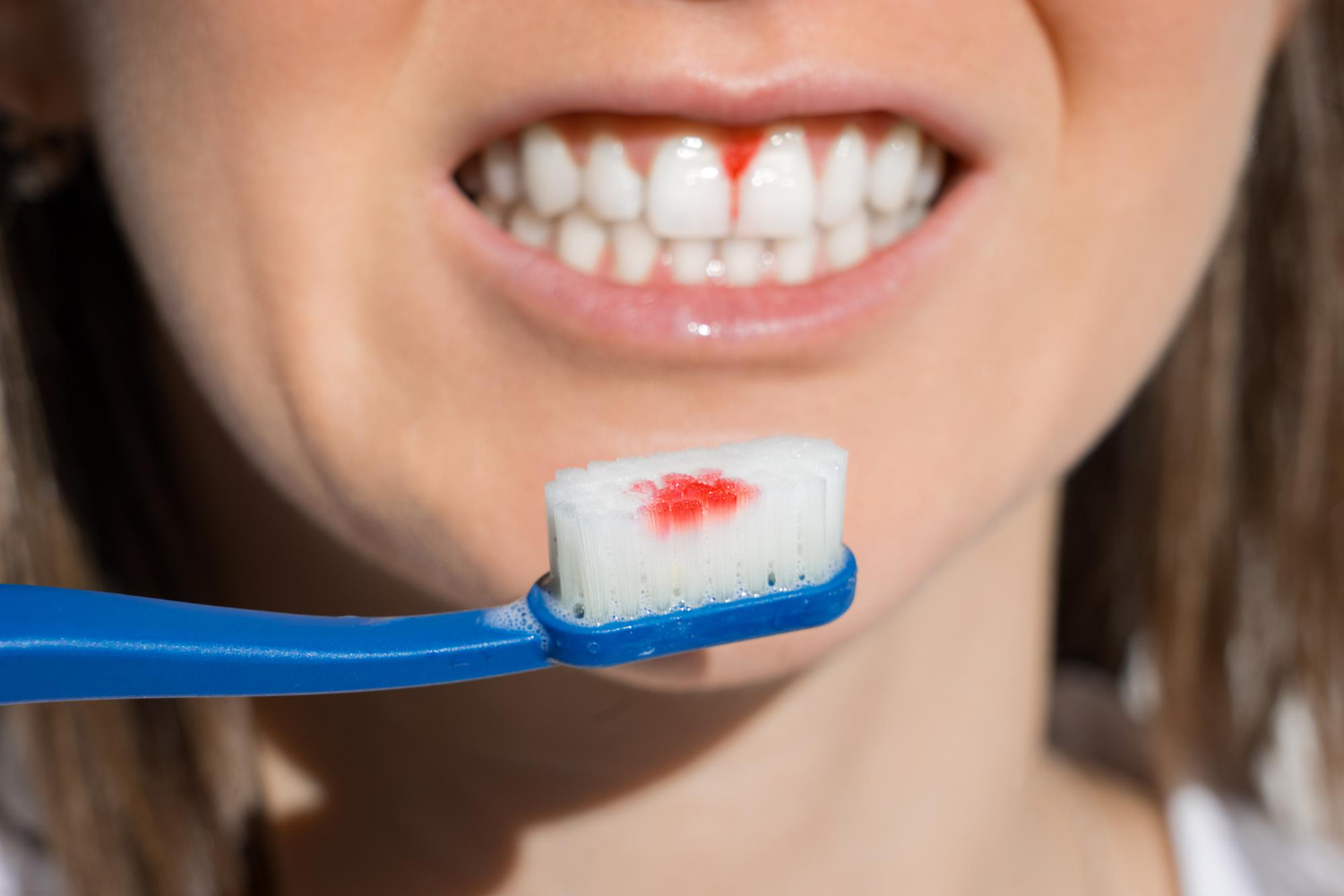
You brushed your teeth, looked at the sink, and saw a pink tint in the water you spit out. "I probably brushed too hard," you said, and moved on. The next day, the same thing happened. A week later, bleeding started when you used dental floss. But you still tell yourself "it's nothing, it will pass."
Stop. Bleeding gums are not normal. If your palm bled when you washed your hands, would you say it's "normal"? You wouldn't. Then you need to approach gum bleeding with the same seriousness every time it happens. Because that bleeding is your body's way of telling you something is wrong.
Why Do Gums Bleed?
The most common cause of gum bleeding is gum inflammation. The medical term is gingivitis. Bacterial plaque that builds up on tooth surfaces settles into the groove between the gum and tooth, producing toxins there. These toxins cause inflammation in the gum tissue. Inflamed tissue swells, turns red, and bleeds when touched.
This process is usually painless. Because there's no pain, most people don't take the condition seriously. However, being painless doesn't mean it's harmless. If left untreated, gingivitis can progress to periodontitis. Periodontitis is a serious disease that leads to destruction of the bone tissue surrounding the tooth and, if untreated, results in tooth loss.
There are less common causes of gum bleeding: blood-thinning medication use, vitamin deficiencies (especially vitamin C), hormonal changes (such as pregnancy), systemic diseases (such as leukemia, diabetes), and even incorrect brushing technique. However, in the vast majority of cases, the cause is bacterial plaque.
"I Brush Every Day But It Still Bleeds"
This sentence is frequently heard in the clinic. And usually there are two underlying problems: incorrect brushing technique or brushing alone not being sufficient.
Proper tooth brushing is not just brushing the surface of teeth. The brush bristles need to be placed at a 45-degree angle to the gum line and brushed with small circular movements or vibrating motions. The goal is to remove plaque from the gum groove. Just "painting" the tooth surface like a coat of paint is not enough to protect gum health.
Using dental floss or interdental brushes is just as important as brushing. The surfaces between teeth are areas that a toothbrush cannot reach. Plaque that accumulates in these areas is where gum inflammation most often begins. Only brushing without using dental floss is like cleaning only the front facade of your house while neglecting the back.
Professional dental scaling should also be done at regular intervals. Over time, plaque combines with saliva minerals to become tartar. Tartar cannot be removed by brushing or flossing; it can only be cleaned in a clinical setting with ultrasonic instruments or scalers. Cleanings every six months are one of the most effective ways to maintain gum health.
From Gingivitis to Periodontitis: Silent Destruction
Gingivitis is a reversible disease. When plaque control is achieved, gum inflammation heals completely within a few weeks. But if left untreated, the infection advances into the depths of the gum groove and periodontitis begins.
In periodontitis, bacterial plaque and tartar settle deep into the gum pocket. Chronic infection in this area leads to destruction of the alveolar bone surrounding the tooth. As bone destruction progresses, teeth begin to loosen. This process advances painlessly over years, and most patients only notice the seriousness of the situation when teeth become noticeably loose.
Periodontitis is one of the most common causes of tooth loss worldwide. And what's ironic is this: often the tooth is not decayed, its structure is sound, but because its supporting tissues have been destroyed, it can no longer stay in place. This means a loss that could have been prevented with a simple cleaning if caught early becomes a chain that extends all the way to dental implant treatment due to neglect.
Even more concerning is that the vast majority of periodontitis patients are unaware of their disease. Pain usually doesn't appear until the late stage. Bleeding is considered "normal." Gum recession is explained away as "aging." These misinterpretations lead to delayed treatment and damage that's difficult to reverse. Regular dental checkups are critically important for early diagnosis of this silent disease.
Gum Disease and General Health Connection
Gum disease is not a problem limited to the mouth alone. Research conducted in recent years has shown significant relationships between periodontal disease and many systemic diseases.
The link between cardiovascular diseases and periodontitis is one of the most researched topics. In chronic gum infection, bacteria from the mouth can enter the bloodstream. It's thought that these bacteria may accelerate atherosclerotic plaque formation in blood vessel walls.
There is a bidirectional relationship between diabetes and periodontitis. Diabetes increases the risk of gum disease. At the same time, uncontrolled gum disease negatively affects blood sugar regulation. Studies show improvement in HbA1c levels in diabetic patients who receive periodontitis treatment.
Pregnancy complications have also been linked to periodontal disease. Pregnant women with active periodontitis have been found to have increased risk of preterm birth and low birth weight babies.
All of these relationships should be evaluated as strong correlations, not as proof of causality. However, it's clear that oral health is not independent of general health.
Gum Recession: The Next Step After Bleeding
Long-term gum inflammation and periodontitis can also lead to gum recession. When gums recede, the tooth root becomes exposed. This condition has many consequences.
Aesthetic loss is obvious. Gum recession in front teeth especially causes teeth to look long and disproportionate. The "gum smile" is disrupted and smile aesthetics are affected.
Sensitivity increases. The tooth root surface is not covered with enamel; it's surrounded directly by the dentin layer. Tubules within the dentin create sensitivity to hot, cold, and sweet stimuli.
Root decay risk increases. The exposed root surface is much more susceptible to decay than the enamel surface. Root cavities are a serious problem that's difficult to treat and increases the risk of tooth loss.
The most effective way to prevent gum recession is to treat gum disease in the early stages. After recession has occurred, lost tissue can be reconstructed with surgical procedures such as gum grafts, but this is a much more extensive and costly treatment compared to a simple cleaning.
Pregnancy and Gum Bleeding
Gum bleeding during pregnancy is very common and is called "pregnancy gingivitis." Hormonal changes cause the gums to have an exaggerated inflammatory response to bacterial plaque. The amount of plaque that wouldn't normally cause bleeding can lead to noticeable bleeding during pregnancy.
This situation should not be dismissed by saying "it's normal in pregnancy." If pregnancy gingivitis is not treated, it can progress to periodontitis and increase the risk of pregnancy complications.
Dental scaling can be safely performed during pregnancy. The second trimester (months 4 to 6) is the most appropriate period for dental procedures. Regular oral care and professional cleaning keep pregnancy gingivitis under control.
When Should You See a Dentist?
When you see gum bleeding, don't wait thinking "it will pass." If you have any of the following signs, you need to see a dentist:
If you have regular bleeding during brushing or flossing, if your gums appear swollen, red, and sensitive, if you notice detachment or recession from the gum margins, if there's a persistent bad taste or odor in your mouth, if you feel looseness in your teeth, or if gaps are opening between teeth, make an appointment.
Early diagnosis ensures treatment is simple and effective. A dental scaling and proper oral care education can completely heal gingivitis within a few weeks. But when the same problem is neglected, it can turn into a condition requiring bone loss, tooth loss, and implant treatment. Just like an untreated tooth cavity extending to extraction over time, gum bleeding also opens the door to much bigger problems when ignored.
Gum Bleeding and Smoking Connection
Smokers take note: if your gums aren't bleeding, it may not mean they're healthy. Smoking damages vascular structure, reducing gum blood flow. For this reason, smokers may not show bleeding symptoms despite having gum disease. The disease remains hidden and is noticed at a more advanced stage.
Research has shown that the risk of periodontal disease in smokers is 2 to 6 times higher than in non-smokers. Moreover, response to treatment is also weaker in smokers. The success rate of gum treatment and surgical procedures is significantly lower in smokers.
Quitting smoking is one of the most effective steps you can take for gum health. In patients who quit smoking, gum blood flow begins to normalize within a few weeks and response to treatment improves dramatically.
Simple Home Checkup
You can assess your gum health at home with a simple observation. Look at your gums in a mirror: healthy gums are pink in color, firm in texture, and appear attached to the teeth. They have a slightly granular surface like orange peel.
Problem gums are dark red or purplish in color, swollen and puffy, appear shiny and taut. Bleeding occurs when you press with your finger. You may notice gaps or pocket formation between the tooth and gum.
This simple observation, of course, doesn't replace a professional evaluation. But regularly checking your gums at home allows you to catch early warning signs.
