
Zirconia Crowns: What Do Regretful Patients Wish They Knew?
Do you avoid smiling when you look in the mirror? Do you cover your mouth in photos because of discolored, chipped, or misshapen teeth? If so, you've probably started researching zirconia crowns.

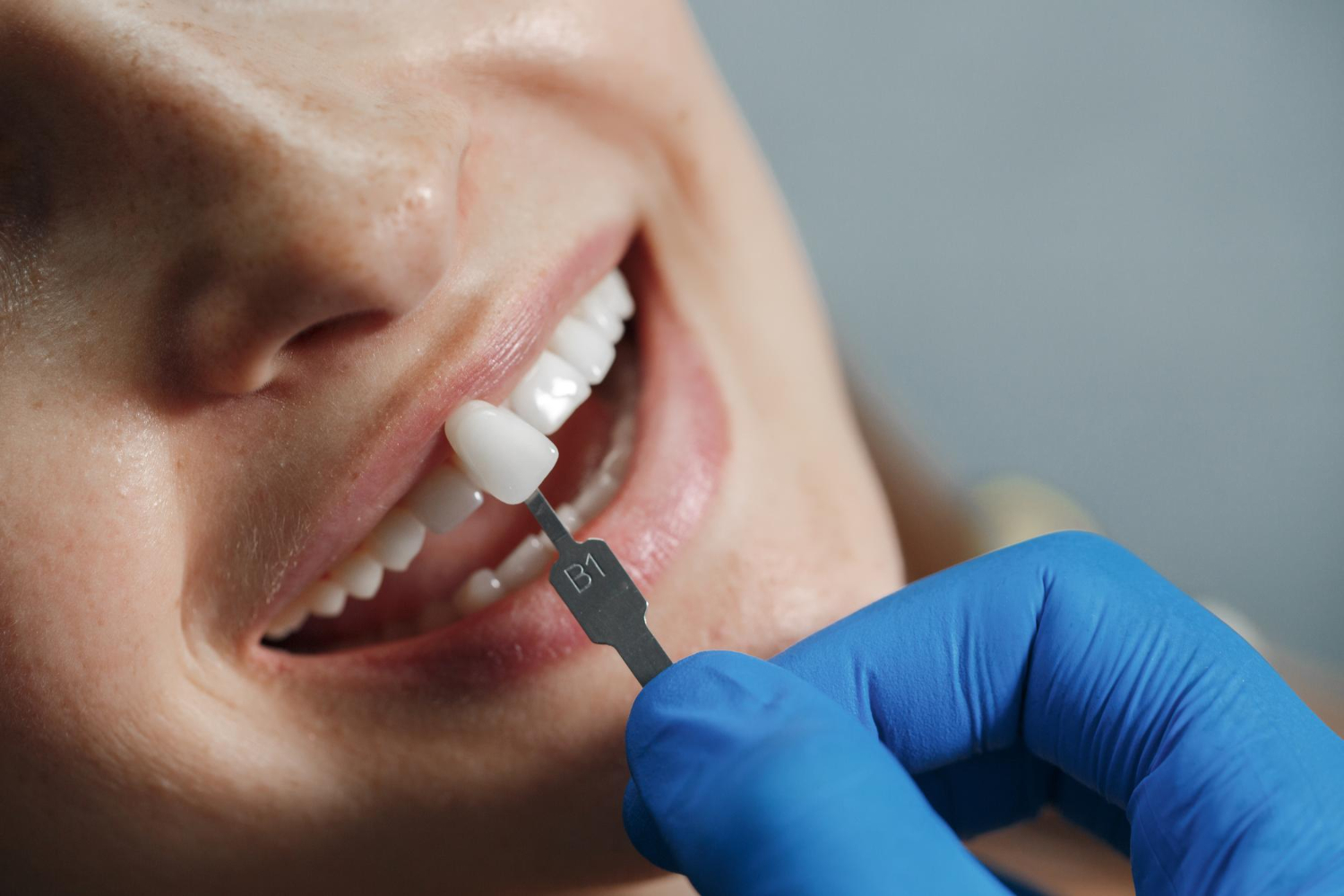
Do you avoid smiling when you look in the mirror? Do you cover your mouth in photos because of discolored, chipped, or misshapen teeth? If so, you've probably started researching zirconia crowns.
But when you spend a little time online, you'll encounter two extremes: on one side, people saying "best decision of my life," and on the other, those writing "I wish I'd never done it" in regret. So how does the same treatment produce such different outcomes? What exactly did the regretful patients do wrong? Let's explore zirconia crowns from every angle and find the answer together.
What Is Zirconia and Why Is It So Popular?
Zirconia is the oxide form of zirconium, a metal found in nature. The zirconia frameworks used in dentistry are the sintered (fired at high temperature) form of this material. Unlike porcelain crowns, it contains no metal substructure. This makes it both aesthetic and biocompatible.
There are several key reasons for its popularity. First, it can be produced in shades very close to natural tooth color. Second, it's much more durable than metal-supported crowns. Third, the risk of allergic reaction is virtually zero. For patients with metal allergies especially, zirconia is a real lifesaver.
But a word of caution here: zirconia crowns and laminate veneers are often confused. Laminate veneers are thin shells bonded only to the front surface of the tooth and typically require minimal tooth reduction. Zirconia crowns, on the other hand, are restorations that encase the entire tooth. Your dentist will decide which method is right for you based on your tooth's current condition.
Who Are Good Candidates for Zirconia Crowns?
Not every cosmetic dental treatment is suitable for every patient. Zirconia crowns are generally preferred in these situations:
If you have severe tooth discoloration that can't be resolved with whitening, zirconia crowns may be a good option. Deep stains caused by antibiotic use (like tetracycline staining) often don't respond to teeth whitening methods. In these cases, crowns offer a more permanent and effective solution.
Zirconia is also chosen for broken, cracked, or severely worn teeth. When damage is too extensive for a large dental filling, crowns reconstruct the tooth both aesthetically and functionally.
Zirconia frameworks are also frequently used in bridge treatments. If dental implant treatment isn't planned to replace a missing tooth, or if there isn't enough bone volume for an implant, zirconia bridges attached to adjacent teeth come into play.
How Does the Treatment Process Work?
The zirconia crown process typically takes two to three appointments. But don't rush, what matters here isn't the number of sessions but how meticulously each stage is performed.
At the first appointment, your dentist examines your teeth in detail. Panoramic and periapical X-rays are taken. Your tooth's root structure, decay status, gum health, and bite relationship are evaluated. If there's decay in the teeth receiving crowns, these cavities are treated first. If gum disease is present, periodontal treatment is planned first. Crowns must be applied on a healthy foundation, otherwise failure is inevitable in the short term.
The tooth preparation stage is one of the most critical points. Your dentist removes a certain amount of material from the outer surface of the tooth to make room for the crown. This amount is typically between 1 and 1.5 millimeters. Too little reduction makes the crown thick and unnatural looking, too much reduction jeopardizes the tooth's vitality. This is precisely where the dentist's experience and precision come to the forefront.
After preparation, a digital or conventional impression is taken. In clinics using digital scanning technology, this process is much more comfortable and precise. The impressions are sent to the lab and the zirconia framework is custom-made for the patient's oral structure. This period typically varies between 5 and 7 business days. During the waiting period, temporary crowns are placed on your teeth.
At the final appointment, the fabricated crowns are tried in the mouth. Color match, margin fit, bite harmony, and patient satisfaction are checked. If everything is appropriate, the crown is bonded to the tooth with permanent cementation.
Zirconia or Porcelain-Fused-to-Metal?
This question comes to mind for almost everyone considering crown treatment. Porcelain-fused-to-metal crowns are a proven method used for decades. However, due to some disadvantages, they are gradually being replaced by zirconia.
The most common problem with porcelain-fused-to-metal is that when gum recession occurs, the metal margin becomes visible. A dark line appears below the gum line, and especially in front teeth, this creates a serious aesthetic loss. With zirconia, since the framework is also white, no such problem occurs.
Light transmission is also an important difference. Natural teeth transmit light to a certain degree. Metal-supported crowns have an opaque appearance, while zirconia crowns can mimic the light transmission of natural teeth. In front teeth, this difference is quite noticeable.
In terms of durability, both materials are long-lasting. However, zirconia's fracture resistance is even higher than metal. So you're making a choice that's both more aesthetic and stronger.
How Long Do Zirconia Crowns Last?
A properly placed and well-maintained zirconia crown can easily last 15 to 20 years. In some cases, this period is even longer. However, what makes a crown long-lasting isn't just the quality of the material.
Oral hygiene is the determining factor here. Brushing at least twice daily, using interdental brushes or floss, and regular checkup appointments directly affect your crowns' lifespan. Gum disease damages the health of the tooth supporting the crown and can cause you to lose the crown.
Bruxism, the habit of grinding and clenching teeth, is also a serious risk for crowns. If you have a nighttime clenching habit, your dentist will likely recommend using a night guard. This simple precaution protects your crowns from fracture risk.
What About the "Hollywood Smile" Trap?
Getting crowns to achieve those bright white smiles you see on social media can be tempting. However, there's a very important point to watch out for here: crowning a healthy tooth purely for cosmetic reasons damages that tooth's natural structure.
Tooth preparation is an irreversible procedure. Removed tooth tissue never comes back. Therefore, before saying "I want to crown all my teeth," you need to question whether you really need it.
In many cases, discoloration can be addressed with teeth whitening, and minor shape irregularities can be corrected with bonding (composite resin) application. These methods require much less intervention on the tooth and preserve natural tooth structure. Rather than crowning every tooth in your mouth, focusing on teeth that genuinely need it is a better approach both for your health and your budget.
Factors Affecting Zirconia Crown Costs
Cost is an area everyone considering crown treatment wonders about. However, it's impossible to give a single figure because there are many variables affecting price.
The brand and country of origin of the zirconia block used directly affects cost. German, Japanese, or Swiss-origin blocks are typically more expensive, but the quality difference is also noticeable. The CAD/CAM technology the lab uses, the technician's experience, and the detail given to the crown also reflect in the price.
The tooth's location can also be a factor. In front teeth, aesthetic expectations are higher, so the color layering and detailing process requires more effort. In back teeth, functional durability is paramount.
Whether additional procedures are needed before treatment also affects total cost. If decay treatment, root canal treatment, or gum treatment is necessary, these stages are priced separately.
How Do You Choose the Right Clinic and Dentist?
In zirconia crown treatment, there's another factor at least as important as material quality: the dentist's experience. This treatment requires both artistic skill and technical knowledge.
There are some points to consider when choosing a clinic. Does the clinic have digital infrastructure? Can it perform digital scanning and CAD/CAM planning? Can it show you photos of cases it has done before? Does it explain the treatment plan to you in detail?
Rather than thinking price-focused, thinking quality and experience-focused protects you in the long term both health-wise and cost-wise. A crown done cheaply but causing problems shortly after turns into a much larger expense when retreatment is needed.
What Should You Watch Out for After Crown Placement?
Your job isn't finished once treatment is complete. You need to follow some rules for your crowns to be long-lasting.
Avoid biting hard foods directly. Especially don't try to crack hard-shelled foods like hazelnuts or walnuts with front crowns. Also stay away from habits like chewing ice.
Go for regular checkups. Checkups every six months allow you to monitor your crowns' margin fit, gum health, and bite relationship. Small problems can be detected and solved before they grow.
Don't neglect using floss or interdental brushes. Crowns themselves don't decay, but the natural tooth underneath can. Plaque accumulating at crown margins paves the way for tooth decay and gum inflammation.
Color Selection in Zirconia Crowns: Naturalness or Whiteness?
The vast majority of patients deciding to get crowns come in saying "I want the whitest shade." However, in dentistry, the best result isn't the whitest result. The best result is the one that suits your face and skin tone.
Natural teeth aren't a single color. The tooth's cervical region, body, and incisal edge are different tones. A good zirconia crown should mimic these color transitions. When a single flat white is applied, teeth look artificial and become foreign to your facial expression.
Color selection should be evaluated in daylight and under different lighting conditions. An experienced dentist does a color trial with the patient and compares different options. Standard shade guides like the VITA scale are used, but what really makes the difference is the lab technician's artistic skill. A natural-looking crown is one that's so harmonious no one will notice when it's placed.
Final Thoughts
Zirconia dental crowns, when applied with the right indication and by experienced hands, are a treatment that genuinely improves quality of life. But like every aesthetic intervention, this treatment has its limits and risks. What matters is having a detailed consultation with a dentist to determine the most suitable option for you. Sometimes a much more minimal intervention than crowns may be sufficient, sometimes crowns really are the right solution. Making this distinction is only possible with a comprehensive examination and honest dentist-patient communication.
If you're unhappy with how your teeth look and are considering a change, we recommend booking an exam appointment as a first step. During the evaluation, the treatment option most suitable for your needs will be determined together.
Benzer Yazılar
 İmplant
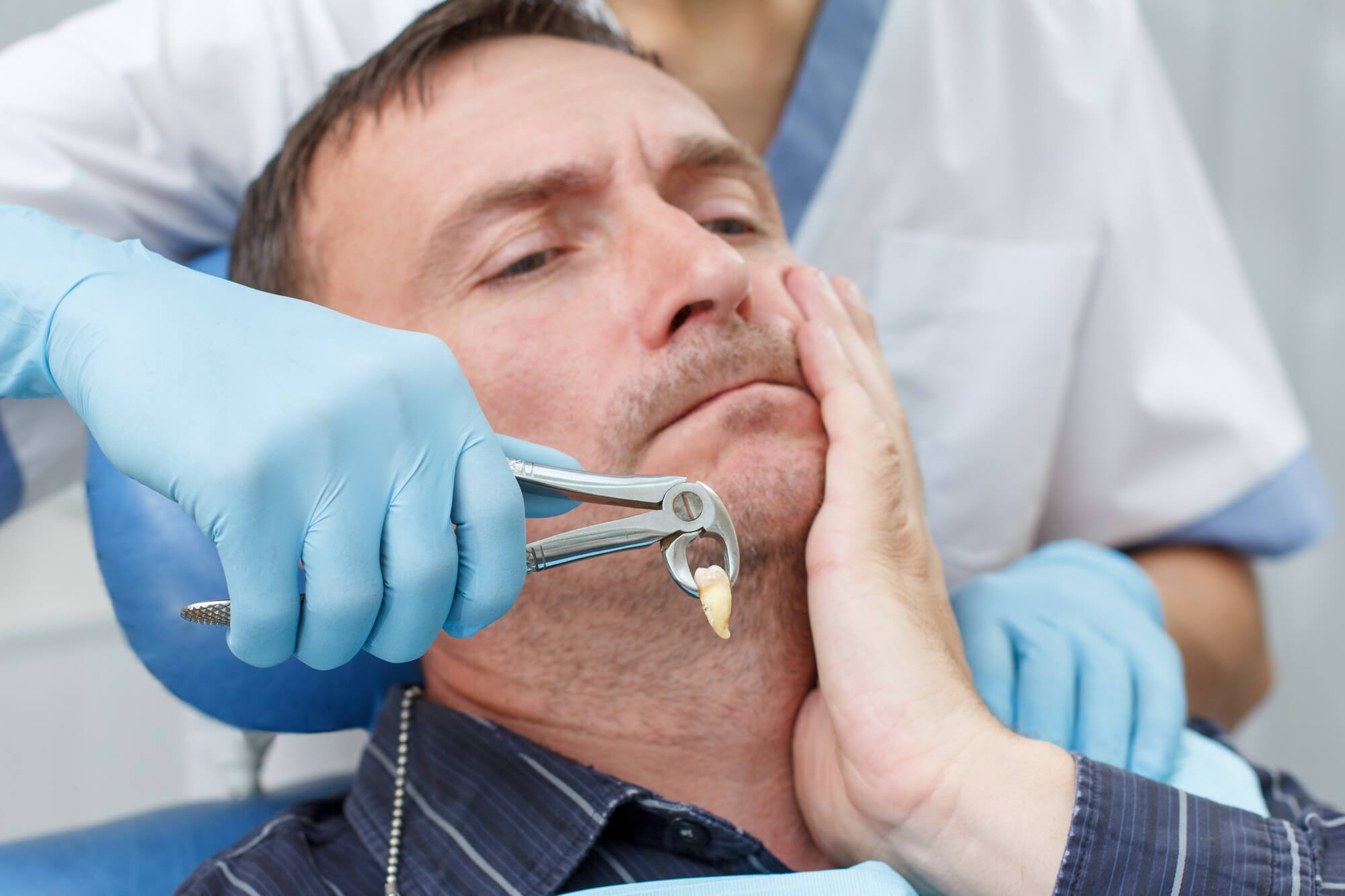
Why Public Hospital Tooth Extraction Can Be the Most Expensive Option
Public hospitals operate a bit differently. I'm not criticizing my colleagues, most are extremely well-trained professionals. But the system is structured so that a dentist needs to see 40-50 patients per day.
 İmplant
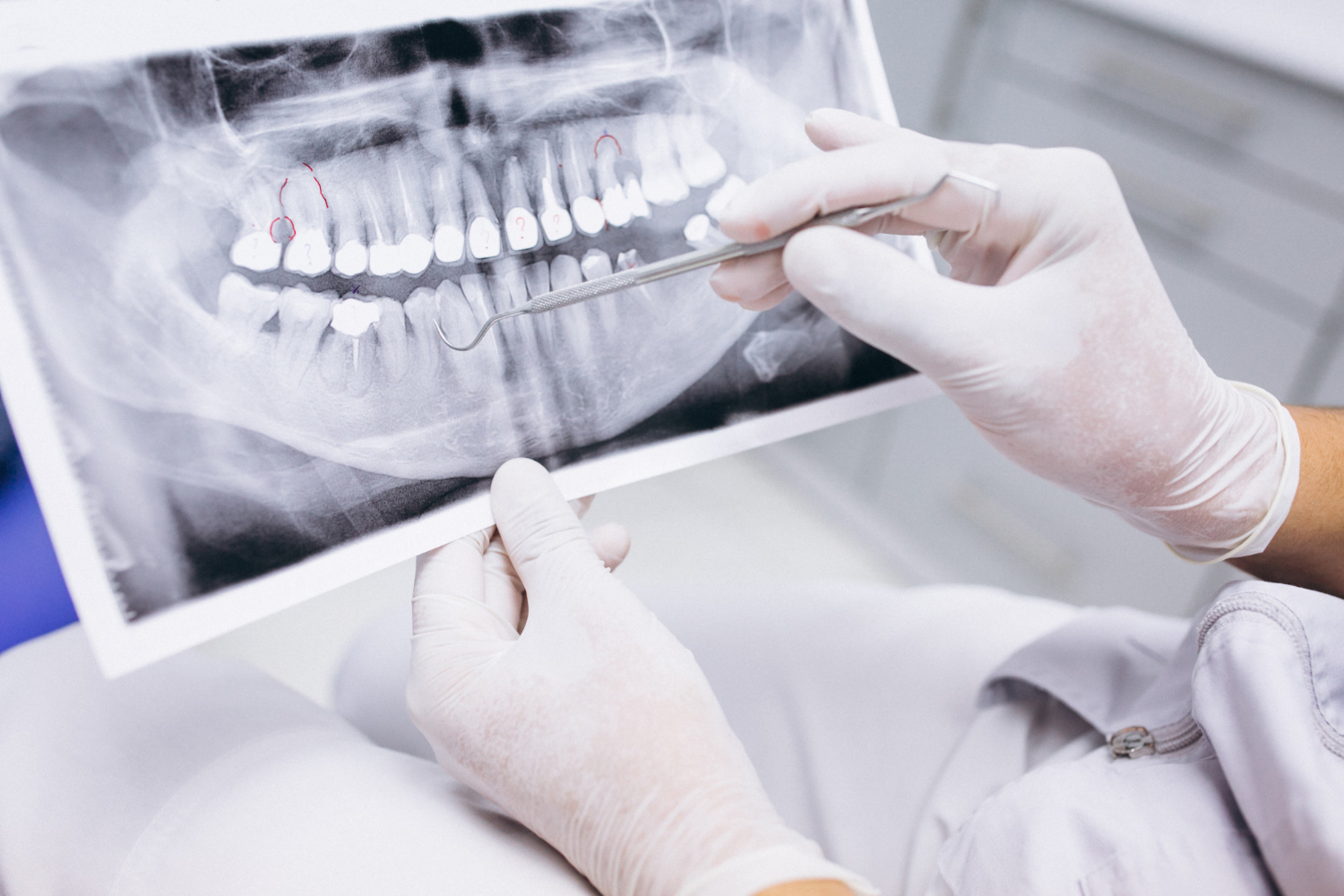
What Happens If You Ignore a Cavity? From Filling to Implant
You notice a small dark spot on your tooth in the mirror. No pain, no sensitivity. You tell yourself it's nothing and put it off. Six months later, cold drinks sting. A year later, nighttime pain begins. Two years later, the tooth breaks.
 İmplant
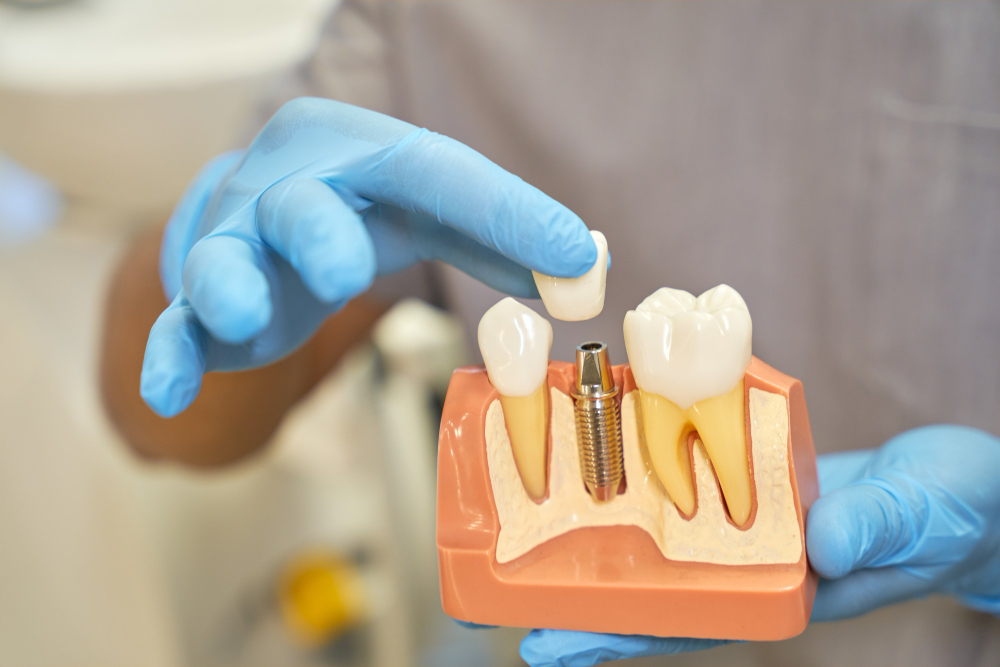
What is a dental implant? Who can get one?
For millions of people experiencing tooth loss, dental implants are the most permanent and natural-looking solution. Today, implants have become one of the most reliable treatment options in dentistry. But what exactly is a dental implant, how is it done, and can everyone benefit from this treatment? In this...
