
What Is a Water Flosser and How Do You Use It?
A water flosser is a dental hygiene device that uses pressurized water or mouthwash solution to clean food particles and plaque from narrow areas that toothbrushes and dental floss cannot reach. It is also used to help prevent periodontal diseases such as gingivitis and tartar buildup.

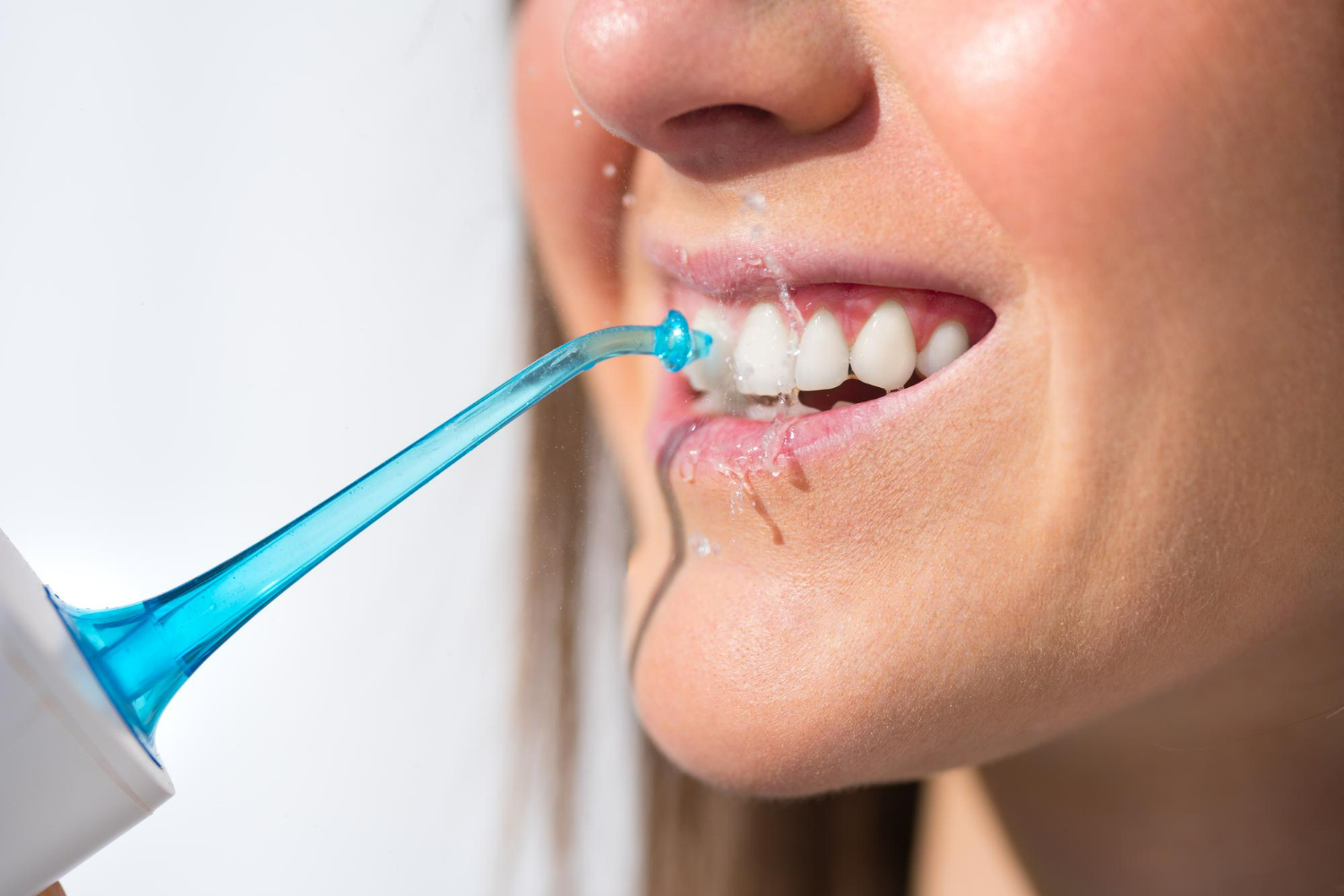
A water flosser is a dental hygiene device that uses pressurized water or mouthwash solution to clean food particles and plaque from narrow areas that toothbrushes and dental floss cannot reach. It is also used to help prevent periodontal diseases such as gingivitis and tartar buildup.
How Do You Use a Water Flosser?
A water flosser is an effective tool for cleaning plaque and food debris from between teeth. Before using the water flosser, fill the water reservoir with clean water. If your water flosser has different tips, choose the one that suits your intended use. Some water flossers have different water pressure settings. Select the appropriate water pressure based on your preference and the sensitivity of your gums.
Place the water flosser tip in your mouth and press the button to start the device. Start with a low pressure initially and adjust according to your needs. Hold the water flosser tip at a close angle between your teeth and around your gums.
Move the water flosser between your teeth and around your gums for approximately 1 minute. You can see the plaque and food debris coming out from between your teeth. Move the tip slowly between your teeth and make sure you clean each area evenly.
Before turning off the water flosser, empty the remaining water from the reservoir. Rinse the tip with clean water and dry it. After use, store the water flosser in a clean, dry place. By using the water flosser regularly, you can help keep your teeth and gums healthier. Dentists generally recommend using it once a day.
By using the water flosser correctly, you can protect your dental health and help your gums stay healthier. If you feel any pain or discomfort in your gums, you can try reducing the water flosser pressure or using a more sensitive tip.
Pros and Cons of Water Flossers
The pros and cons of water flossers are important factors that influence users' decisions to prefer this dental care tool. Here are the advantages and disadvantages of water flossers:
Pros:
- Effective Cleaning: Water flossers effectively clean plaque and food debris between teeth. They are ideal especially for people who have difficulty using dental floss or do not prefer this method.
- Gum Health: Water flossers massage the gums, increasing blood circulation and helping gums stay healthier. This contributes to preventing gum disease and keeping gums stronger.
- Ease of Use: Using water flossers is easier than using dental floss. It is a practical solution especially for people with limited hand and arm movements or those who have difficulty reaching between teeth.
- Various Tips: Many water flosser models offer interchangeable tips suitable for different purposes. For example, softer tips may be available for people with sensitive gums.
Cons:
- Price: Purchasing a quality water flosser can be costly. Additionally, tip and replacement part costs may require extra expenses.
- Water Consumption: Water flossers can increase water consumption during use. This can lead to negative consequences such as environmental impact and increases in water bills.
- Portability: Some water flosser models are large and bulky, which can make them difficult to carry when traveling. However, portable and rechargeable models are also available.
- Sensitivity: High water pressure can cause sensitivity or discomfort in the gums for some users. In this case, lower pressure settings can be preferred.
When considering the pros and cons of water flossers, it is clear that the choice depends on personal preferences and needs.
Are Water Flossers Safe for Teeth?
The question of whether water flossers are safe for teeth is generally related to correct use and appropriate pressure adjustment. Here are some important points about whether water flossers are safe for teeth:
- Pressure Adjustment: Most water flossers have different pressure levels. Using high pressure can be harmful, especially for those with sensitive gums. Therefore, it is necessary to adjust the water flosser pressure correctly.
- Correct Technique: When using a water flosser, it is important to position the tip at the correct angle between teeth and around gums. Moving gently and avoiding fast, harsh movements can reduce the risk of damaging gums.
- Tooth and Gum Condition: Some people may have more sensitive gums or may experience gum diseases. In this case, you should consult a dentist before using a water flosser. Your dentist can assess your dental health, determine the suitability of the water flosser, and provide personalized recommendations.
- Regular Use: Using the water flosser regularly and correctly is important for protecting tooth and gum health. However, excessive use can also cause gum irritation. Therefore, be careful to use it at the frequency recommended by your dentist.
- Tip Selection: Water flossers have different tip options. Softer tips can be preferred for those with sensitive gums. Tip selection should be appropriate for your personal needs and dental health.
In conclusion, a water flosser is a safe cleaning method for teeth, but it should be used with the correct technique and pressure adjustment.
Can You Use a Water Flosser Every Day? What Should the Usage Frequency Be?
Whether you should use a water flosser every day depends on your personal dental health needs and your dentist's recommendations. However, in general, regular use of a water flosser can be beneficial for protecting your dental health and cleaning your gums.
A water flosser helps clean plaque and food debris between teeth. If food debris frequently accumulates between your teeth or you have a risk related to gum diseases, you may need to use the water flosser more often.
Generally, it is recommended to use a water flosser once a day. This may be sufficient to protect dental health by reducing plaque buildup between teeth. However, your dentist's recommendation may vary. More frequent use may be necessary, especially for people struggling with gum problems or using braces.
Regular use of a water flosser can be effective together with other dental care methods such as brushing and flossing. Therefore, you can consider a water flosser as part of your daily dental care routine.
Best Water Flosser Brands
There are many different water flosser brands on the market, so choosing the best one for you can be difficult. Here are a few of the best brands to consider:
- Waterpik: Waterpik is a pioneering brand in water flossers and has the widest product range on the market. They offer models for both home and travel use, and have options for every budget.
- Philips Sonicare: Philips Sonicare is known for sonic toothbrushes but also offers high-quality water flossers. Their products are equipped with various features such as special cleaning modes and adjustable pressure.
- Oral-B: Oral-B is another popular toothbrush brand and also offers water flossers. Their products are easy to use and affordably priced.
- Panasonic: Panasonic is a Japanese company that produces various personal care products, including water flossers. Their products are known for innovative designs and high-quality construction.
When choosing a water flosser, you can consider your budget and needs. You can also ask your dentist to recommend the most suitable brand and model for you.
Water Flosser vs. Dental Floss: Which Is More Effective?
Water flossers and dental floss are two different tools used to clean plaque and food debris between teeth. The question of which is more effective can vary depending on your usage habits and the condition of your teeth and gums.
Advantages of Water Flossers:
- Sensitive Gums: Water flossers massage the gums, increasing blood circulation and cleaning the gums. They can provide gentler cleaning for people with sensitive gums.
- Ease of Use: Water flossers provide easy and quick cleaning by spraying water between teeth. They are more practical than using dental floss.
- Plaque Cleaning: Water flossers effectively clean plaque and food debris between teeth. They are ideal especially for people with wide spaces between teeth or those using braces.
Advantages of Dental Floss:
- Precise Cleaning: Dental floss provides direct access to contact points between teeth, removing plaque and food debris. This provides more precise cleaning in specific areas.
- Portability: Dental floss is compact and portable, making it easy to use when traveling or when you are out.
- Cost: Dental floss is more affordable compared to water flossers. Additionally, there is no need for extra equipment or charging for using dental floss.
Both have different benefits. To determine which is more effective for you, you can talk to your dentist and choose the one most suitable for your needs. You can also provide more comprehensive cleaning by using both.
Water Flosser Usage Results
The results of water flosser use can improve tooth and gum health when used regularly and correctly. Potential results of water flosser use include:
- Reduced Plaque: Water flossers effectively clean plaque and food debris between teeth. With regular use, a reduction in plaque buildup and cleaner teeth can be achieved.
- Improved Gum Health: Water flossers massage the gums, increasing blood circulation and cleaning the gums. This can contribute to healthier gums and prevention of gum diseases.
- Reduced Gum Sensitivity: Regular water flosser use can help reduce gum sensitivity and strengthen gums. For those with sensitive gums, a water flosser can provide gentler cleaning.
- Cleaner and Whiter Teeth: Thanks to the effective cleaning of a water flosser, teeth can appear whiter and brighter. With the removal of plaque and stains, the natural color of teeth can become more prominent.
- Prevention of Gum Diseases: Water flosser use can help prevent gum diseases. Cleaning plaque and bacteria can reduce the risk of gum inflammation and other gum problems.
- Prevention of Dental Deficiencies: A water flosser can help prevent cavities and other dental problems by cleaning plaque and food debris between teeth.
When used regularly and correctly, a water flosser can improve tooth and gum health, reduce plaque buildup, and contribute to preventing gum diseases.
