
7 things you need to know about bleeding gums
Bleeding gums are often overlooked, yet they can signal serious underlying health issues. In this article, you'll learn what gum bleeding is, its causes, treatment options, and prevention strategies. You'll also discover the potential consequences of ignoring bleeding gums and when you should see a dentist.

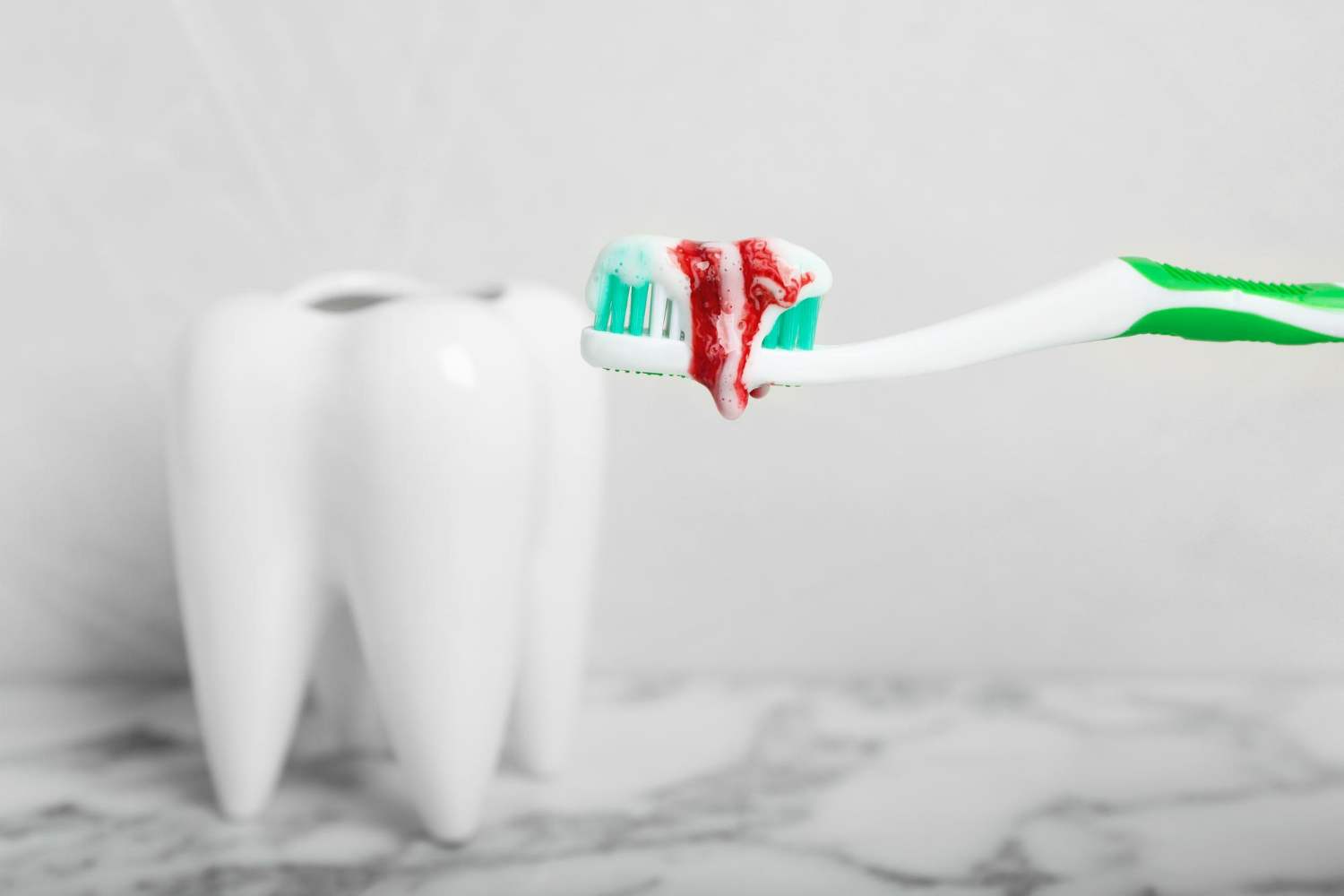
Bleeding gums are often overlooked, yet they can signal serious underlying health issues. In this article, you'll learn what gum bleeding is, its causes, treatment options, and prevention strategies. You'll also discover the potential consequences of ignoring bleeding gums and when you should see a dentist.
1. What Is Bleeding Gums?
Bleeding gums is the general term for bleeding that occurs in the delicate gum tissue. Under normal circumstances, healthy gums do not bleed during brushing or flossing. However, if you experience gum bleeding, it usually indicates an underlying health problem.
This bleeding occurs in the delicate tissues of the gums and can sometimes be noticed when brushing your teeth or using dental floss. Bleeding gums can be a symptom of various conditions related to gum health and should not be ignored.
2. What Causes Bleeding Gums?
Bleeding gums can occur due to various factors. In particular, deficiencies in vitamins C and K can negatively affect gum health and increase the risk of bleeding. Smoking affects gum health, increasing the risk of bleeding and causing gums to become more sensitive.
Gum diseases such as gingivitis (gum inflammation) and periodontitis (inflammation of the gums and surrounding tissues) can cause bleeding in the gums. In individuals with diabetes, uncontrolled blood sugar levels can affect gum health.
People with blood clotting disorders such as hemophilia may experience more frequent gum bleeding. Factors such as inadequate tooth brushing, not using dental floss, or not attending regular dental checkups can lead to bleeding gums. In people with weakened immune systems, gum problems are more common.
3. Treatment Options for Bleeding Gums
Professional treatment for bleeding gums is carried out according to a dentist's recommendation. Treatment methods can vary depending on the underlying causes of the bleeding and the patient's overall health condition. Some professional methods used to treat bleeding gums include:
-
- Dental Scaling: One of the common causes of bleeding gums is tartar buildup. Tartar is a hard layer formed by plaque and minerals accumulated on the teeth. The dentist uses special instruments to clean the tooth surfaces and gums, removing the tartar. This can help reduce gum bleeding and improve gum health.
- Gum Surgery: In advanced gum diseases, surgical intervention may be necessary. Gum surgery can involve correcting the gums, cleaning deep pockets, and bone regeneration. These surgical procedures are performed to restore gum health and prevent progressive gum problems.
- Antibacterial Medications: The dentist may prescribe antibacterial medications to control and treat gum infections. This can reduce inflammation in the gums and help decrease bleeding.
- Gum Regeneration Treatments: In cases of gum recession or gum damage, gum regeneration treatments can be applied. These treatments may include surgical interventions performed to restore the aesthetic appearance and function of the gums.
- Counseling on Gum Health: The dentist can provide counseling to the patient on improving regular tooth brushing, flossing, and oral hygiene habits.
Treatment for bleeding gums can vary depending on the patient's condition and the severity of the gum problem. Therefore, a dentist should be consulted to determine appropriate treatment options.
4. How to Prevent Bleeding Gums Without Going to the Dentist?
To control and prevent bleeding gums at home, regular oral hygiene habits and some home care methods can be applied. Brush your teeth regularly, preferably morning and night. While brushing, you can gently massage your gums with gentle movements to increase blood circulation.
Use dental floss to clean plaque and debris between your teeth. This helps keep your gums healthy and prevents bleeding. By using antibacterial mouthwashes, you can kill bacteria and germs in your mouth and maintain gum health. You can get recommendations from your dentist for products to use for your oral hygiene.
Adopting a healthy and balanced eating habit positively affects your gum health. Consuming fruits and vegetables containing vitamins C and K, in particular, can help strengthen your gums.
Smoking and excessive alcohol consumption can negatively affect gum health and cause increased bleeding. Stress can increase the risk of bleeding in the gums. You can reduce your stress level by applying stress management techniques and protect your gum health.
Visiting your dentist regularly is crucial for monitoring your gum health and intervening early. You can apply these home care methods regularly to prevent bleeding gums and maintain gum health.
5. What Can Happen If Bleeding Gums Are Neglected?
When bleeding gums are neglected, they can lead to serious gum problems and more general health issues. Some negative consequences of neglected gum bleeding can include:
-
- Progression of Gum Diseases: Bleeding gums can be a symptom of gum diseases (for example, gingivitis or periodontitis). Neglected bleeding can lead to the progression of gum diseases and more serious health problems.
- Tooth Loss: As gum diseases progress, the supporting tissues of the teeth, including bone and gums, can be damaged.
- Bone Loss: Progressive gum diseases can cause damage to the jawbone and bone loss. This condition can affect the stability of teeth and alter jaw structure.
- Bad Breath: Neglected gum bleeding and gum diseases can cause bad breath. Gum inflammation and infections can lead to the proliferation of foul-smelling bacteria in the mouth and an increase in bad breath.
- General Health Problems: Gum diseases have been linked to other health problems such as heart disease, diabetes, and respiratory infections. Neglected gum bleeding can increase the risk of such general health problems.
- Pain and Discomfort: Progressive gum diseases can cause pain and discomfort. Gum inflammation and infections can lead to various discomforts.
When bleeding gums are neglected, the risk of gum disease progression and the emergence of general health problems increases. Early intervention can help prevent serious consequences.
6. When Should You See a Dentist for Bleeding Gums?
If you are experiencing bleeding gums, you are advised to see a dentist in the following situations:
-
- If gum bleeding lasts longer than a week
- If gum bleeding is severe
- If there is redness, swelling, or pain in the gums
- If you notice gum recession
Bleeding gums can be a symptom of serious gum disease.
7. What Should You Do to Avoid Bleeding Gums?
To avoid bleeding gums, you should pay attention to your oral hygiene. You should brush your teeth adequately and use dental floss. You can be careful not to miss your dental appointments and adopt a healthy diet. Bleeding gums are one of the earliest signs of gum disease. If you are experiencing bleeding gums, you are advised to see your dentist without delay to identify the underlying cause and receive treatment.
