
Your Child's Baby Tooth Is Decayed: Don't Say "It'll Fall Out Anyway"
"It's just a baby tooth, it'll fall out anyway, why bother treating it?" This sentence is perhaps one of the most common phrases parents in Turkey say. And every time, it breaks pediatric dentists' hearts.

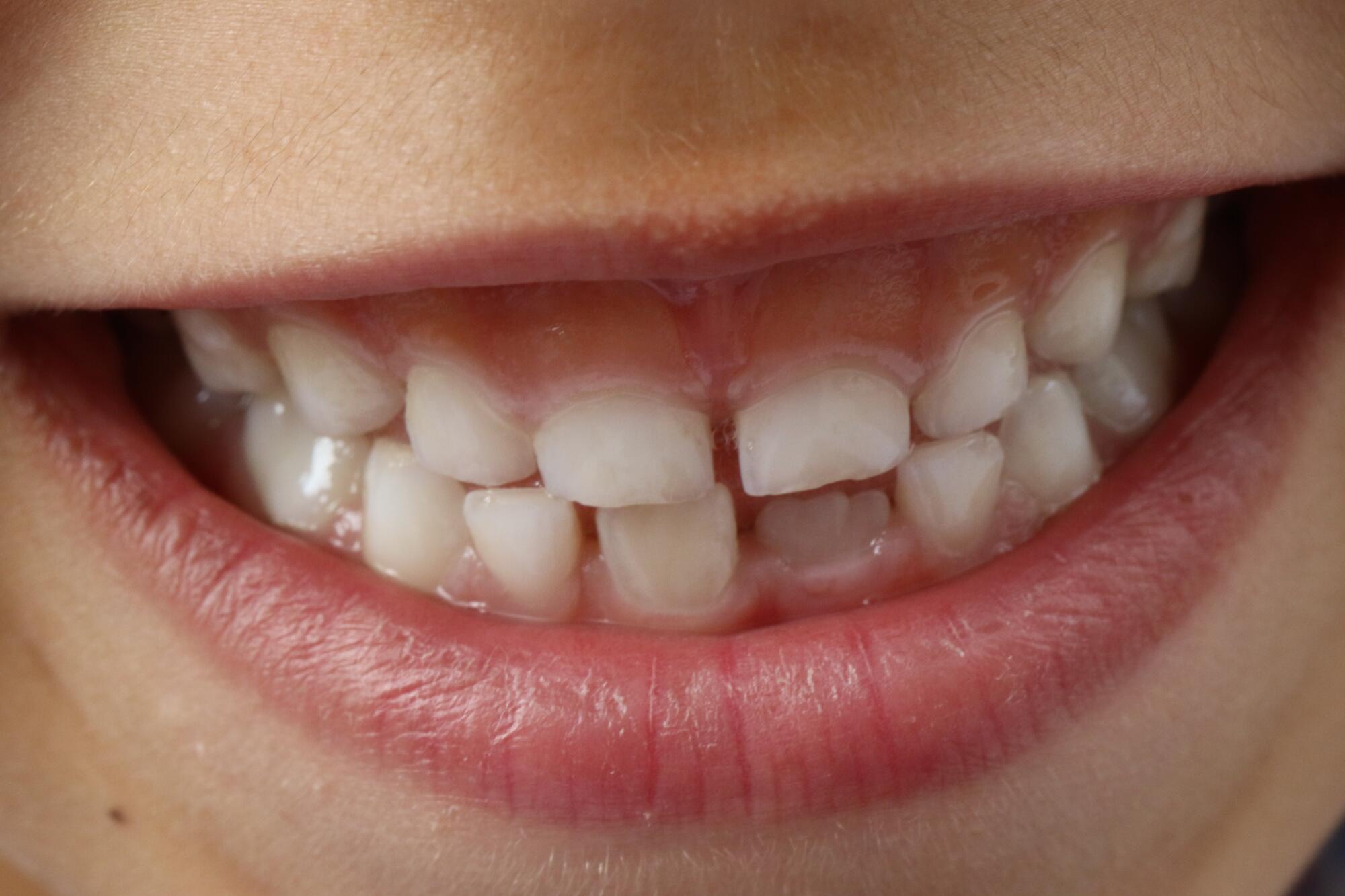
"It's just a baby tooth, it'll fall out anyway, why bother treating it?" This sentence is perhaps one of the most common phrases parents in Turkey say. And every time, it breaks pediatric dentists' hearts.
Because even though a baby tooth may seem like a temporary visitor, it has a vital role in your child's oral health. Not treating a decayed baby tooth, ignoring it with the logic that "it'll fall out anyway," means putting the permanent tooth that will come in underneath and your child's jaw development at risk.
A baby tooth is not just a temporary tooth. It holds space for permanent teeth, provides chewing function, contributes to speech development, and protects the developing permanent tooth bud underneath. Losing it prematurely leads to a chain of problems.
Why Are Baby Teeth So Important?
Baby teeth serve as space holders for permanent teeth. Each baby tooth protects the space where the permanent tooth underneath will erupt. When a baby tooth is lost prematurely, the adjacent teeth shift toward the gap and there isn't enough room left for the permanent tooth coming from below. The result: crowding, bite problems, and the need for orthodontic treatment later.
Baby teeth provide chewing function. Your child's healthy nutrition depends on being able to chew food properly. A child eating with decayed or painful teeth avoids certain foods and their nutritional balance is disrupted.
Speech development is also directly related to baby teeth. Sounds like "S", "T", "D", "F" are produced through the interaction of the tongue and lips with the teeth. Early tooth loss can lead to speech disorders.
Does Baby Tooth Decay Affect Permanent Teeth?
Yes, it directly affects them. If tooth decay in children is left untreated, the infection progresses to the root tip of the baby tooth. Right below the root tip of the baby tooth sits the developing permanent tooth bud. When the infection reaches this bud, it can cause enamel defects (hypoplasia), discoloration, and even developmental anomalies in the permanent tooth.
Did you know? An untreated baby tooth infection can cause permanent damage to the permanent tooth underneath. This damage leads to stains and structural defects that the child will carry on their permanent tooth for life.
How Is Baby Tooth Treatment Done?
Baby tooth treatment is performed with different protocols than permanent tooth treatment. Pediatric dentists (pedodontists) plan treatment knowing these differences.
For early-stage decay, a baby tooth filling is placed. Baby tooth fillings are typically made with fluoride-releasing materials like compomer or glass ionomer. These materials reduce the risk of decay recurrence. You can check the cost of this treatment on our baby tooth filling cost calculator page.
If the decay has progressed and is close to the pulp, a procedure called pulpotomy is performed. In this procedure, the infected upper part of the pulp is removed, the lower part is preserved, and the tooth's vitality is maintained. If the decay has progressed further and affected the entire pulp, a baby tooth root canal treatment (pulpectomy) is performed. You can get details from our pediatric root canal cost calculator page.
A stainless steel crown (cap) may be placed on top of the treated baby tooth to increase the tooth's durability. These crowns are especially effective in posterior baby teeth after large decay restorations.
Dental Sealants: Prevention Before Decay Occurs
Just as important as treating decay is preventing it before it forms. Dental sealant application is one of the most effective ways to do this.
Your child's posterior teeth have deep grooves (fissures) on their chewing surfaces. These grooves can be so narrow and deep that toothbrush bristles cannot reach them. Food particles and bacteria accumulate in these grooves and decay begins.
When should dental sealants be applied? They should be applied immediately when the 6-year molars (first permanent molars) erupt. The procedure is painless, requires no anesthesia, and is completed in a few minutes. It's a smart investment that prevents future filling, root canal, and crown costs.
You can get information from our dental sealant cost calculator page.
If a Baby Tooth Is Lost Prematurely
Sometimes despite treatment, the baby tooth cannot be saved and extraction is necessary. Or the parent delays treatment and the tooth must be extracted due to infection. In this case, the most important thing to do is space maintainer application.
A space maintainer protects the gap left by the extracted baby tooth and prevents adjacent teeth from shifting. This way, the permanent tooth coming from below can erupt comfortably into the space reserved for it. If a space maintainer is not applied, adjacent teeth shift into the gap and the permanent tooth either comes in crooked or remains impacted. In both cases, orthodontic treatment later becomes inevitable.
Pediatric Dentist or General Dentist?
Baby tooth treatment requires different materials, different techniques, and a different communication approach than adult treatment. Pediatric dentists (pedodontists) are dentists who have completed 4 years of specialty training in this field.
A pedodontist uses age-appropriate communication techniques, transforms treatment into a non-traumatic experience, and positively influences the child's future dental experiences.
When Should You Take Your Child to the Dentist?
The first dental exam should be done when the first baby tooth erupts or by the first birthday at the latest. When you notice discoloration, spots, fractures, or sensitivity on the teeth, don't wait. If your child is complaining about their teeth, refusing to eat, or has a swollen cheek, make an urgent appointment.
How Do You Build Your Child's Dental Care Habits?
Cleaning should begin from the moment the first tooth appears. From age 2, a children's toothbrush and fluoride toothpaste appropriate for children should be used. Until age 6, brushing should be done under parental supervision.
The frequency of sugary foods and drinks should be kept under control. Eating sugary snacks intermittently throughout the day keeps the mouth in a constantly acidic environment and multiplies the risk of decay.
Sleeping with a bottle of milk or fruit juice before bed at night leads to a common condition called "baby bottle tooth decay." The nighttime bottle should contain only water.
Conclusion
Don't say "it'll fall out anyway." Under that baby tooth, a permanent tooth that your child will use for a lifetime is growing. Protecting the baby tooth is actually protecting the permanent tooth. The cost of a small filling is very modest compared to the orthodontic treatment that will be needed later.
Do you have concerns about your child's teeth?
Send a photo, and our pediatric dentist will do the initial assessment for you.
Get Online AssessmentThis content is prepared for informational purposes. It absolutely does not replace a physician's examination and personal evaluation.
