


Space Maintainer
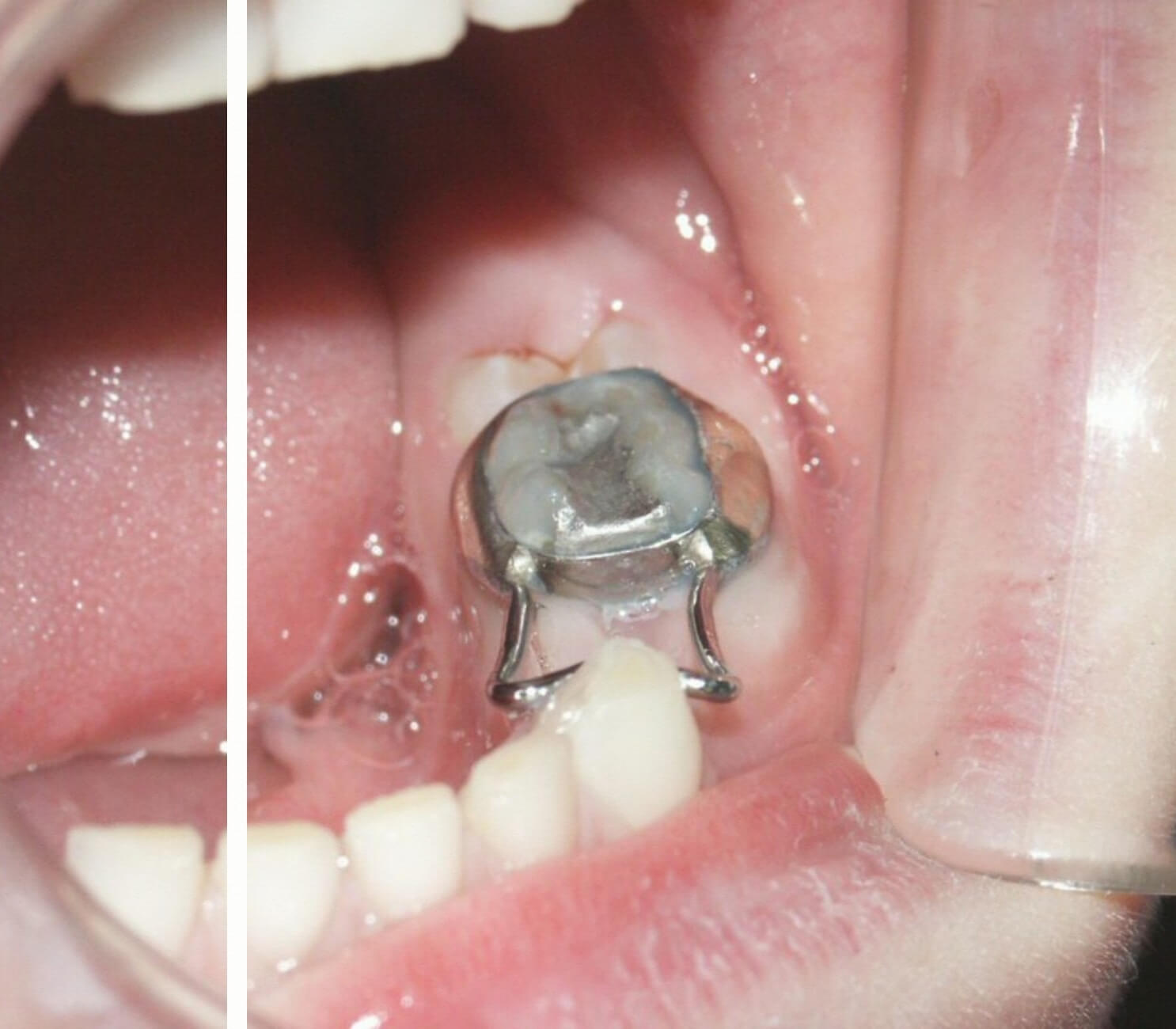
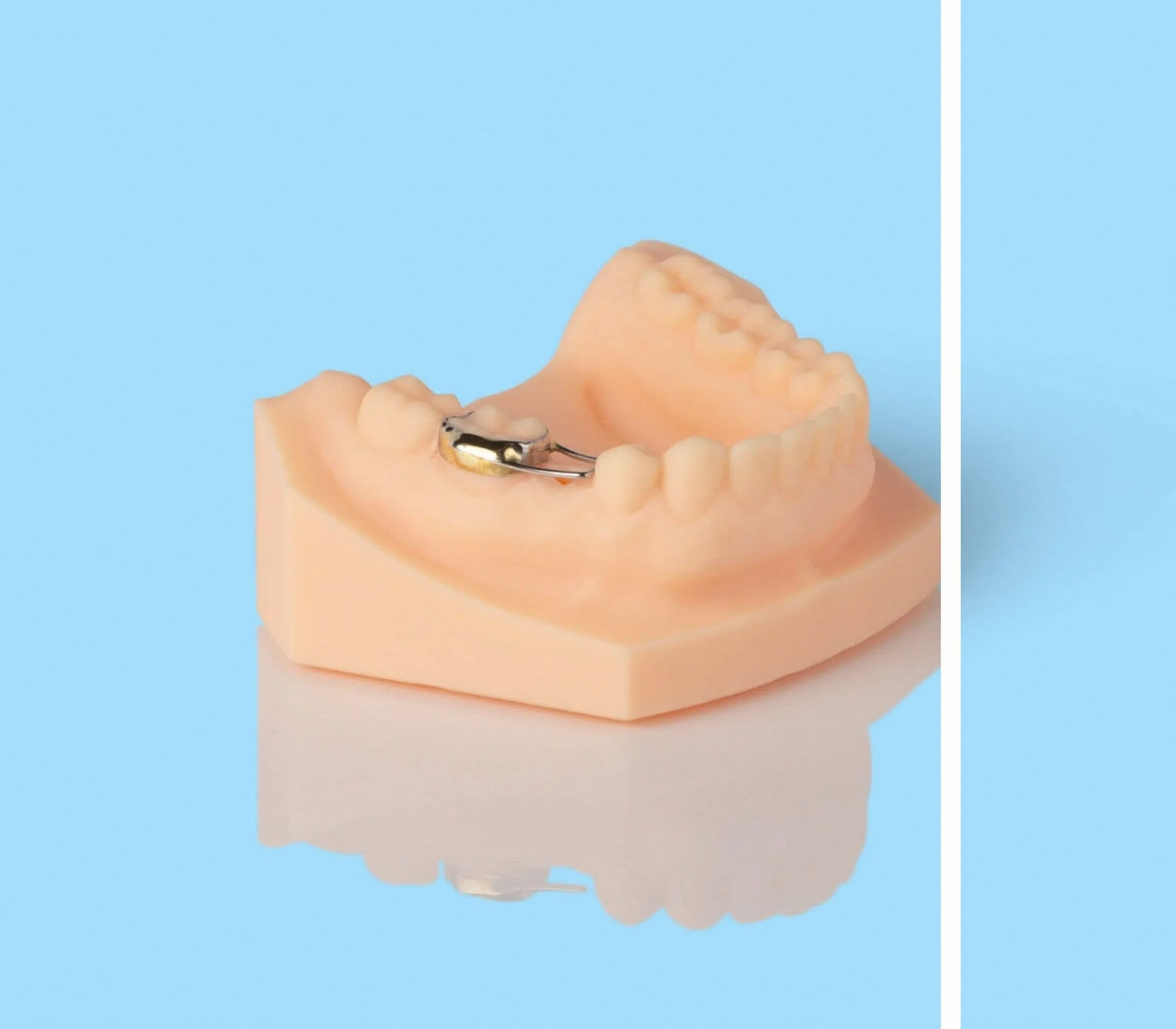
An appliance designed to preserve the space left by a prematurely lost primary tooth, helping maintain the room needed for the healthy eruption of the permanent tooth.
Preserve the Space Needed for Permanent Teeth
Primary teeth are not merely temporary teeth; they guide the permanent teeth coming from below and help preserve the necessary space. When a primary tooth is lost early, neighboring teeth can shift into the gap. This can make it difficult for the permanent tooth to erupt later and increase the risk of crowding. Space maintainer treatment is an important preventive measure aimed at preserving this space.
Every patient's oral structure, bone condition, expectations, and needs are different. That is why we plan the treatment process on a custom basis after a detailed evaluation, rather than using a standard template.
Before treatment, we thoroughly examine the current condition through clinical examination and necessary imaging. This allows us to make each stage of the process clearer, more controlled, and more predictable.
We value our patients being clearly informed about the process, stages, and possible details before starting treatment. Our goal is to make the decision-making process more understandable and reassuring.
We believe that the treatment process is about patient experience as well as clinical outcomes. That is why we prioritize regular follow-ups and patient comfort during the planning, application, and follow-up stages.
What Is a Space Maintainer?
A space maintainer is a fixed or removable appliance used to preserve the gap left after the early loss of a primary tooth. These appliances help prevent neighboring teeth from shifting into the space. The goal is to preserve the area needed for the permanent tooth coming from below. Whether a space maintainer is necessary after every early primary tooth loss is determined through examination.
If the gap left by an early lost primary tooth is not preserved, neighboring teeth can shift into this area. This can lead to insufficient space for the permanent teeth.
No. The necessity is evaluated based on the child's age, the location of the missing tooth, and the eruption status of the underlying permanent tooth.
Depending on the case, either fixed or removable space maintainers can be preferred. The most suitable option is determined after examination.
Make the Right Preventive Plan with a Detailed Evaluation
The most important aspect of space maintainer treatment is properly evaluating whether there is a real risk of space loss. In some children, the permanent tooth can erupt healthily even without preserving the gap after early primary tooth loss, while in other cases the space can narrow very quickly. For this reason, early evaluation is of great importance.
- The area of the missing primary tooth is carefully examined.
- The development of the underlying permanent tooth is evaluated.
- The risk of space loss is analyzed.
- The appropriate space maintainer type is planned specifically for the child.
Why Is a Space Maintainer Necessary?
Primary teeth serve not only for chewing and speaking, but also to guide the permanent teeth coming from below. When a primary tooth is lost prematurely, the teeth on either side of the gap slowly shift toward it. The tooth in the opposing jaw also begins to elongate as it lacks support. These shifts narrow or completely close the space where the permanent tooth is supposed to erupt.
When the space closes, the permanent tooth either remains impacted or erupts in the wrong position (rotated, tilted, or through the palate). The result: crowding, impacted teeth, and the need for longer, more complex orthodontic treatment. A space maintainer appliance prevents this chain of events with a simple and early intervention.
What Happens If a Space Maintainer Is Not Placed?
In gaps left without a space maintainer, space loss typically becomes noticeable within the first 6 months. As neighboring teeth shift, the resulting crowding may later require Invisalign, Invisalign First, or braces. A problem that could be prevented with a simple space maintainer can turn into months of orthodontic treatment if not addressed in time.
Fixed and Removable Space Maintainers
Space maintainers come in two types: fixed and removable. Fixed space maintainers are cemented to the adjacent tooth with a band and cannot be removed by the child. They are frequently preferred for single-sided tooth loss. Removable space maintainers are appliances that the child can take in and out, and may be planned for multiple tooth loss or when there are aesthetic concerns in the front region.
Which type of space maintainer is appropriate is determined based on the location of the lost tooth, the child’s age, and the expected eruption time of the permanent tooth.
How Long Does a Space Maintainer Stay In?
A space maintainer remains in the mouth until the permanent tooth begins to erupt. This period can range from a few months to a few years. When the permanent tooth begins to erupt, the space maintainer is removed. The appliance condition and permanent tooth development are monitored through regular pediatric dentistry check-ups.
Preventing the Need for a Space Maintainer
The most common reason for needing a space maintainer is neglected primary tooth cavities. When decay is detected early, it is treated with a filling and the tooth is preserved in the mouth. In advanced cases, the tooth is attempted to be saved through pulpotomy or baby tooth root canal treatment. If all these treatments fail, baby tooth extraction is performed followed by space maintainer placement. Preventing cavities before they even start with dental sealants is the most ideal preventive approach.
Frequently Asked Questions
We have compiled the questions we receive about this treatment and answered them as openly and transparently as possible.
It is placed to preserve the gap left by an early lost primary tooth and to help prevent the space needed for the permanent tooth from narrowing.
No. The necessity is evaluated based on the child's age, the location of the tooth, and the development of the permanent tooth.
There may be a slight adjustment period in the first few days. However, it is not expected to cause significant discomfort. If discomfort persists, a check-up is needed.
This period varies depending on the eruption time of the underlying permanent tooth. It is monitored through regular check-ups.
Recommendations may vary depending on the type of space maintainer used. The usage and care instructions given by the dentist should be followed.
In some children, no issues may develop; however, in some cases, neighboring teeth can shift into the gap and space shortage may occur later. This risk is evaluated through examination.
Our Dentists
Meet our expert dentists.



Content Information
This page was prepared by the Dore Medical Editorial Board and medically reviewed by Dr. Merve Özkan Akagündüz, DDS, MSc.