


Primary Tooth Extraction
Safe extraction of primary teeth that cannot be preserved with treatment, using child-appropriate techniques. In cases of early tooth loss, a space maintainer may be used to support the healthy eruption of the permanent teeth.
Protect Your Child's Oral Health with Confidence
Although primary teeth are temporary, they play a significant role in children’s oral development. In some cases, a primary tooth may not fall out on its own during the natural process, or extraction may be necessary due to decay, infection, pain, or space shortage. Primary tooth extraction performed with proper evaluation helps improve the child’s comfort and supports the eruption process of the permanent teeth coming from below.
Every patient's oral structure, bone condition, expectations, and needs are different. That is why we plan the treatment process on a custom basis after a detailed evaluation, rather than using a standard template.
Before treatment, we thoroughly examine the current condition through clinical examination and necessary imaging. This allows us to make each stage of the process clearer, more controlled, and more predictable.
We value our patients being clearly informed about the process, stages, and possible details before starting treatment. Our goal is to make the decision-making process more understandable and reassuring.
We believe that the treatment process is about patient experience as well as clinical outcomes. That is why we prioritize regular follow-ups and patient comfort during the planning, application, and follow-up stages.
What Is Primary Tooth Extraction?
Primary tooth extraction is the controlled removal of primary teeth that have not fallen out despite reaching their natural shedding time, that are severely decayed or infected, or that are blocking the eruption of the permanent tooth coming from below. Extraction is not required for every primary tooth; the decision is made by evaluating the child's age, the condition of the tooth, and the development of the underlying permanent tooth.
Extraction may be necessary due to advanced decay, infection, pain, a primary tooth that is not loosening and is blocking the permanent tooth below, or for orthodontic reasons.
No. Not every decayed primary tooth is extracted. In some cases, a filling, root canal treatment, or monitoring may be sufficient. The final decision is made after examination.
In some cases, there may be a risk of space loss after early extraction. For this reason, the extraction decision and subsequent follow-up are important.
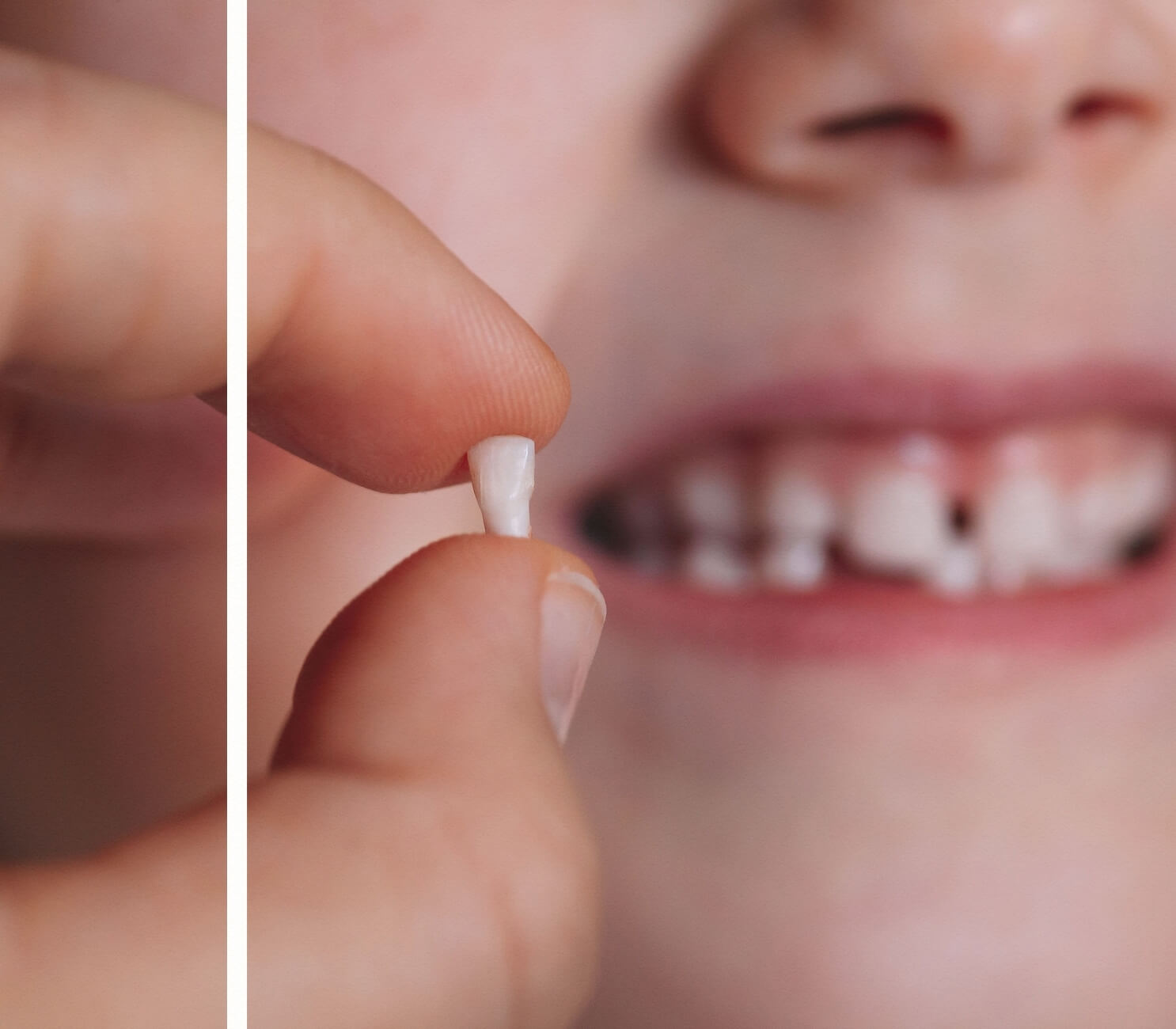
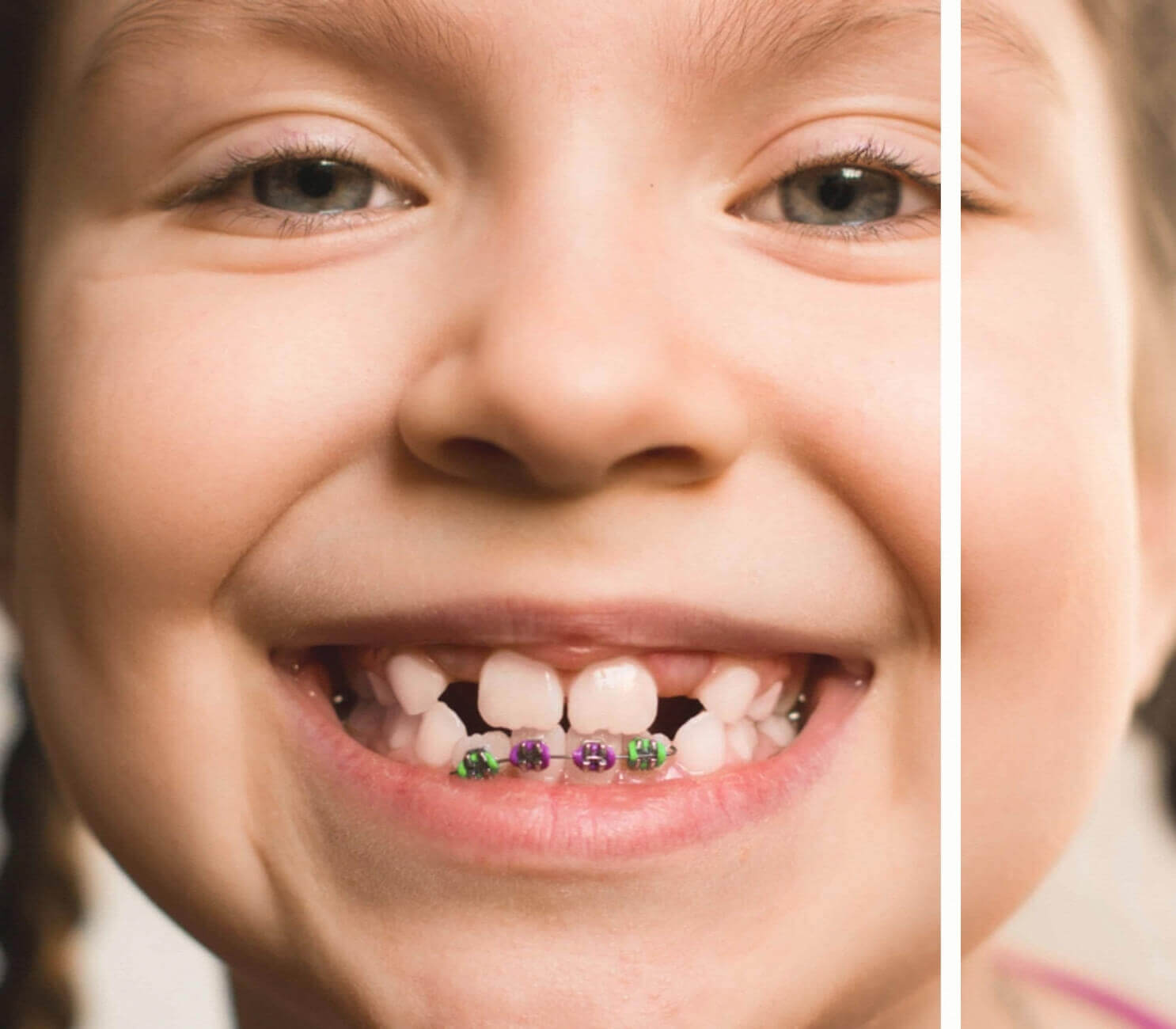
Plan the Right Timing with a Detailed Evaluation
One of the most important aspects of primary tooth extraction is correctly determining whether extraction is truly necessary. Because while some primary teeth can be preserved, others should be extracted to reduce the child’s pain and support the healthy eruption of permanent teeth. For this reason, both the primary tooth and the underlying permanent tooth are carefully evaluated before treatment.
- The decay and infection status of the primary tooth is examined.
- If necessary, the underlying permanent tooth is evaluated with an X-ray.
- The timing of extraction is planned according to oral development.
- When needed, the need for a space maintainer is also evaluated.
When Is Primary Tooth Extraction Necessary?
At Doredent, the fundamental approach in pediatric dental treatment is to keep the primary tooth in the mouth as long as possible. For initial cavities, baby tooth filling is performed, and when decay has advanced deeper, the goal is to keep the tooth in the mouth through pulpotomy treatment. However, in some cases the tooth can no longer be saved and extraction becomes the best option:
Extraction is planned when the tooth structure is completely compromised due to advanced decay, when infection cannot be controlled despite pulpotomy treatment, when an abscess forms threatening the underlying permanent tooth bud, or when the primary tooth has not shed on time and is blocking the eruption of the permanent tooth.
Consequences of Early Primary Tooth Loss
Primary teeth serve not only for chewing and speaking but also to guide the permanent teeth. When a primary tooth is lost prematurely, neighboring teeth shift toward the gap and the space for the permanent tooth to erupt narrows. This creates the groundwork for orthodontic problems such as crowding, impacted teeth, or teeth erupting in the wrong position.
For this reason, a space maintainer appliance is placed in cases of early extraction. The space maintainer prevents the teeth on either side of the gap from shifting and preserves the space needed for the permanent tooth to erupt healthily.
Post-Extraction Process in Children
Primary tooth extraction in children is generally a simple and short procedure. Local anesthesia ensures the child does not feel pain. After extraction, consuming soft foods for a few hours and protecting the area is sufficient.
If the permanent tooth is nearly ready to erupt in the extraction area, a space maintainer may not be needed. This evaluation is done with an X-ray. If there is a long time before the permanent tooth erupts, a space maintainer is always planned.
Preventing Extraction with Regular Check-ups
The vast majority of primary tooth cavities are caught early through regular pediatric dentistry check-ups and treated with a simple filling. When check-ups are neglected, decay advances and treatment options narrow. A dental check-up every 6 months is the most effective way to protect your child’s oral health.
For orthodontic problems detected during childhood, early intervention can be done with Invisalign First. Space loss and crowding risk due to early tooth loss are brought under control with timely orthodontic evaluation.
Frequently Asked Questions
We have compiled the questions we receive about this treatment and answered them as openly and transparently as possible.
When necessary, the procedure is planned with local anesthesia and the child's comfort is ensured. There may be slight sensitivity after the procedure.
In most cases, it is completed in a short time. However, the duration may vary depending on the condition of the tooth and the child's cooperation.
There may be slight oozing-type bleeding after the procedure. It is important to follow the gauze and care instructions recommended by the dentist.
This depends on the development and eruption status of the underlying permanent tooth. It does not progress the same way in every child.
No. Many primary teeth can fall out on their own through the natural process. Whether intervention is needed is determined after examination.
In some cases, yes. Especially when there is a long time before the permanent tooth comes in, it may be considered to prevent space loss.
Our Dentists
Meet our expert dentists.



Content Information
This page was prepared by the Dore Medical Editorial Board and medically reviewed by Dr. Merve Özkan Akagündüz, DDS, MSc.