


Primary Tooth Filling
Early treatment of decay in primary teeth helps preserve the tooth in the mouth. Treating cavities in time is one of the most effective ways to prevent future extractions and orthodontic problems.
Protect Your Child's Oral Health with Confidence
Although primary teeth are temporary, they play a significant role in children’s oral development. In some cases, a primary tooth may not fall out on its own during the natural process, or extraction may be necessary due to decay, infection, pain, or space shortage. Primary tooth extraction performed with proper evaluation helps improve the child’s comfort and supports the eruption process of the permanent teeth coming from below.
Every patient's oral structure, bone condition, expectations, and needs are different. That is why we plan the treatment process on a custom basis after a detailed evaluation, rather than using a standard template.
Before treatment, we thoroughly examine the current condition through clinical examination and necessary imaging. This allows us to make each stage of the process clearer, more controlled, and more predictable.
We value our patients being clearly informed about the process, stages, and possible details before starting treatment. Our goal is to make the decision-making process more understandable and reassuring.
We believe that the treatment process is about patient experience as well as clinical outcomes. That is why we prioritize regular follow-ups and patient comfort during the planning, application, and follow-up stages.
What Is a Primary Tooth Filling?
A primary tooth filling is the process of cleaning a primary tooth damaged by decay and restoring it with an appropriate filling material. This treatment can help preserve the tooth in the mouth without extraction. The same approach is not applied to every decayed primary tooth; the decision is made based on the depth of the decay, the remaining tooth structure, and the child's overall oral condition.
Yes. In suitable cases, fillings can be done on primary teeth, and it is a very commonly performed treatment.
Because primary teeth are important for chewing, speaking, and maintaining space for permanent teeth. Their early loss can lead to various problems.
No. In some cases, the decay may be too advanced and different treatments may be needed. The final decision is made after examination.
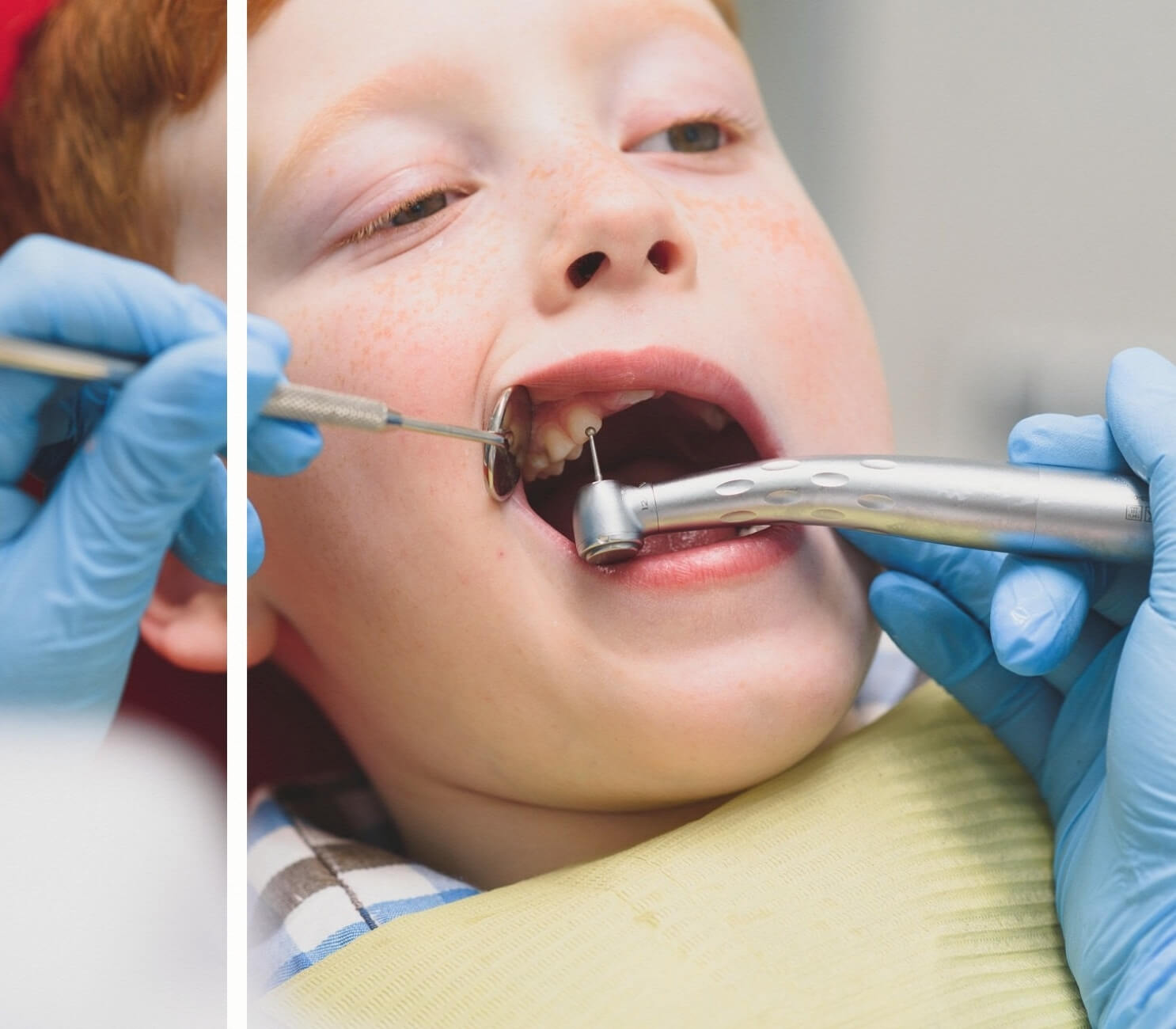
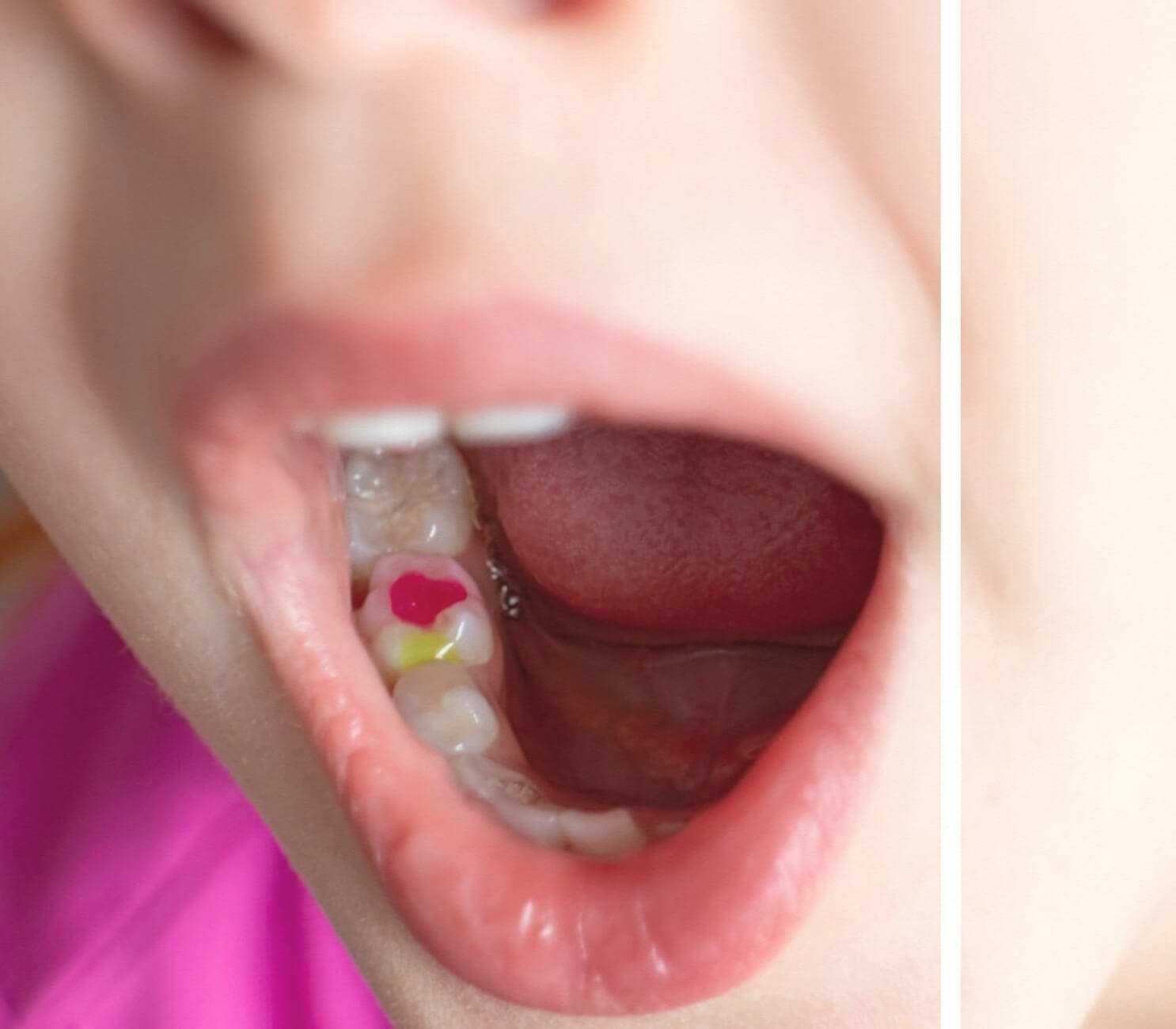
Plan the Right Treatment for Your Child with a Detailed Evaluation
The most important aspect of a primary tooth filling is properly evaluating how far the decay has progressed and whether the tooth can be preserved. Because while some primary teeth can be treated with a simple filling, other cases may require different approaches. For this reason, a careful examination before treatment is of great importance.
- The depth of the decay and the condition of the tooth are examined.
- If necessary, a supplementary X-ray evaluation is performed.
- Planning is created according to the child’s age and cooperation level.
- The goal is to keep the tooth in the mouth in the healthiest condition possible.
The “It Will Fall Out Anyway” Misconception
This is the most common statement we hear from parents regarding primary tooth cavities. However, the time primary teeth need to stay in the mouth varies between ages 6 and 12. The back primary molars remain in the mouth until ages 10-12. This means a back primary tooth that develops a cavity at age 4 still needs to function for another 6-8 years. A cavity left untreated during this period can lead to serious consequences.
Consequences of Untreated Primary Tooth Decay
A neglected primary tooth cavity endangers not only that tooth but also the permanent tooth bud underneath. When the decay progresses to reach the nerve tissue of the tooth, infection develops. This infection can spread through the bone, damaging the enamel structure of the permanent tooth or disrupting its eruption direction.
When decay is detected at an early stage, it is treated with a simple filling. When it is allowed to progress, pulpotomy treatment becomes necessary. If pulpotomy also fails, the last option is primary tooth extraction. At each stage, treatment complexity and the discomfort experienced by the child increase.
Primary Tooth Loss and Orthodontic Consequences
Neighboring teeth shift into the gap left by a prematurely lost primary tooth, and the space for the permanent tooth to erupt narrows. This leads to crowding and tooth alignment disorders in the future. A filling done in time stops this chain of events before it begins.
When orthodontic problems are detected early, intervention can be done during childhood with Invisalign First or braces. However, the best orthodontic treatment is the preventive approach that ensures it is never needed at all.
To Protect Your Child’s Teeth
Regular pediatric dentistry check-ups ensure that cavities are detected while still in their initial stages. Check-ups every 6 months, fluoride application, and preventive procedures like dental sealants significantly reduce the risk of cavities.
A child’s fear of the dentist is one of the most common reasons for delaying treatment. At Doredent, our pediatric dentistry (pedodontics) specialist aims to make the treatment process as comfortable and fear-free as possible with approaches appropriate to the child’s age and psychology.
Frequently Asked Questions
We have compiled the questions we receive about this treatment and answered them as openly and transparently as possible.
In suitable cases, yes. Because the early loss of primary teeth can affect oral development.
Treatment is planned with the child's comfort in mind. Local anesthesia can be applied when necessary.
This varies depending on the child's age, the tooth's shedding time, and the condition of the filling. It should be monitored through regular check-ups.
No. Some cavities may be deeper and require different treatments.
If there is numbness after the procedure, caution should be taken until the effect wears off. The dentist's recommendations should be followed.
In suitable cases, preserving the tooth is generally more advantageous. However, which approach is correct is determined through examination.
Our Dentists
Meet our expert dentists.



Content Information
This page was prepared by the Dore Medical Editorial Board and medically reviewed by Dr. Merve Özkan Akagündüz, DDS, MSc.