


Fluoride Treatment
A professional fluoride treatment that strengthens the tooth enamel and increases resistance to decay. One of the simplest and most effective ways to reduce the risk of cavities in both children and adults.
Strengthen Your Teeth Against Cavities with Fluoride Treatment
Taking preventive measures before a cavity forms is just as important as treating one afterward. Fluoride treatment is a preventive approach that helps increase resistance against acid attacks by supporting the tooth enamel. It can be considered especially in children, in newly erupted permanent teeth, in individuals with frequent cavities, or in situations where the enamel structure needs additional support. The goal is to support oral care and contribute to reducing the risk of cavities.
The child's or patient's cavity history, oral hygiene habits, and enamel condition are evaluated to determine whether professional fluoride application is beneficial.
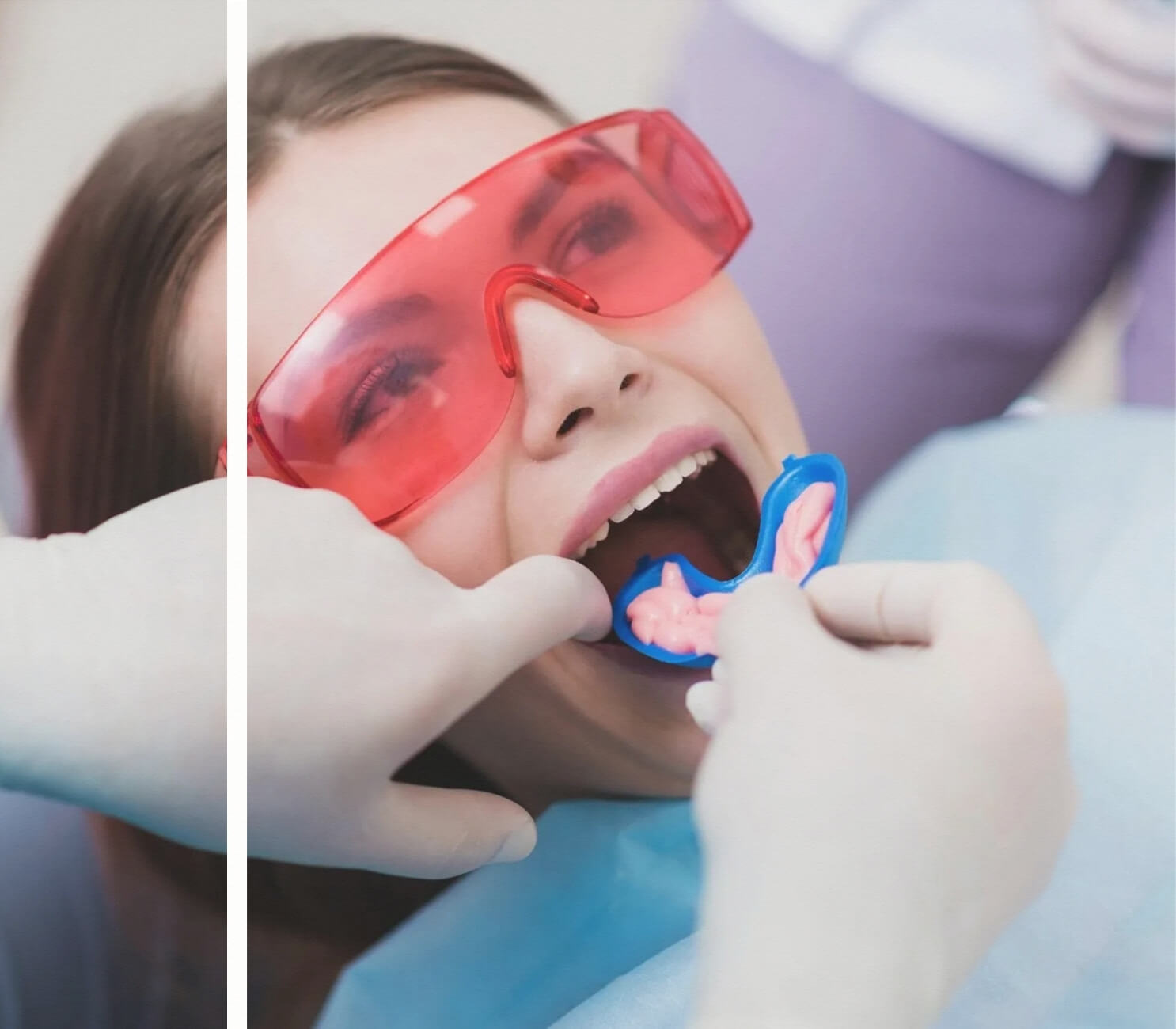
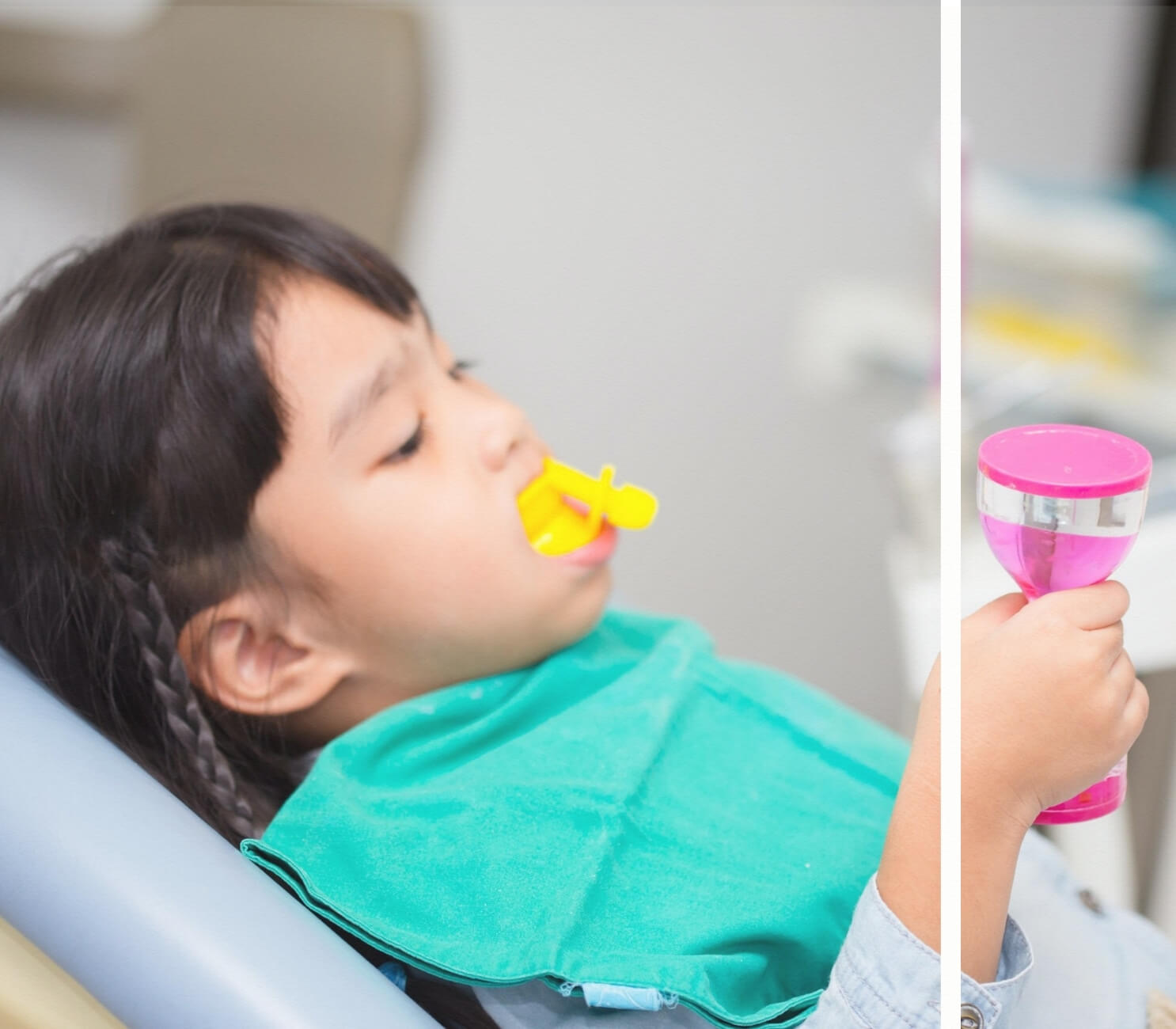
Fluoride is applied in gel, foam, or varnish form directly to the tooth surfaces. The entire process takes just a few minutes with no discomfort.
Fluoride application is typically performed during regular 6-month dental check-ups, making it a seamless part of the preventive care routine.
For children at high cavity risk, fluoride treatment is often paired with fissure sealants for maximum protection, covering both surface mineralization and groove sealing.
What Is Fluoride Treatment?
Fluoride treatment is a protective procedure professionally applied to the tooth surface. The goal is to help strengthen the tooth enamel and provide additional support against cavity formation. Although most commonly considered for children as a preventive measure, it can also be planned for different age groups with high cavity risk. The appropriate frequency and for whom it is suitable is determined after examination.
It can help support the tooth enamel, reduce cavity risk, and make teeth more resistant to acid effects.
No. Although most commonly considered for children, it can also be planned in suitable situations for adults with cavity risk.
No. Fluoride treatment is a preventive support. It does not replace treatments like fillings for teeth that already have cavities.
Plan Preventive Care Correctly with a Detailed Evaluation
The most important aspect of fluoride treatment is correctly determining which patients actually need additional preventive support. Because not every individual has the same cavity risk, oral care habits, and enamel structure. For this reason, cavity history, oral hygiene, dietary habits, and existing tooth structure should all be evaluated together before application.
- Cavity risk and oral care habits are evaluated.
- Newly erupted teeth and enamel structure are examined.
- The need for preventive support is determined on a custom basis.
- A regular check-up and follow-up plan is established.
How Does Fluoride Treatment Provide Protection?
Bacteria in the mouth ferment sugary foods to produce acid. These acids cause mineral loss (demineralization) from the tooth enamel. When mineral loss continues, the enamel weakens and cavities begin. Fluoride adheres to the enamel surface, supporting the recovery of lost minerals (remineralization) and making the enamel more resistant to acid attacks.
Professional fluoride application is significantly more effective than the fluoride in toothpaste because of its much higher concentration. The application takes a few minutes, is painless, and is applied to the teeth in gel, foam, or varnish form.
Fluoride and Fissure Sealant: The Preventive Duo
While fluoride treatment protects the entire tooth surface, fissure sealants physically seal the deep grooves of molar teeth. The two methods complement each other: fluoride provides mineralized protection, sealants create a mechanical barrier. For children at high cavity risk, applying both together offers the strongest protection.
Who Should Receive It and How Often?
Fluoride treatment is not exclusively for children. It is also applied to adults with high cavity risk, those with dry mouth (xerostomia), patients with exposed root surfaces due to gum recession, and patients undergoing orthodontic treatment.
During Invisalign or braces treatment, cavity risk increases. Cleaning around brackets becomes difficult and plaque buildup accelerates. Regular fluoride application during this period is important for enamel protection.
Application frequency is determined based on the patient’s cavity risk. For low-risk patients, every 6 months (during check-up appointments) is recommended; for high-risk patients, every 3 months.
The Value of Prevention
A few minutes of fluoride application can reduce the future need for more complex treatments such as fillings, root canal treatment, or tooth extraction. Together with regular pediatric dentistry check-ups, fluoride treatment is the most economical and effective way to protect your child’s oral health.
Frequently Asked Questions
We have compiled the questions we receive about this treatment and answered them as openly and transparently as possible.
It is performed to help support the tooth enamel and reduce the risk of cavity formation.
Yes. It can be important for preventive support especially in children with cavity risk and in newly erupted permanent teeth.
It is generally a very comfortable and easily tolerated preventive procedure.
This need can vary from person to person. It is planned with the dentist's recommendation based on cavity risk, age, and oral care level.
No. Fluoride treatment does not replace daily oral care; it is an additional preventive step that supports it.
The necessity is not the same for every child. Suitability is determined after cavity risk and intraoral evaluation.
Our Dentists
Meet our expert dentists.



Content Information
This page was prepared by the Dore Medical Editorial Board and medically reviewed by Dr. Merve Özkan Akagündüz, DDS, MSc.