


Tooth Extraction
The safe removal of teeth that cannot be preserved with treatment, along with proper planning for the space left behind. The goal is always to save the tooth first; if extraction is unavoidable, the next step should be managed in the best possible way.
Evaluate Problematic Teeth in a Controlled and Safe Manner with Tooth Extraction
Every tooth is first attempted to be preserved in the mouth; however, in some cases extraction may be the most appropriate approach. Tooth extraction may be necessary due to advanced cavities, fractures, infection, loosening, impacted structure, space deficiency, or orthodontic planning. The tooth extraction process is important not only for removing the tooth but also for making the right assessment before the procedure, proceeding in a controlled manner during the procedure, and properly managing healing afterward.
The tooth's condition, root structure, and surrounding tissues are examined with clinical evaluation and X-rays to confirm whether extraction is truly necessary or the tooth can be saved.
The procedure is performed under local anesthesia with patient comfort as a priority. Depending on the case, simple or surgical extraction techniques are used.
Aftercare instructions are provided to ensure proper clot formation and smooth healing. Socket preservation may be considered if implant placement is planned.
The gap from the extracted tooth is evaluated promptly. Implant, bridge, or orthodontic space closure options are discussed to prevent long-term complications.
What Is Tooth Extraction?
Tooth extraction is the controlled removal from the mouth of a tooth that cannot be preserved with treatment or that negatively affects overall oral health. There can be simple extractions or extraction types requiring more advanced planning. Which approach is appropriate is determined based on the tooth's clinical condition and radiological evaluation.
Tooth extraction can be considered in cases of advanced decay, serious fracture, infection, loose teeth, impacted teeth, orthodontic needs, or other situations that negatively affect oral health.
No. Extraction is not necessary for every painful tooth. Many teeth can be preserved with fillings or root canal treatment. The extraction decision is made after examination.
This varies depending on the area of the extracted tooth and the overall treatment plan. In some cases, implants, bridges, or other prosthetic solutions can be considered.
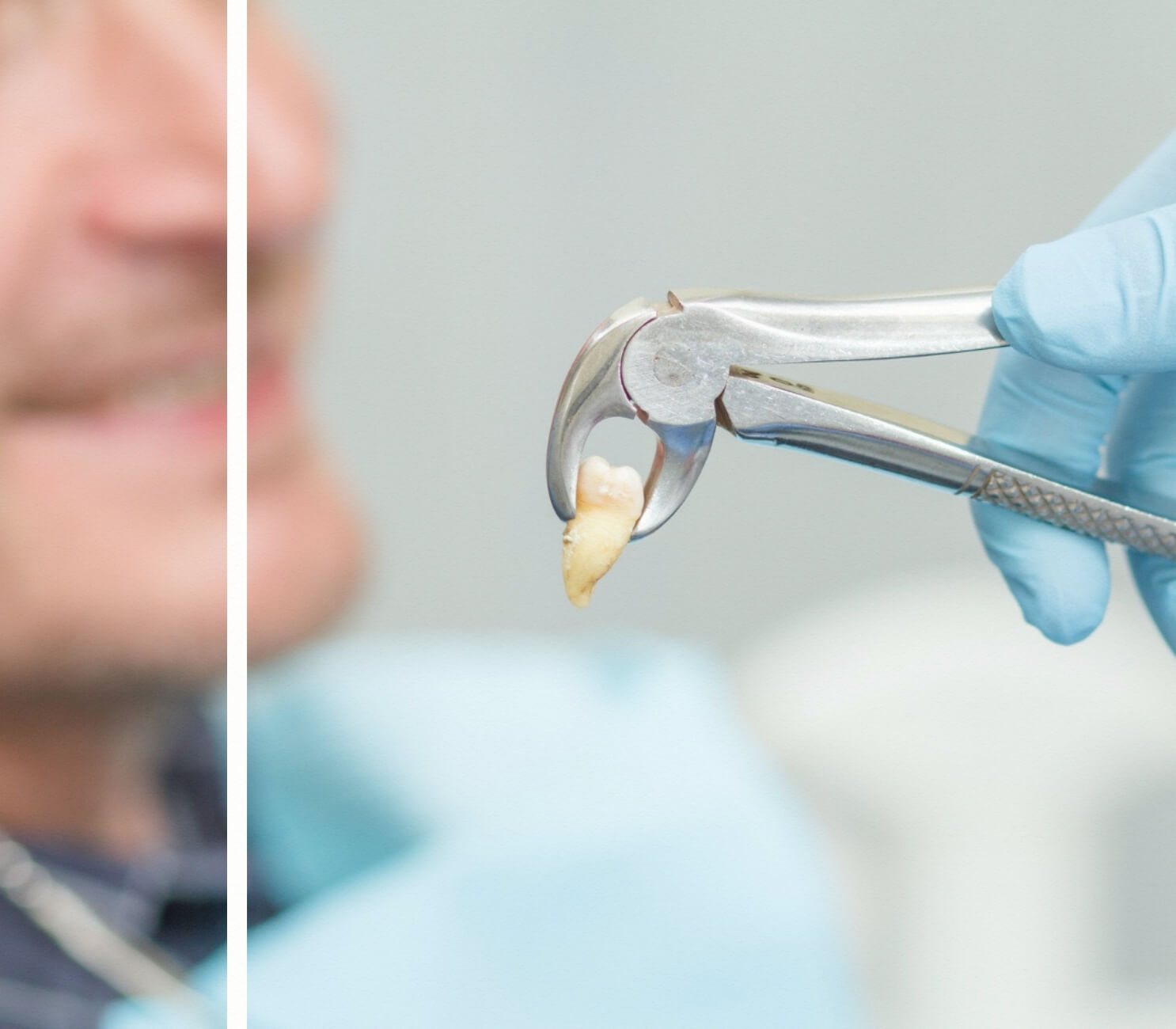
Create the Right Extraction Plan with a Detailed Evaluation
One of the most important aspects of tooth extraction is correctly determining whether the procedure is truly necessary. Because while some teeth can be preserved with treatment, in other cases extraction may be the more appropriate and healthier option. For this reason, the tooth’s structure, root condition, infection level, and surrounding tissues should be carefully evaluated before the procedure.
- Whether the tooth can be saved is analyzed.
- The root structure and surrounding tissues are examined.
- If necessary, supplementary evaluation is done with X-rays.
- Forward planning for the space after extraction is considered.
Situations Requiring Tooth Extraction
At Doredent, our fundamental approach is to preserve every tooth as much as possible. Many teeth can be saved with filling treatment for early cavities and root canal treatment when decay reaches the nerve tissue. However, in some cases, extraction is the most appropriate and healthiest option:
Advanced decay and fracture: When the tooth structure is damaged beyond what can be restored with a filling or crown, and the remaining tooth tissue cannot provide adequate support, extraction is planned.
After failed root canal treatment: If root canal treatment was performed but the infection could not be controlled, an abscess has formed at the root tip, and apical resection has also failed, extraction may be necessary.
Advanced gum disease: Teeth that have largely lost their surrounding bone support due to periodontitis and are loosening severely need to be extracted. These teeth become a source of infection while remaining in the mouth and also jeopardize the bone support of neighboring teeth.
Impacted wisdom teeth: Wisdom teeth that cannot find space in the jaw, are tilted sideways, or have partially erupted can cause various problems: pressure on neighboring teeth, cavity formation, cyst development, and gum infection. Surgical extraction of these teeth is frequently necessary.
Orthodontic extraction: In advanced crowding cases, there may not be enough space in the jaw for the teeth to align properly. In such cases, specific teeth are extracted as planned by the orthodontic specialist to create space. After extraction, teeth are moved to ideal positions with Invisalign or braces.
Why Should the Space After Extraction Be Treated?
The gap left by an extracted tooth represents much more than just “a missing tooth.” If the gap is not addressed, a series of chain-reaction problems begins:
Neighboring teeth slowly drift toward the gap and alignment is disrupted. The opposing tooth begins to elongate as it finds no support below. These movements disrupt the bite and create conditions for jaw joint problems. Additionally, the jawbone in the area of the missing tooth does not receive mechanical stimulation and gradually erodes over time, making future implant placement more difficult.
For this reason, it is recommended that the gap be evaluated as soon as possible after extraction. Today, the most ideal solution for replacing a missing tooth is implant treatment. An implant stands on its own root without touching neighboring teeth and prevents bone loss by transmitting load to the jawbone. Zirconia crowns are generally placed over implants.
When multiple teeth are lost, fixed prostheses can be applied to the entire jaw with All-on-4 or All-on-6 implant treatment.
Tooth Extraction and Early Tooth Loss in Children
Premature loss of primary teeth in children requires special attention. Primary teeth are important not only for chewing and speaking but also for guiding the permanent teeth beneath them. Neighboring teeth drift into the gap left by an early-lost primary tooth, and the space for the permanent tooth to erupt narrows. This can cause serious crowding in the future.
In cases of early primary tooth loss, a space maintainer appliance is applied to preserve the gap and support the healthy eruption of the permanent tooth. Through regular pediatric dentistry check-ups, problems in primary teeth are detected early and treatment is pursued instead of extraction whenever possible.
Frequently Asked Questions
We have compiled the questions we receive about this treatment and answered them as openly and transparently as possible.
Planning is done with appropriate anesthesia with patient comfort in mind during the procedure. There may be sensitivity afterward depending on the tooth's condition.
No. Many decayed teeth can be preserved with fillings, root canal treatment, or other methods. Extraction is planned only when deemed necessary.
In some cases, mild sensitivity or swelling may occur. The level varies depending on the tooth's structure and the scope of the procedure.
Especially in certain areas, leaving a missing tooth empty for a long time can lead to various problems. The appropriate treatment plan should be determined after examination.
No. The tooth's position, type of extraction, the individual's healing speed, and post-procedure care can all affect the healing process.
Following the dentist's recommendations after the procedure, protecting the area, and carefully monitoring the healing process are important.
Our Dentists
Meet our expert dentists.



Content Information
This page was prepared by the Dore Medical Editorial Board and medically reviewed by Dr. Merve Özkan Akagündüz, DDS, MSc.