


SARPE (Surgically Assisted Rapid Palatal Expansion)
A procedure that involves surgical release of the midpalatal suture, followed by skeletal expansion with an expansion appliance. An effective solution for older adolescents and adults when MARPE is not sufficient.
Evaluate Advanced Upper Jaw Narrowness with a More Comprehensive Approach
Upper jaw narrowness in some patients can affect not only tooth alignment but also the bite relationship, smile width, crossbite, and overall jaw harmony. Especially in adult patients with significant upper jaw narrowness, orthodontic expansion alone may not be sufficient. SARPE aims to offer a more effective and controlled approach in such cases through upper jaw expansion planned with surgical support. The treatment plan is created on a custom basis by combining orthodontic analysis and surgical evaluation.
Detailed analysis determines whether the upper jaw narrowness is primarily skeletal, dental, or both, guiding whether SARPE or a less invasive method is appropriate.
The orthodontist and surgeon plan the procedure together. Expansion amount, surgical approach, and post-surgical orthodontic steps are determined before treatment begins.
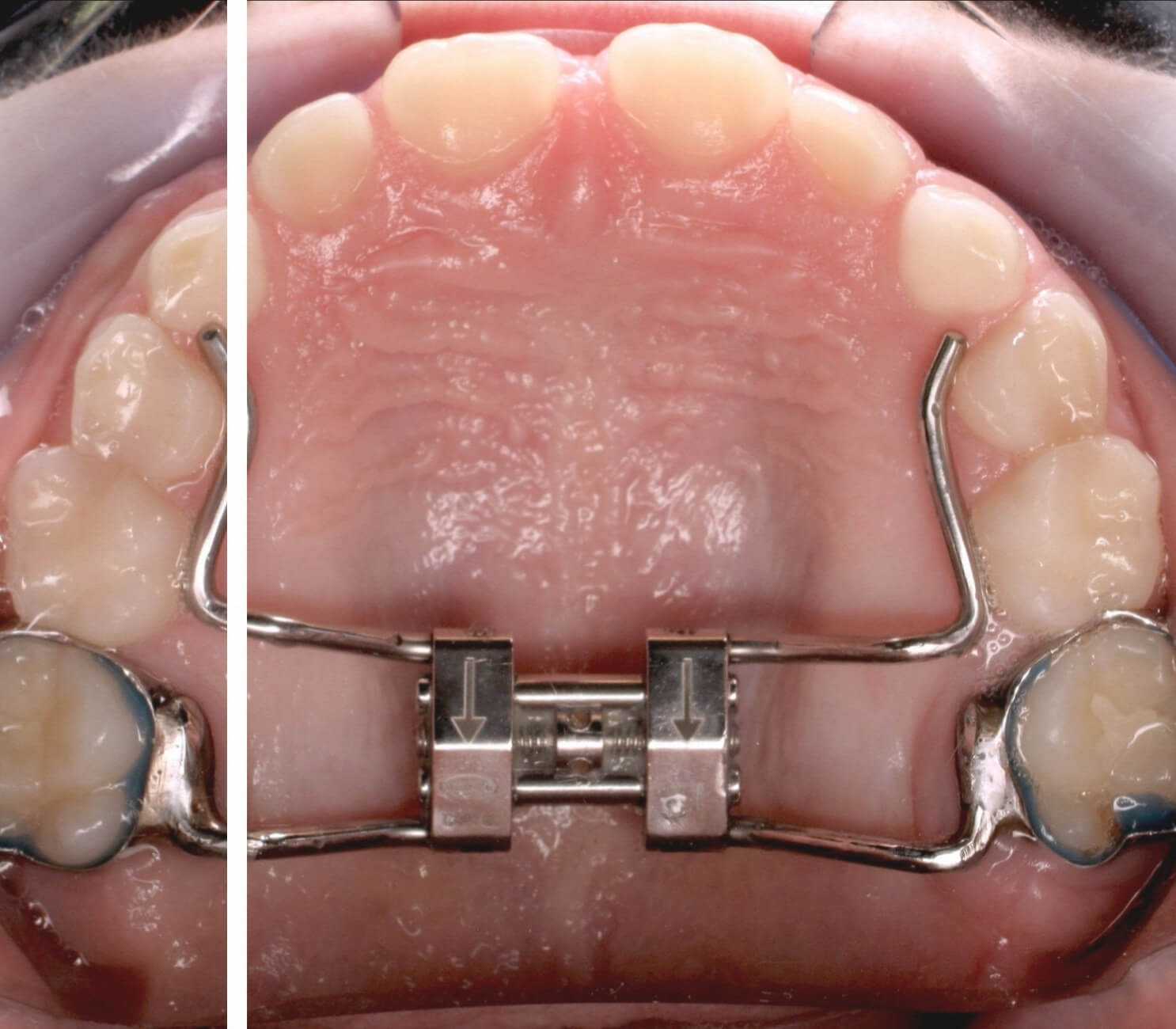
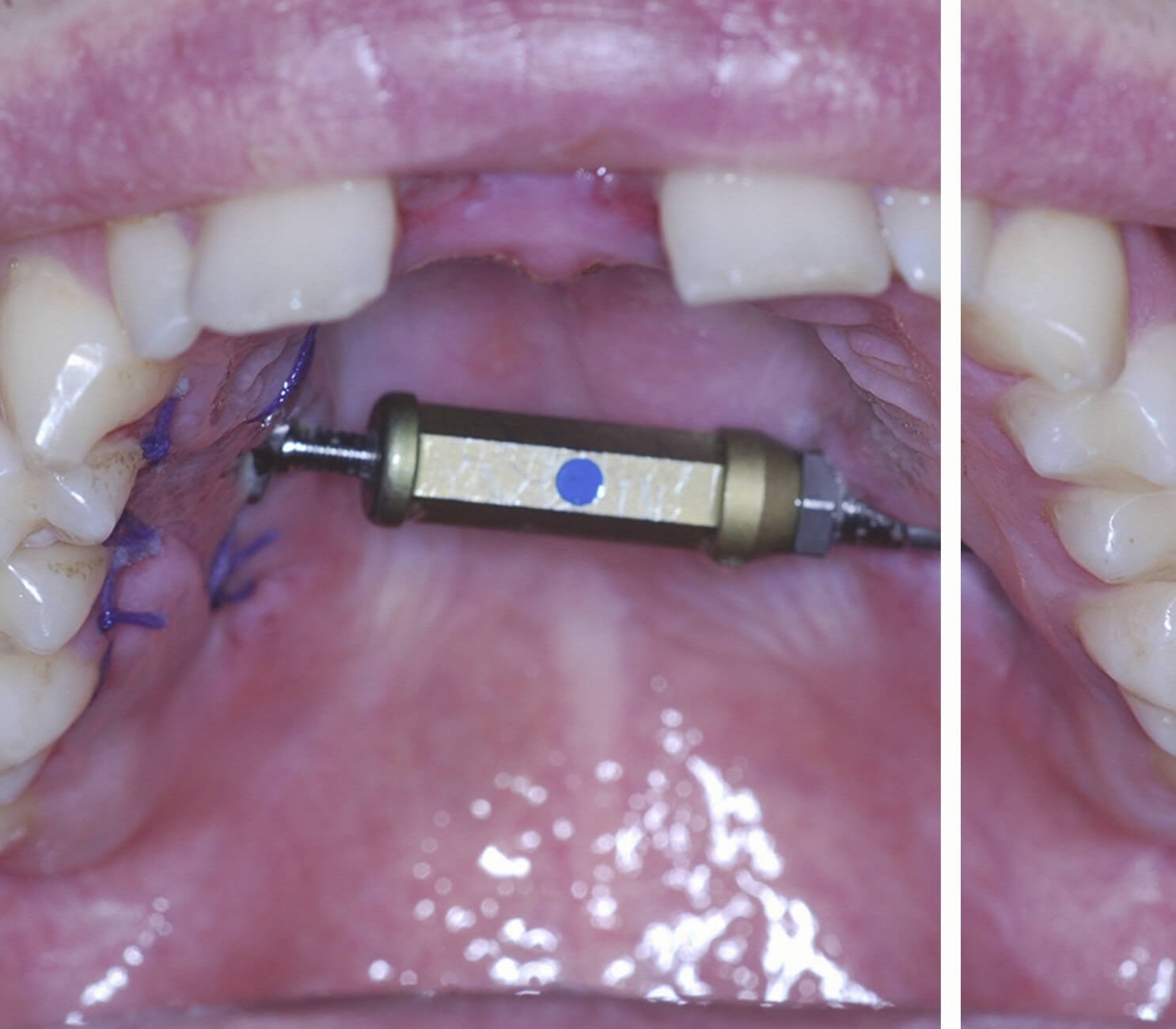
After the surgical release, the patient activates the expansion appliance daily under the orthodontist's guidance. Active expansion typically takes 2-4 weeks.
The appliance remains in place for 3-6 months while new bone consolidates. Orthodontic treatment then continues to align teeth and finalize the bite.
What Is SARPE?
SARPE stands for "Surgically Assisted Rapid Palatal Expansion." In this method, expansion is planned with surgical support depending on the degree of upper jaw narrowness and the process is controlled with orthodontic appliances. It can be an important treatment option especially in adult patients and in cases with significant skeletal narrowness.
It can be considered in suitable patients with significant upper jaw narrowness who are in the adult age group and for whom conventional orthodontic expansion is thought to be insufficient.
No. Both methods can be used to address upper jaw narrowness; however, SARPE is a surgically assisted approach. Which method is suitable is determined after detailed analysis.
In some adult patients, upper jaw narrowness is not just dental but primarily skeletal. In such cases, a more comprehensive expansion approach may be needed.
Properly Evaluate the Need for Surgical Support with Detailed Analysis
The most important aspect of SARPE treatment is correctly determining the level of upper jaw narrowness and which expansion approach the patient is suitable for. Because not every case of upper jaw narrowness requires surgical support. The patient’s age, bone structure, severity of the narrowness, bite relationship, and overall orthodontic needs must be analyzed together. For this reason, pre-treatment planning is one of the most critical stages of the process.
- The degree of upper jaw narrowness is evaluated in detail.
- Dental and skeletal structures are analyzed together.
- Crossbite and jaw harmony are examined.
- The need for surgical support is planned on a custom basis.
When Is SARPE Necessary?
The first choice in treating upper jaw narrowness is always the least invasive method possible. In children, traditional expansion appliances can be successfully applied, and in late adolescents, non-surgical expansion with MARPE can be achieved. However, in mid-to-older adults (generally 25+ years), the midpalatal suture has completely closed and the bone has hardened. In this case, neither traditional appliances nor MARPE can provide sufficient expansion. SARPE eliminates the bony resistance blocking expansion through surgical release of the suture.
How Is SARPE Performed?
SARPE treatment consists of two stages. In the first stage, the surgical team makes a bone cut along the midpalatal suture of the upper jaw under general anesthesia. The goal is not to split the jaw in two, but to reduce resistance so that expansion can occur in a controlled manner. After surgery, the expansion appliance is activated and the patient gradually widens the jaw by turning the screw daily.
Active expansion typically lasts 2-4 weeks. Then, the appliance is kept in place for approximately 3-6 months until bone consolidation occurs in its new position (retention period).
Orthodontic Treatment After SARPE
After expansion is complete, orthodontic treatment continues to straighten the teeth. Teeth are brought to their ideal position, the bite is aligned, and an aesthetic result is achieved with Invisalign or braces.
SARPE is frequently planned as part of crossbite treatment. When the upper jaw is expanded, the crossbite is corrected and space is created for crowded teeth.
SARPE and Lower Jaw Retrusion Combination
Upper jaw narrowness is frequently seen together with lower jaw retrusion. In these cases, the treatment plan is more comprehensive: the upper jaw is expanded with SARPE, teeth are aligned with orthodontic treatment, and if necessary, the lower jaw is advanced with orthognathic surgery. All these stages are planned in a coordinated manner by the orthodontic specialist and the surgeon.
Who Cannot Have SARPE?
SARPE may not be performed in patients with uncontrolled systemic diseases, active periodontal disease, or those at high risk for general anesthesia. A detailed medical evaluation is conducted before treatment.
Maintaining meticulous oral hygiene after treatment is important. Existing cavities are treated with fillings or root canal treatment before the procedure. At Doredent, SARPE and orthodontic treatments are coordinated within the same clinic.
Frequently Asked Questions
We have compiled the questions we receive about this treatment and answered them as openly and transparently as possible.
No. SARPE is not suitable for every patient. The necessity is determined by evaluating age, the degree of upper jaw narrowness, and skeletal structure.
It is generally considered in adult cases with significant upper jaw narrowness where conventional expansion methods may be insufficient.
The treatment is a process where surgical and orthodontic planning are carried out together. The patient's comfort and healing process are evaluated separately according to the treatment plan.
In most cases, yes. After expansion, orthodontic treatment planning continues for tooth alignment and bite relationship.
The primary goal is expansion aimed at correcting upper jaw narrowness; however, its effect can also be reflected in the bite and overall jaw relationship.
The decision is made based on the patient's age, bone structure, the degree of upper jaw narrowness, and the results of orthodontic analysis. The most suitable method may differ for each patient.
Our Dentists
Meet our expert dentists.



Content Information
This page was prepared by the Dore Medical Editorial Board and medically reviewed by Dr. Merve Özkan Akagündüz, DDS, MSc.