


Root Canal Retreatment
A second root canal procedure performed on a tooth that has previously been treated but has developed a recurrent infection. The old root filling is removed, the canals are re-cleaned, and the treatment is renewed to give the tooth a second chance.
A New Chance for Previously Treated Teeth with Root Canal Retreatment
In some teeth, pain, sensitivity, infection, or root tip problems may reappear over time despite a previous root canal treatment. In such cases, root canal retreatment is considered. The goal is to remove the existing canal filling, re-clean and disinfect the root canals, and refill them properly to increase the chance of keeping the tooth in the mouth.
The original root canal treatment is evaluated with X-rays to identify the cause of failure, whether it is missed canals, short filling, leaking restoration, or complex root anatomy.
The existing canal filling is carefully removed using specialized instruments and solvents. This step requires precision and patience to avoid damaging the root structure.
The canals are re-shaped, thoroughly disinfected, and filled with fresh material. Any previously missed canals are located and treated.
After retreatment, a new crown is placed to seal the tooth and protect it from fracture and bacterial re-entry, completing the second chance for the tooth.
What Is Root Canal Retreatment?
Root canal retreatment is the process of re-addressing the existing treatment in a tooth that has previously undergone root canal treatment. In this procedure, the old canal filling is removed, the root canals are re-cleaned, disinfected, and refilled. It is generally considered when healing has not been completed, complaints persist, or a new infection has developed.
In some cases, the root canal structure may be complex, healing may not fully occur, or reinfection may develop over time. For this reason, re-evaluation may be necessary.
No. The decision is made by evaluating the remaining tooth structure, root condition, fracture possibility, and overall prognosis together.
In many cases, that is the goal. However, the definitive outcome depends on the current condition of the tooth and its response to treatment.
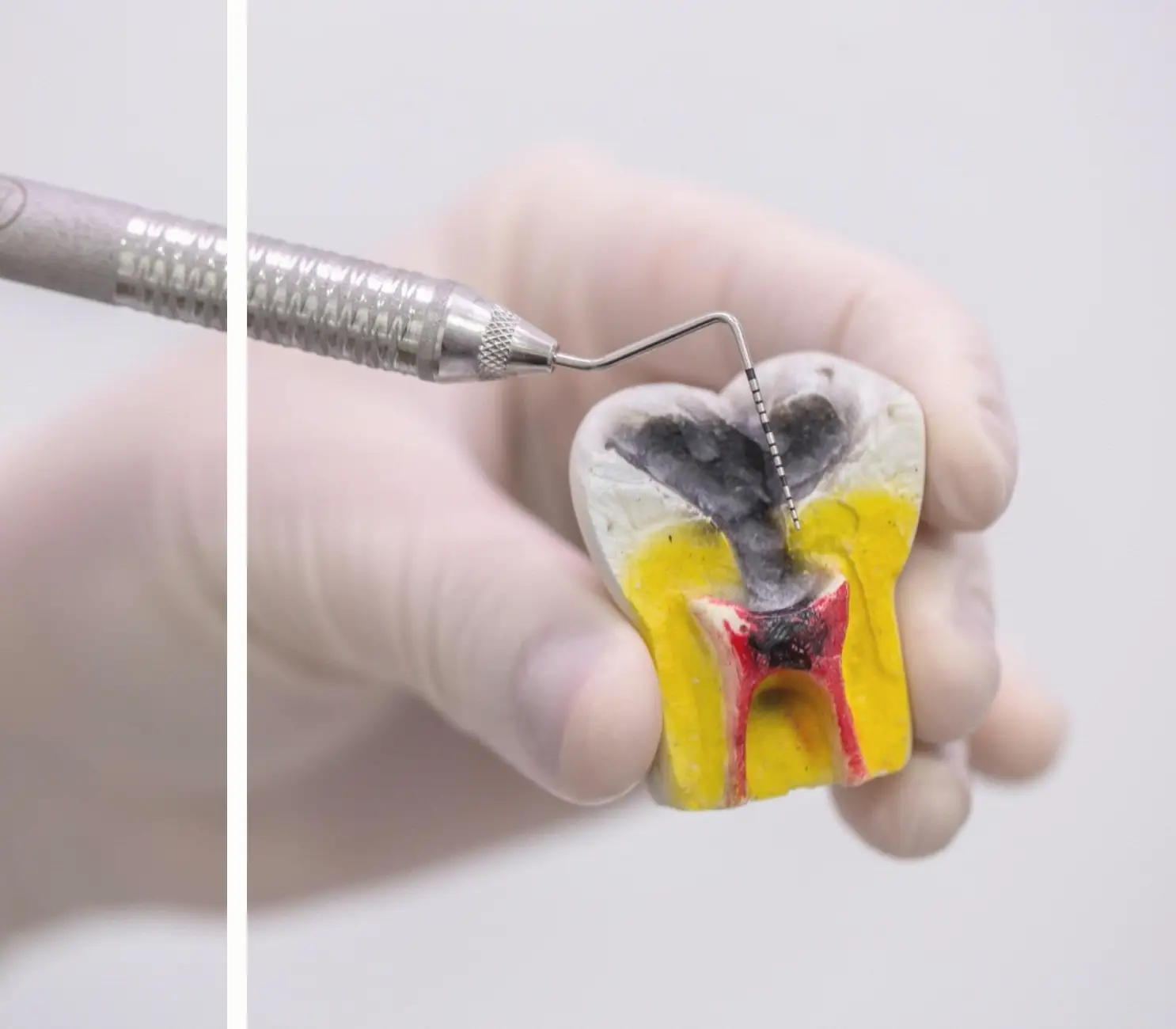
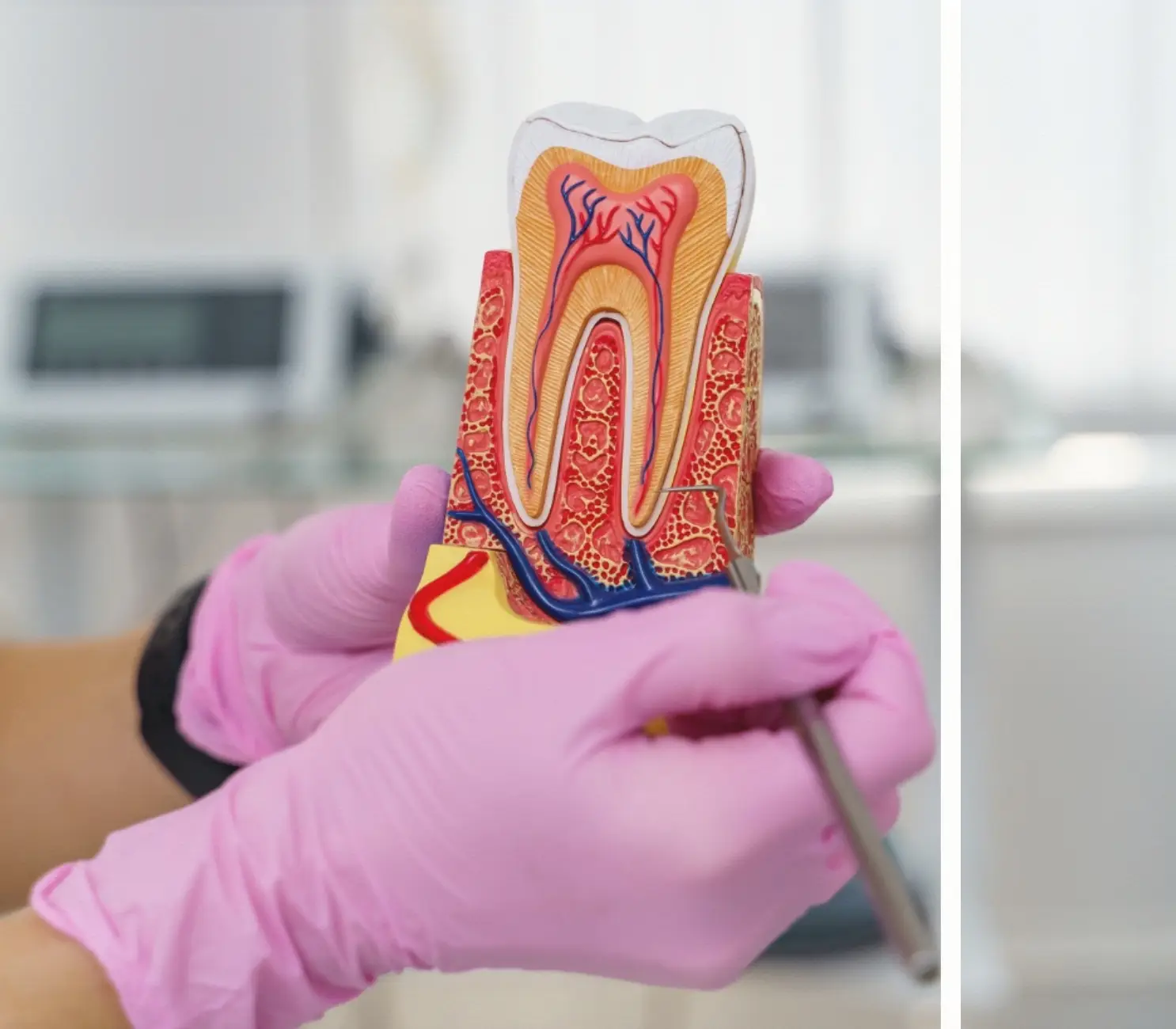
Re-Plan the Treatment Process with a Detailed Evaluation
The most important aspect of root canal retreatment is properly understanding why the previous procedure failed or why problems have redeveloped. The internal structure of the tooth, the condition of the old canal filling, root tips, and surrounding tissues are carefully evaluated to create a new treatment plan.
- The condition of the previous root canal treatment is analyzed.
- If necessary, the root tip and surrounding structures are evaluated with X-rays.
- The re-accessibility of root canals is examined.
- The most appropriate approach for preserving the tooth is planned.
Why Might Root Canal Treatment Need to Be Repeated?
Although the initial root canal treatment has a high success rate, in some cases infection can recur even years later. The main reasons for this:
Missed canal: Some teeth have more root canals than expected. A canal not detected during the initial treatment causes the infection to persist.
Inadequate canal filling: Failure to fill the canals completely to the root tip leads to bacterial growth in the empty areas.
Restoration leakage: Deterioration of the filling or crown placed after root canal treatment over time allows oral bacteria to reach the root canals again.
Complex root anatomy: Curved, narrow, or branching canals may not be fully cleaned during the initial treatment.
How Is Retreatment Performed?
In root canal retreatment, the existing restoration (filling or crown) is first removed. The old canal filling material is removed from the canals using specialized instruments and solvents. The canals are re-shaped, disinfected, and filled with fresh material. The procedure generally takes longer than the initial root canal treatment because removing the old material safely requires care and time.
After treatment is completed, a new zirconia or porcelain crown is placed on the tooth, both protecting it and restoring its function.
If Retreatment Is Unsuccessful
If infection persists despite root canal retreatment or the lesion at the root tip continues to grow, the next step is apical surgery. In apical surgery, the root tip is surgically exposed, infected tissue is cleaned, and the root tip is sealed with a retrograde filling.
When apical surgery also fails, the last option is tooth extraction followed by implant treatment. While preserving the natural tooth is always the primary goal, it is important to realistically evaluate the limits of treatment at each stage.
Preventing the Need for Root Canal Retreatment
Two factors are decisive for the initial root canal treatment to succeed and for the need for retreatment not to arise: the quality of the treatment and the appropriateness of the restoration placed afterward. Having a crown placed on root canal-treated teeth in a timely manner is the most important step in preventing bacteria from reaching the canals again. In teeth left waiting for a long time without a crown, the risk of leakage beneath the restoration and infection recurrence increases.
Frequently Asked Questions
We have compiled the questions we receive about this treatment and answered them as openly and transparently as possible.
Treatment is generally planned under local anesthesia and patient comfort during the procedure is the goal. There may be mild sensitivity after the procedure.
Some teeth can be completed in a single session. However, depending on the infection status and difficulty level of the procedure, several sessions may be needed.
The structure of the root canals, inadequacy of the previous treatment, leakage, or newly developing problems over time can cause this.
In many cases, the goal is to preserve the tooth without extraction. However, the probability of success is evaluated based on the current condition of the tooth.
In some teeth, a filling alone may be sufficient, while in teeth with significant structural loss, crowns or other superstructure options may be needed.
No. Different treatment options may be more suitable for some teeth. The final decision is made after examination.
Our Dentists
Meet our expert dentists.



Content Information
This page was prepared by the Dore Medical Editorial Board and medically reviewed by Dr. Merve Özkan Akagündüz, DDS, MSc.