


Oral Appliances for Sleep Apnea
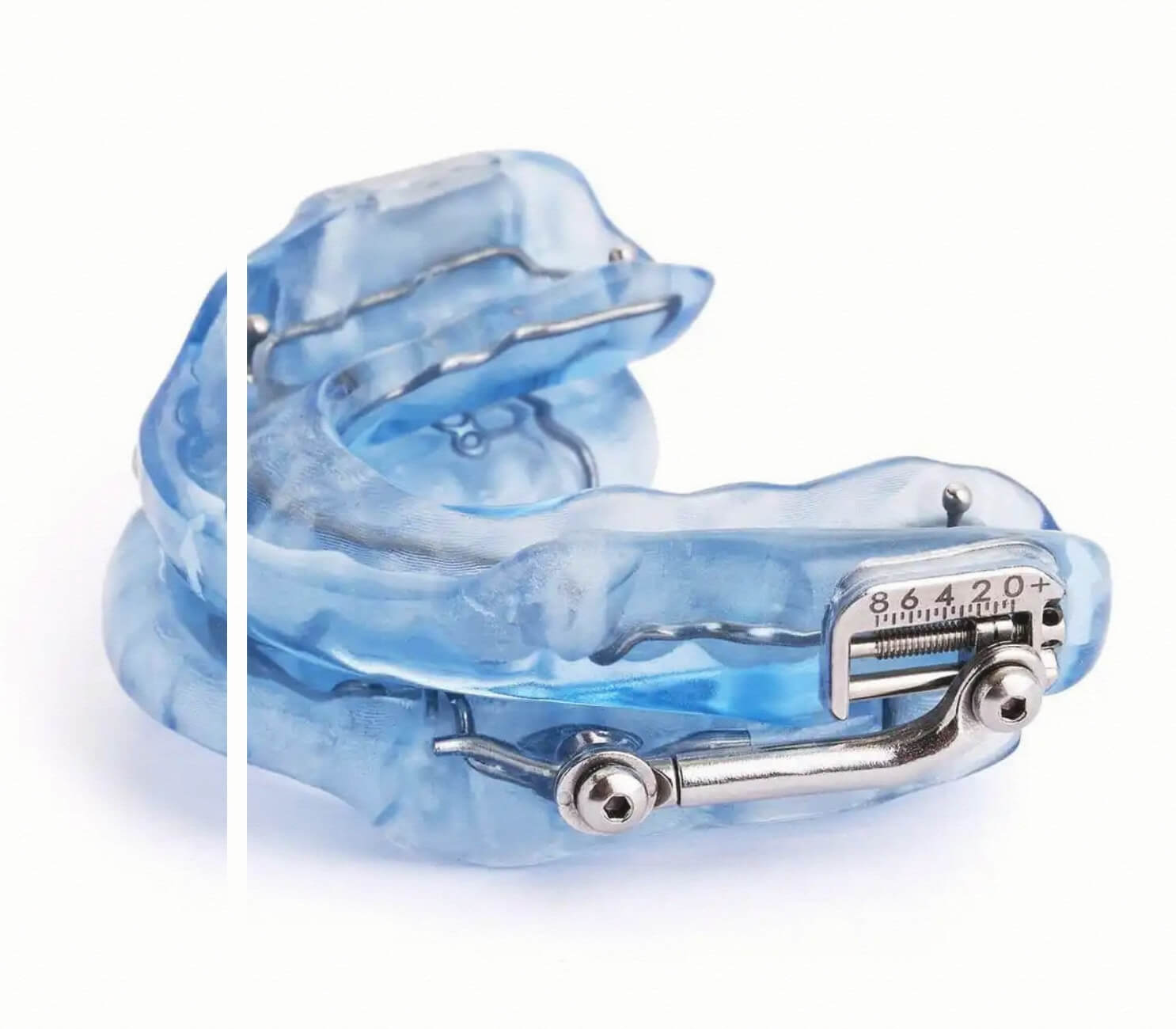
A snoring appliance is a custom-made oral device designed to help keep the lower jaw and the base of the tongue in a more forward position during sleep, supporting a more open airway.
Support a More Controlled Airway Throughout the Night with an Anti-Snoring Appliance
Snoring is not just a sound that disturbs others – it can be a significant issue that affects sleep quality in some individuals. Anti-snoring appliances used in suitable cases help limit the lower jaw from falling back during sleep, supporting a more open airway. The goal is to reduce snoring intensity and support a more comfortable sleep experience. The treatment plan is determined by evaluating the patient’s oral structure, jaw relationship, and sleep-related complaints together.
The anti-snoring appliance is custom-made according to the patient's oral structure and jaw relationship.
The goal is to help reduce the effect of the lower jaw and associated soft tissues in narrowing the airway during sleep.
Appliances planned on a custom basis aim for usage comfort and intraoral fit in a more controlled manner.
After application, the appliance fit, patient comfort, and changes in symptoms should be regularly evaluated.
What Is an Anti-Snoring Appliance?
An anti-snoring appliance is an intraoral device used during sleep that helps keep the lower jaw in a more forward position in a controlled manner. This can help reduce the tendency of airway narrowing. It can be considered especially for patients with a suitable oral structure who are appropriate for intraoral appliance use. Since the same approach is not suitable for every snoring case, planning must always be done on an individual basis.
It can help control snoring by reducing the narrowing effect of the lower jaw and base of the tongue on the airway during sleep.
No. Suitability is determined by evaluating jaw structure, dental condition, joint relationship, and the nature of sleep complaints.
No. A night guard is mainly used for protective purposes against teeth grinding and clenching forces, while an anti-snoring appliance involves a different plan focused on airway support.
Plan the Right Sleep Appliance for You with a Detailed Evaluation
The most important aspect of an anti-snoring appliance is properly evaluating the nature of the snoring complaint and the patient’s suitability for intraoral appliance use. Because not every snoring problem occurs through the same mechanism. In some patients, lower jaw position is the determining factor, while in other cases, different sleep problems may accompany the condition. For this reason, teeth, jaw structure, joint condition, and overall sleep complaints should all be evaluated together before planning.
- Jaw structure and bite relationship are evaluated.
- Dental suitability for appliance use is examined.
- The nature of snoring complaints and nighttime comfort are analyzed.
- A custom, balanced, and controlled appliance plan is created.
What Causes Snoring and When Is Treatment Needed?
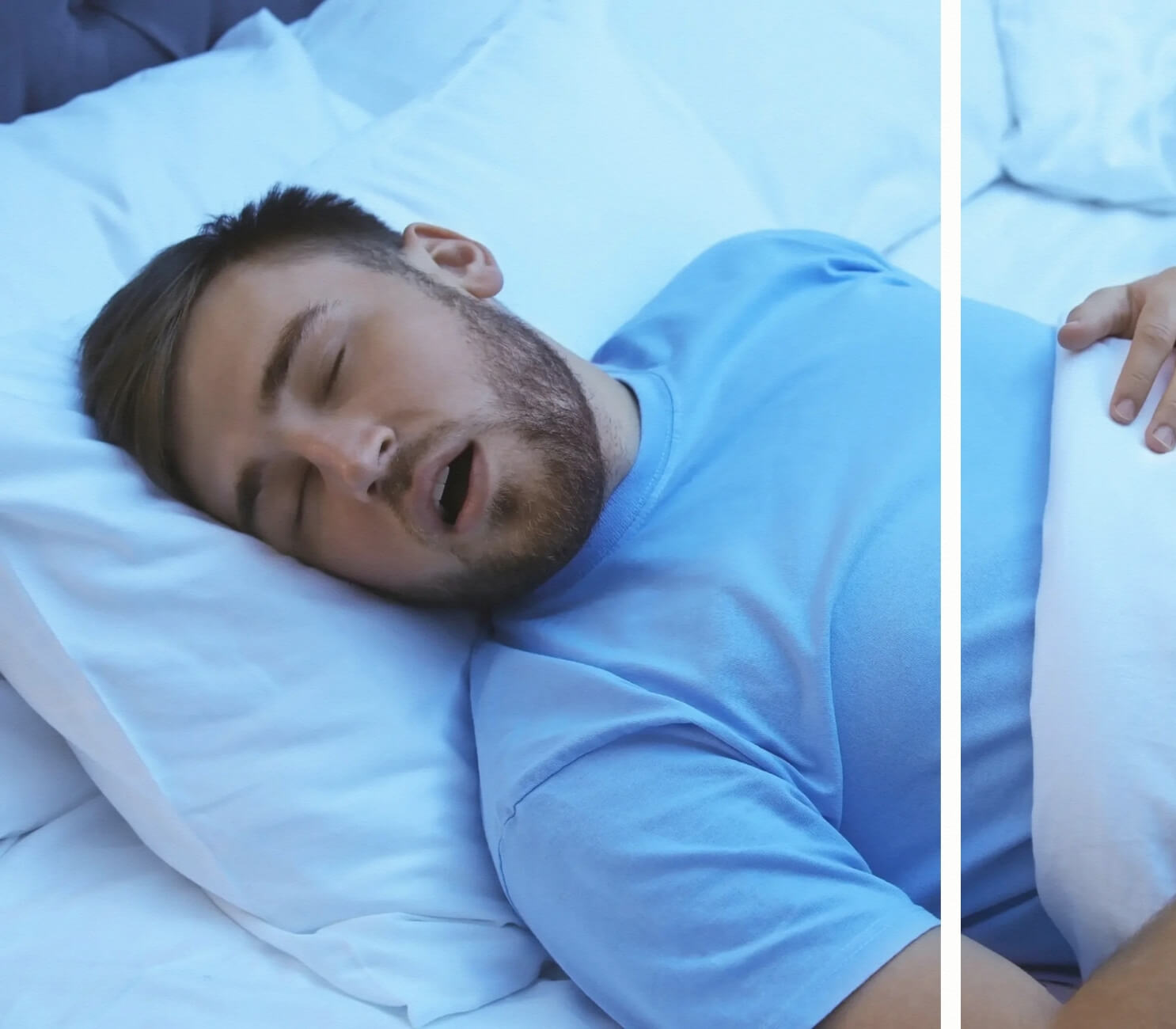
Snoring occurs when the soft palate, base of the tongue, and throat tissues relax during sleep and vibrate with airflow. When the lower jaw falls back, the base of the tongue narrows the airway and vibration increases. Snoring is not always harmless – it disrupts sleep quality, causes daytime fatigue, and can be a warning sign of obstructive sleep apnea syndrome (OSAS).
For mild to moderate OSAS or simple snoring, oral appliances are among the first-line treatment options. For severe sleep apnea, CPAP is the standard treatment. Therefore, it is recommended that sleep test (polysomnography) results be evaluated before planning an anti-snoring appliance.
How Does an Anti-Snoring Appliance Work?
An anti-snoring appliance (mandibular advancement device) positions the lower jaw a few millimeters forward throughout sleep. This pulls the base of the tongue forward, widens the airway, and reduces soft tissue vibration. The appliance is fabricated based on custom impressions, fits over the upper and lower teeth, and holds the lower jaw position in a controlled manner during sleep.
At Doredent, anti-snoring appliance impressions are taken using digital or conventional methods, the appliance is custom-fabricated in the laboratory, and a fit check is performed. The degree of lower jaw advancement is adjusted gradually to optimize both effectiveness and comfort.
Anti-Snoring Appliance, Night Guard, and TMJ Splint: The Differences
These three appliances are frequently confused, but their purposes are entirely different:
A night guard (bruxism splint) absorbs teeth grinding and clenching forces to protect the teeth, crowns, and jaw joint. It does not change the lower jaw position.
A TMJ splint is used to relieve the temporomandibular joint (TMJ) and restore muscle balance in cases of TMJ disorders. It regulates joint position.
An anti-snoring appliance, on the other hand, opens the airway by positioning the lower jaw forward. Its purpose is neither to protect the teeth nor to treat the joint – it is to provide airway support.
Who Is Suitable for an Anti-Snoring Appliance?
An anti-snoring appliance is not suitable for every patient. It can generally be considered in the following situations: simple snoring (without sleep apnea), mild to moderate obstructive sleep apnea, patients who cannot tolerate a CPAP device, and situations where CPAP use is impractical, such as travel.
A sufficient number of healthy teeth must be present for the appliance to be used, as it works by gripping the teeth. It may not be suitable for patients with advanced gum disease, many missing teeth, or active TMJ problems. Existing cavities are treated with fillings or root canal treatment before the appliance is made.
The Relationship Between Snoring and Orthodontics
Lower jaw retrusion (retrognathia) is one of the structural causes of snoring. When the lower jaw is positioned further back, the base of the tongue sits closer to the airway, increasing the tendency to snore. Lower jaw retrusion treatment can permanently widen the airway by correcting jaw position.
A narrow upper jaw can also contribute to snoring by restricting nasal breathing and promoting mouth breathing. When the upper jaw is expanded with MARPE, both the nasal airway and intraoral volume increase. Bite correction with Invisalign or braces can also have an indirect positive effect on the airway.
Things to Keep in Mind When Using an Anti-Snoring Appliance
The appliance should be worn consistently every night. During the first few days, you may experience a foreign body sensation in the mouth, slight increase in saliva, or morning jaw fatigue – these symptoms typically subside within 1-2 weeks. For cleaning, daily brushing and soaking in a disinfectant solution once a week is recommended.
With long-term use, minor changes in the bite may occur. Therefore, the appliance fit, dental condition, and bite relationship should be monitored through regular follow-up appointments.
Frequently Asked Questions
We have compiled the questions we receive about this treatment and answered them as openly and transparently as possible.
It is used to help reduce snoring in suitable patients by supporting a more open airway during sleep.
It is not realistic to expect the same result in every patient. The goal is to help reduce snoring and support sleep comfort in suitable cases.
Yes. It needs to be planned on a custom basis according to the oral structure, dental alignment, and jaw relationship.
There may be an adjustment period in the first few days. Usage comfort is generally higher with custom and properly planned appliances.
No. The patient's oral structure, dental condition, and the characteristics of their complaints must first be evaluated. The right option may not be the same for every patient.
It is generally planned to be used during sleep. The manner of use and follow-up schedule are determined on an individual basis.
Our Dentists
Meet our expert dentists.



Content Information
This page was prepared by the Dore Medical Editorial Board and medically reviewed by Dr. Merve Özkan Akagündüz, DDS, MSc.