


Teeth Cleaning
The professional removal of plaque and tartar buildup from the tooth surfaces. One of the most essential steps in preventing gum disease and maintaining long-term oral health.
Cleaner Teeth, Healthier Gums
Tartar forms when accumulated bacterial plaque hardens over time and may not be fully removed by brushing alone. As tartar buildup increases, gum bleeding, bad breath, gum sensitivity, and negative effects on aesthetic appearance can occur. Dental scaling is one of the fundamental preventive procedures that ensures the professional removal of these buildups.
The intensity and location of tartar buildup, as well as the condition of the gums, are evaluated to determine the scope of cleaning needed.
Tartar is removed using ultrasonic devices and manual instruments. Both supragingival and gum-line deposits are thoroughly cleaned.
After scaling, the tooth surfaces are polished to create a smooth finish that makes it harder for new plaque to accumulate.
Personalized brushing and flossing recommendations are provided. A follow-up schedule is established based on your individual tartar formation rate.
What Is Dental Scaling?
Dental scaling is the professional removal of hardened plaque that accumulates on teeth and especially along the gum line. Despite daily oral care, these buildups can form over time and negatively affect gum health. Regular dental scaling can help support oral hygiene and prevent gum problems.
Bacterial plaque accumulating on the tooth surface can harden over time and turn into tartar. Inadequate oral care, smoking, and individual predisposition can influence this process.
Tartar buildup can create conditions for gum bleeding, bad breath, and gum problems. For this reason, regular cleaning is important for oral health.
No. Hardened tartar can generally only be removed through professional dental cleaning.
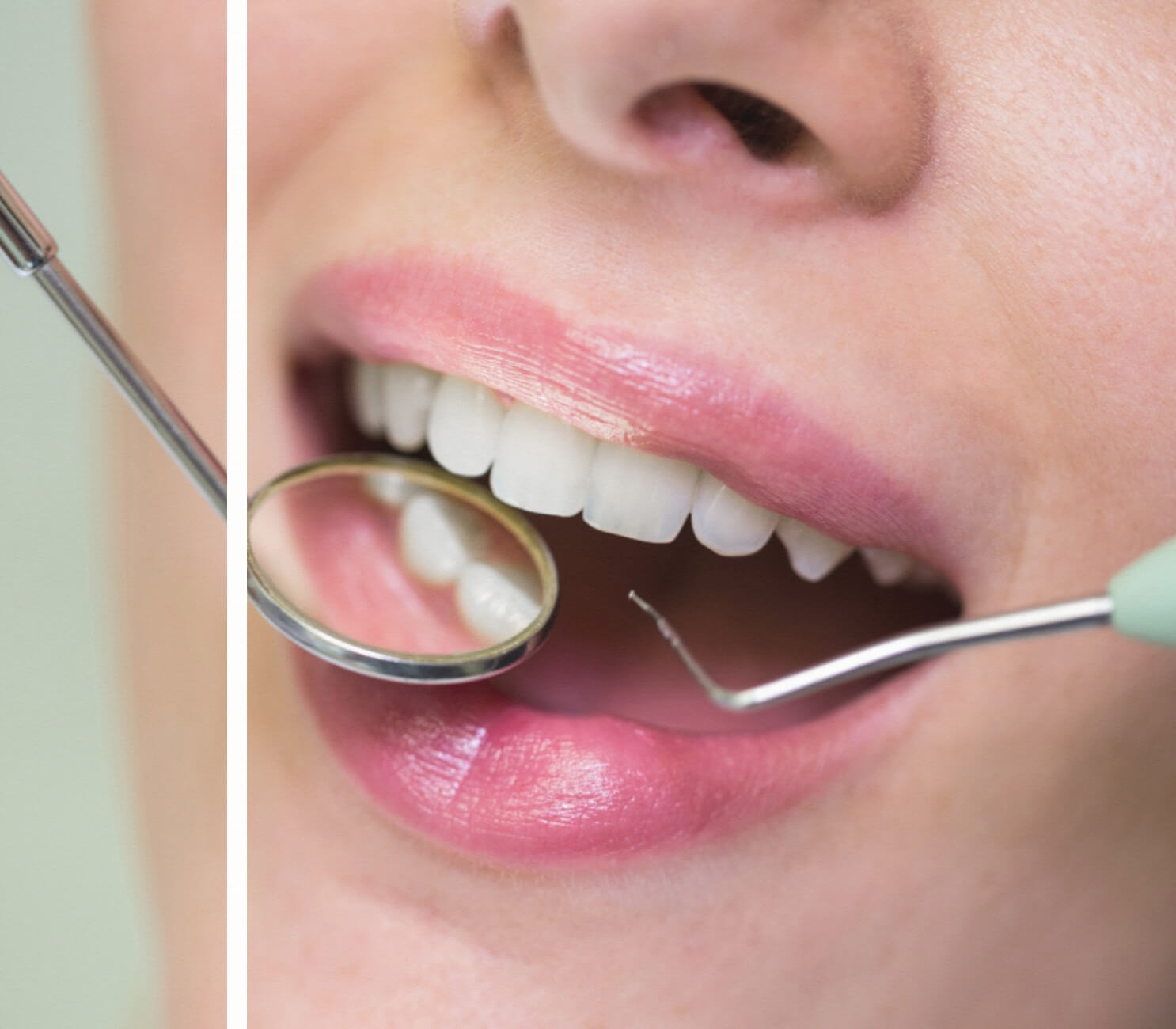
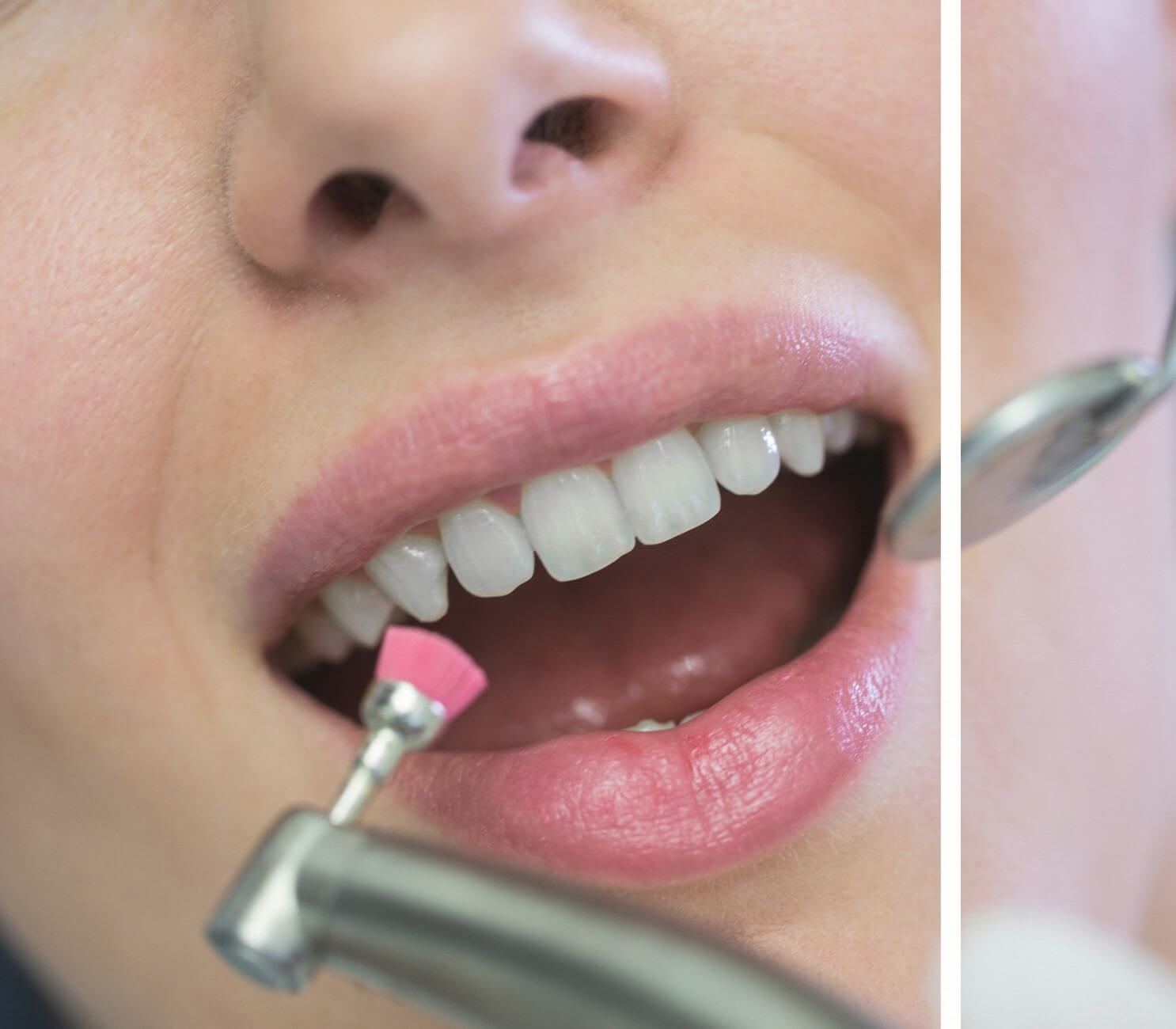
Plan Your Oral Care Correctly with a Detailed Evaluation
Dental scaling is not planned at the same level for every patient. While some individuals have superficial buildup, others may have heavier tartar along the gum line and gum sensitivity. For this reason, careful evaluation of the intraoral condition before the procedure is important for the right care approach.
- The intensity of tartar buildup is evaluated.
- Gum health and bleeding status are examined.
- Buildup in hard-to-reach areas is checked.
- If necessary, guidance on oral care habits is provided.
Why Should Dental Scaling Be Done Regularly?
Plaque that accumulates in areas unreachable by toothbrush and dental floss hardens with minerals in saliva and turns into tartar. Tartar cannot be removed by brushing and can only be eliminated through professional cleaning. Bacteria continue to accumulate under and around tartar, the gums become inflamed (gingivitis), turn red, swell, and bleed when brushing.
If gingivitis is not treated, the infection deepens and also affects the bone tissue surrounding the tooth. This stage is called periodontitis and its treatment is much more comprehensive than simple cleaning; it may require curettage. In advanced periodontitis, bone loss increases, teeth begin to loosen, and eventually tooth extraction may become unavoidable.
Professional dental scaling performed every 6 months stops this chain of events before it begins.
Dental Scaling for Orthodontic Patients
In patients wearing braces, plaque and tartar buildup around brackets accelerates. Cleaning becomes more difficult and the risk of gum inflammation increases. Professional cleaning every 4-6 months is recommended during orthodontic treatment. In patients using Invisalign, cleaning is easier since the aligners are removable, but regular professional check-ups remain important.
In patients with a retainer wire, tartar buildup behind the wire is common. Care should be taken not to damage the wire during cleaning; the retainer wire is not an obstacle to dental scaling.
Cleaning for Implant Patients
Plaque and tartar buildup around implants can lead to an infection called “peri-implantitis” that affects the gum and bone around the implant. Peri-implantitis is one of the most common causes of implant loss. Regular professional cleaning plays a decisive role in the longevity of implants.
Dental Scaling and Aesthetics
After dental scaling, teeth appear cleaner and shinier. However, dental scaling is not a whitening procedure; it reveals the natural color of the teeth. If a whiter smile is desired, teeth whitening can be planned after cleaning.
During regular pediatric dentistry check-ups, dental scaling and fluoride application are performed together for children, supporting a preventive approach.
Frequently Asked Questions
We have compiled the questions we receive about this treatment and answered them as openly and transparently as possible.
When done correctly and with appropriate equipment, the goal is to remove harmful buildup, not to damage the tooth surface.
In many patients, the procedure is at a tolerable level. However, if there is gum sensitivity or heavy buildup, it may feel different from person to person.
Sometimes when tartar buildup that was filling the spaces between teeth is cleaned, the patient may feel that area differently. This is most often not an actual new gap but the existing structure being revealed.
Tartar and plaque buildup can contribute to bad breath. A positive difference may be noticed as oral hygiene improves after cleaning.
This need can vary from person to person. It should be planned with the dentist's recommendation based on tartar formation rate, gum condition, and oral care habits.
Maintaining regular oral care after the procedure, paying attention to brushing and dental floss use, is important for preserving the achieved cleanliness.
Our Dentists
Meet our expert dentists.



Content Information
This page was prepared by the Dore Medical Editorial Board and medically reviewed by Dr. Merve Özkan Akagündüz, DDS, MSc.