


Aesthetic Filling / Bonding
The aesthetic correction of minor fractures, shape irregularities, and gaps in the front teeth in a single visit using composite material. Minimal intervention to the tooth, with fast results.
More Balanced, Natural, and Aesthetic Smiles with Aesthetic Filling / Bonding
Aesthetic filling is one of the practical and conservative treatments applied to improve the form and appearance of a tooth. It can be preferred especially for front teeth with minor fractures, gaps, mild shape irregularities, wear, or aesthetic dissatisfaction. Using tooth-colored composite material, this application helps achieve a more balanced and aesthetic appearance while preserving tooth structure as much as possible in suitable cases.
Tooth proportions, smile line, symmetry, and natural transitions are evaluated together. The aesthetic analysis before treatment is essential for a natural-looking result.
The composite shade is carefully selected to match the surrounding teeth, ensuring the bonding blends seamlessly with your natural smile.
Composite is applied in thin layers directly on the tooth surface, sculpted by the dentist to recreate natural tooth anatomy, texture, and translucency.
Most bonding treatments are completed in a single appointment with little to no tooth reduction, making it one of the most conservative aesthetic solutions available.
What Is Aesthetic Filling / Bonding?
Aesthetic filling or bonding is a cosmetic correction procedure applied by adding tooth-colored composite material onto the teeth in a controlled manner. It can be used for repairing minor fractures, closing gaps between teeth, correcting worn areas, or reshaping tooth form. In suitable cases, it can offer a natural-looking and conservative solution.
Bonding treatment can be considered for minor tooth fractures, front tooth gaps, mild shape irregularities, wear, and certain aesthetic irregularities.
With the right shade selection and precise shaping, an appearance close to that of a natural tooth can be achieved.
No. Suitability is determined by evaluating the tooth structure, bite relationship, habits, and aesthetic expectations together.
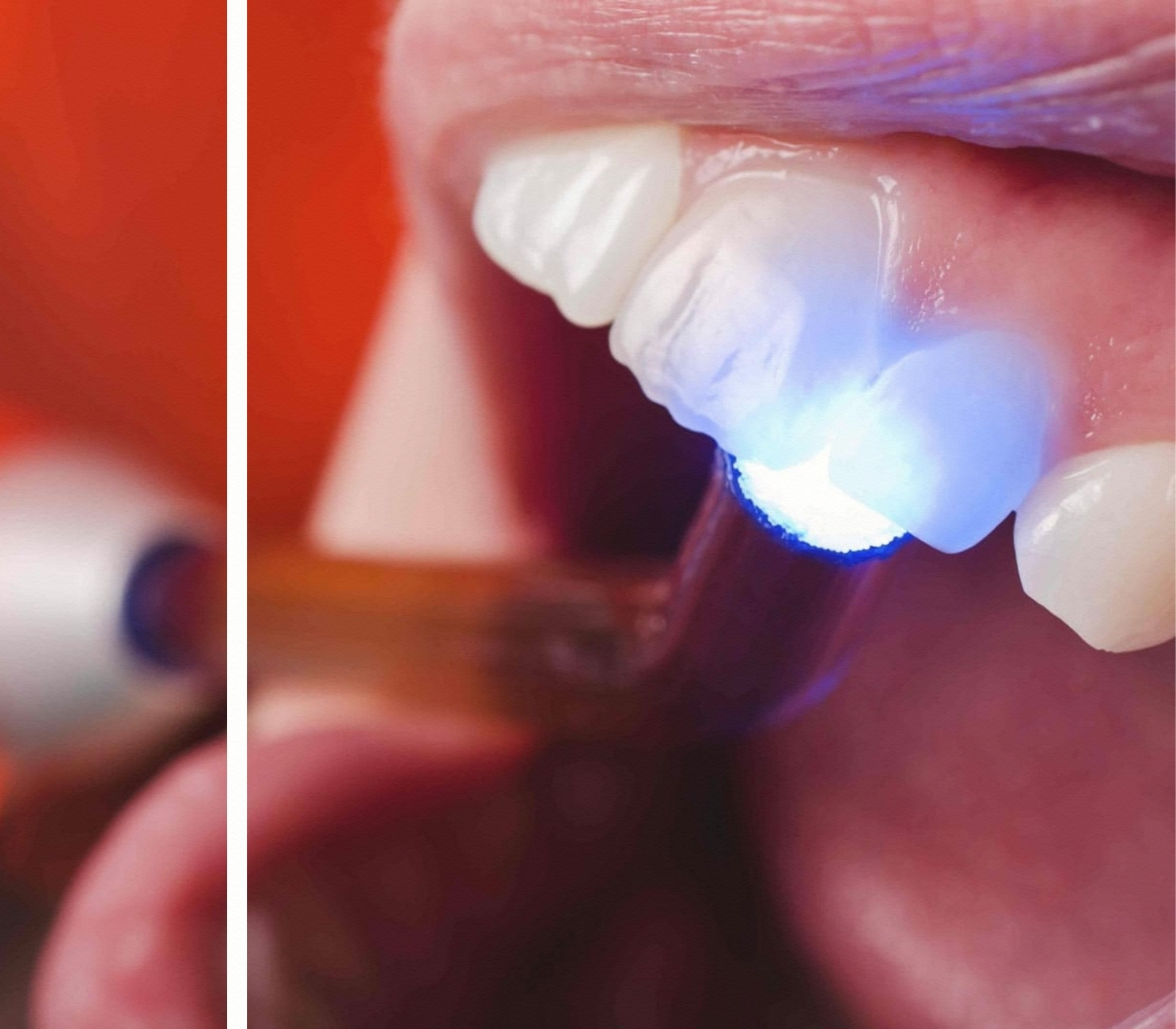
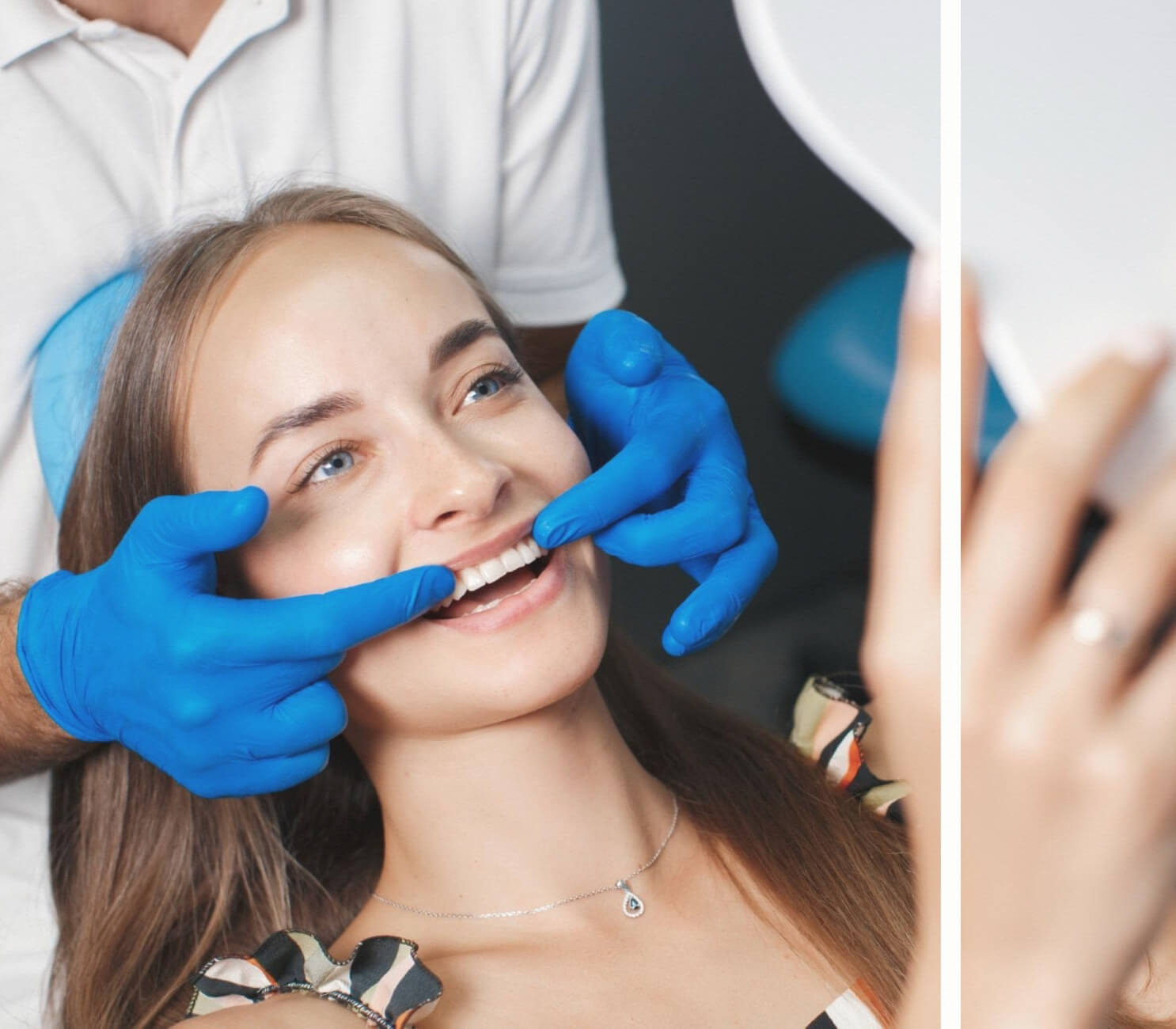
Plan the Result with a Detailed Aesthetic Evaluation
For a successful result in aesthetic filling treatment, simply filling the missing area is not enough. Tooth proportions, facial harmony, smile line, symmetry, and natural transitions must all be evaluated together. For this reason, the aesthetic analysis performed before treatment is of great importance for the naturalness of the result.
- The form and proportions of the teeth are evaluated.
- Gaps, fractures, or shape irregularities are analyzed.
- Shade selection is made with a natural appearance goal.
- The smile line and anterior aesthetics are planned together.
The Difference Between Bonding and a Standard Filling
Both use composite material, but their purposes and application approaches are different. A standard dental filling aims to clean decayed tissue and fill the cavity. Bonding, on the other hand, corrects shape, size, and color on healthy but aesthetically imperfect front teeth. The dentist’s artistic skill is much more decisive in bonding treatment; composite applied layer by layer to the tooth surface achieves an appearance and texture close to a natural tooth.
Bonding or Laminate?
Bonding and laminate veneers solve similar aesthetic problems but their approaches are different. Bonding is applied in a single session, directly on the tooth, and is more economical. Laminate involves thin porcelain shells prepared in a laboratory and bonded to the tooth; it is aesthetically superior, has longer-lasting color stability, but is more costly.
For minor corrections (small fracture, mild shape irregularity, gap on a single tooth), bonding is a suitable solution. If comprehensive aesthetic improvement is desired for multiple front teeth, laminate provides a more permanent and uniform result.
Smile Completion with Bonding After Orthodontics
After teeth are straightened with Invisalign or braces, small aesthetic details may remain in some patients: a tiny gap between teeth, one tooth being slightly shorter than another, or edge irregularities. These details are corrected in a single session with bonding, completing the smile.
Especially in diastema (gap teeth) treatment, Invisalign closes the gaps largely, and remaining minimal gaps are addressed with bonding. This combination achieves the best result with minimal intervention to the teeth.
Things to Keep in Mind After Bonding
Composite bonding is not as stain-resistant as porcelain laminate. Tea, coffee, smoking, and colored foods can cause discoloration on the composite surface over time. For this reason, teeth whitening before or simultaneously with bonding can be considered; this way, the composite shade is selected to match the natural tooth color and a more uniform result is achieved.
Bonding restorations can be used for 5-10 years and beyond without issues when maintained with regular check-ups, good oral hygiene, and avoiding biting hard foods with the front teeth.
Frequently Asked Questions
We have compiled the questions we receive about this treatment and answered them as openly and transparently as possible.
With the right shade selection and precise shaping, an appearance very close to a natural tooth can be achieved.
It is a treatment that can be used for a long time; however, its longevity may vary depending on oral care, habits, and bite relationship.
Color changes on the surface may occur over time. This varies depending on oral care and usage habits.
In most cases, it is applied comfortably. Depending on the scope of the procedure, the need for anesthesia is generally limited, but it is evaluated if needed.
In suitable cases, yes. It can be preferred especially for aesthetically correcting small to moderate gaps.
No. In some cases, laminate, orthodontic treatment, or different restorative options may be more suitable.
Our Dentists
Meet our expert dentists.



Content Information
This page was prepared by the Dore Medical Editorial Board and medically reviewed by Dr. Merve Özkan Akagündüz, DDS, MSc.